

 800-671-4304
Couples Rehab: Treatment, Detox & Recovery Programs for Couples

For your convenience, this article is available in an audio version below.
Addiction rarely affects just one person. When drugs or alcohol are part of a relationship, both partners often experience the consequences: emotionally, mentally and physically. Couples rehab is a specialized form of addiction treatment for couples recovering together while addressing the unique dynamics that substance use creates in relationships.
For many couples, addiction creates a cycle where substance use, conflict, guilt, and reconciliation repeat without resolution.
Couples rehab is designed to interrupt that cycle by treating addiction as both an individual health condition and a relationship issue that requires structured support.
This guide explains what couples rehab is, who it’s designed for, how couples rehab programs work and what to expect during treatment.
You’ll also learn about detox for couples, inpatient and outpatient options, insurance coverage and how to find couples rehab near you.
Wondering if IOP sober living is right for you? Call today.
 Sponsored
What Is Couples Rehab?
Couples rehab refers to addiction treatment programs where romantic partners receive care at the same time, within the same treatment center, using a structured approach that includes both individual and couples-based therapy.
These programs are designed to treat substance use disorders while also addressing relationship patterns that may contribute to addiction.
Partners typically participate in individual therapy, group therapy and couples therapy while following a recovery plan tailored to each person’s needs.
Couples rehab may also be called rehab for couples, couples drug rehab, or couples rehab centers, depending on the facility.
It’s also important to understand what couples rehab is not. Couples rehab is not a substitute for individual addiction treatment, and it is not relationship counseling alone.
Programs are led by licensed clinicians and medical professionals, with a primary focus on sobriety, safety and long-term recovery.
Not all couples rehab centers allow partners to live together, and not all rehabs accept couples, which makes finding the right program especially important.
Who Needs Couples Rehab? (And How Does Addiction Affect Relationships?)
Couples rehab can be beneficial for partners whose relationship has been impacted by substance use, especially when addiction patterns are intertwined.
Couples experiencing drug addiction often reinforce unhealthy behaviors, making it harder for either partner to recover alone.
Common signs that couples’ addiction treatment may be appropriate include:
- Using drugs or alcohol together regularly
- Codependency or enabling behaviors
- Frequent conflict, emotional volatility or mistrust
- Secrecy around substance use or finances
- Social isolation from friends or family
- Intimacy or connection only when substances are involved
- Failed attempts at recovery when one partner goes alone
Rehab for couples is often appropriate for married partners, long-term relationships or committed couples who want to pursue sobriety together while repairing trust and communication.
Addiction shifts relationship roles over time. One partner may become the caretaker or enforcer, while the other avoids responsibility.
In couples’ substance abuse treatment, these roles are identified and addressed so both partners can move toward healthier, more balanced dynamics.
In addition to shifting relationship roles, addiction can change the foundation of a relationship over time. Substance use often becomes a central organizing force in daily life, influencing communication, routines and emotional availability.
Couples may begin to avoid difficult conversations, rely on substance use to cope with conflict or feel emotionally disconnected, even when physically together.
Over time, this erosion of trust and intimacy can make it difficult to separate the relationship itself from the addiction.
Couples rehab helps address these intertwined issues by focusing not only on sobriety but also on repairing communication patterns, rebuilding trust and redefining the relationship without substance use at its core.
Call now to ask someone about couples rehab. Recovery is possible.
SponsoredCan Couples Go to Rehab Together?
Yes, couples can go to rehab together, but acceptance depends on clinical and safety criteria.
Rehabs that take couples typically require that both partners are motivated for treatment and that the relationship does not pose a risk to either person’s recovery.
Most rehabs that accept couples will screen for:
- Active domestic violence or abuse
- Severe, untreated mental health conditions
- One partner pressuring the other into treatment
- Vastly different clinical needs that require separate levels of care
Policies vary by facility, so it’s important to confirm whether a specific rehab allows couples and what their guidelines are before enrolling.
Some rehabs that take married couples or long-term partners may allow shared programming but still require separate housing or schedules.
This structure helps prevent emotional dependency while still supporting joint recovery goals.
How Couples Rehab Works
Couples rehab programs are structured to support both individual recovery and relationship healing. While details vary, most couples treatment centers follow a similar framework.
Assessment for Each Partner
Each partner completes a full clinical assessment, including substance use history, mental health screening, physical health needs and relationship dynamics.
In these types of treatment programs, care plans are individualized to ensure both partners receive appropriate support.
This step is critical because one partner may require medical detox, trauma-informed care or mental health support that differs from the other. Couples rehab does not mean incidental treatment; it means coordinated treatment.
Individual and Couples Therapy
Treatment typically includes a combination of:
- Individual therapy for personal recovery goals
- Couples therapy for communication, trust and accountability
- Evidence-based approaches such as behavioral couples therapy
- Group therapy with other individuals or couples
This combination allows partners to work on themselves while also learning healthier ways to support each other in recovery.
Couples therapy for addiction often focuses on rebuilding trust, setting boundaries and developing relapse-prevention strategies that account for shared triggers and environments.
Sample Daily Schedule for Inpatient Couples Rehab
A typical day in couples inpatient rehab may include:
- Morning group therapy or educational sessions
- Individual counseling or medical check-ins
- Couples therapy sessions
- Evening recovery activities or peer support
Schedules are structured and predictable, which helps reduce stress and emotional reactivity, which are two major relapse factors for couples.
Types of Couples Rehab Programs
Couples rehab is not one-size-fits-all. Programs differ based on substance use severity, medical needs and lifestyle considerations.
Detox for Couples
Detox for couples involves medically supervised withdrawal for both partners, either at the same facility or within the same treatment system. Couples detox centers focus on safety and stabilization before transitioning partners into ongoing treatment.
Detox for couples may offer emotional support, but medical monitoring is generally conducted separately for each partner.
Detox alone is not addiction treatment, and needs to be followed by inpatient or outpatient couples rehab.
Inpatient Couples Rehab
Inpatient rehab for couples provides 24/7 care in a residential setting. Partners typically have separate sleeping arrangements but participate in shared therapy sessions.
A couples inpatient rehab may be recommended when addiction is severe, long-standing or medically complex.
Inpatient drug rehab for couples offers structure, accountability and distance from everyday triggers.
This level of care is often ideal when both partners have experienced repeated relapses or when substance use has significantly disrupted daily functioning.
Outpatient and IOP for Couples
Outpatient couples rehab and intensive outpatient programs (IOP) allow partners to live at home while attending scheduled treatment sessions.
These options may work well for couples with stable living environments and strong external support.
Outpatient programs often emphasize relapse prevention, communication skills and long-term planning, making them suitable after completing inpatient treatment or for those with milder substance use disorders.
Benefits of Couples Rehab
Couples rehab offers several advantages compared to separate treatment experiences, including:
- Improved communication and conflict resolution
- Shared accountability and motivation
- Reduced relapse risk tied to relationship triggers
- Stronger emotional connection and trust
- Alignment with recovery goals and boundaries
Many recovery programs for couples focus on helping partners grow individually while learning how to support sobriety together.
Research suggests that couples who engage in structured addiction treatment together often show better relationship satisfaction and longer periods of abstinence when compared to untreated or unsupported relationships.
Curious about the benefits of couples rehab? Call now to get answers.
SponsoredWhen Couples Rehab May Not Be Appropriate
Even when both partners want to help, couples rehab may not be clinically appropriate if the relationship itself interferes with treatment progress.
In some cases, unresolved resentment, power imbalances or emotional dependency can make it difficult for either partner to focus on individual recovery.
Treatment providers may recommend separate programs when one partner consistently distracts, controls or destabilizes the other during therapy.
This approach is not a punishment or rejection of the relationship; rather, it is a clinical decision intended to give each person the space needed to stabilize, build coping skills and address underlying issues before engaging in joint therapeutic work later on.
Couples rehab is not suitable for every situation. Rehabs that accept couples may decline admission if certain risks are present.
Common disqualifying factors include:
- Domestic violence or coercive dynamics
- One partner is unwilling to pursue treatment
- Acute psychiatric instability
- One partner requires a higher level of medical care
In these cases, separate treatment may offer safer and more effective outcomes. In these cases, separate treatment may provide the best environment for recovery.
Couples Rehab Near Me
If you’re searching for couples rehab near you, the Detox.com treatment provider directory can help.
Many states offer programs designed to treat partners together but availability varies by region and not all facilities publicly advertise couples options, making research essential.
When searching for couples rehab centers near you, it’s important to confirm licensing, accreditation, insurance acceptance and whether couples programming is fully integrated or limited.
Couples Rehab by State
Exploring couples rehab options in your state can help you find the right fit for you and your partner.
Couples Rehab in California
Many treatment centers across California offer couples rehab programs.
One top center is the Ken Seeley Rehab Center in Palm Springs.

This residential addiction recovery center offers detox, dual diagnosis treatment, and outpatient services. They have a dedicated couples therapy program and offer specialized support for the LGBTQ+ community.
Couples Rehab in Florida
Looking for couples rehab in Florida?
The state has many options to choose from, including Renaissance Recovery in Lantana.
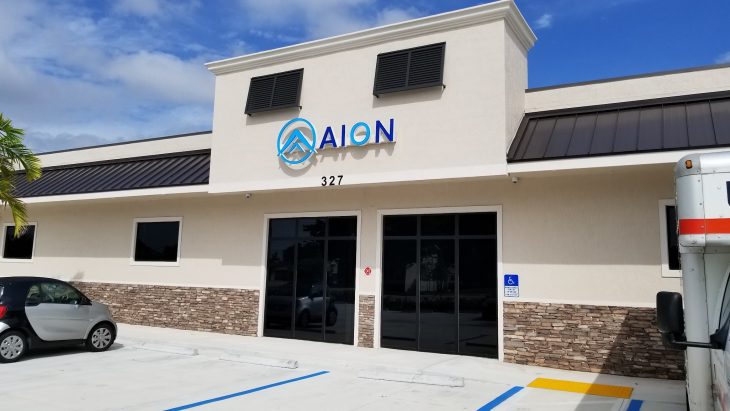
Formerly called Renaissance Recovery, this outpatient center offers couples therapy, along with group activities like hiking and surfing to help you plug into a local sober community.
Couples Rehab in Texas
Partners looking for couples rehab in Texas have a vast array of options to choose from.
One of the top centers in the Lone Star State is Olive Branch Family Therapy in Denton.
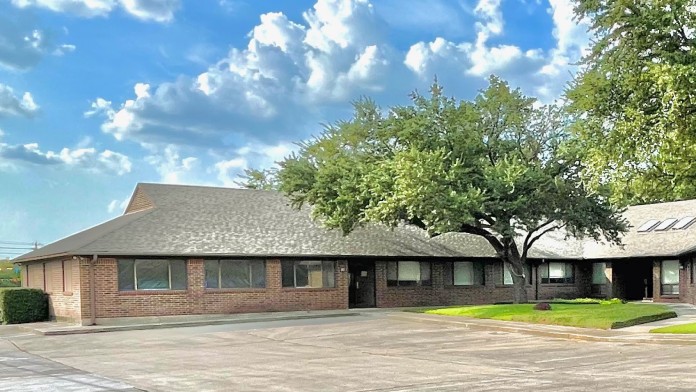
This outpatient center specializes in dual diagnosis care, supporting clients with co-occurring mental health and substance use disorders. Their specialties include family and couples counseling using a family systems approach.
Couples Rehab in Arizona
Across Arizona, you can find several recovery centers that offer couples rehab.
This includes the Terros Health Maverick House, which offers residential addiction treatment.
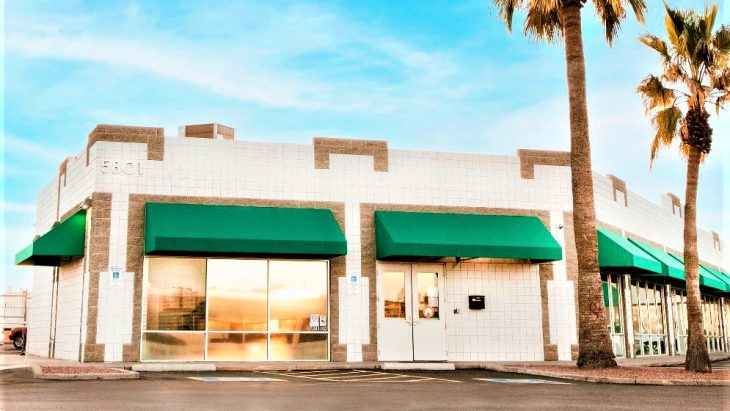
In addition to evidence-based counseling, they offer 12-step groups and medication-assisted treatment (MAT). They coordinate with the Department of Child Safety and Arizona Families FIRST to facilitate visitations for children.
Couples Rehab in Tennessee
There are several couples rehab programs across the state of Tennessee.
One of the best-known facilities is Centerstone Estill Springs in Estill Springs. They offer general and intensive outpatient services in person or online through their telehealth option.
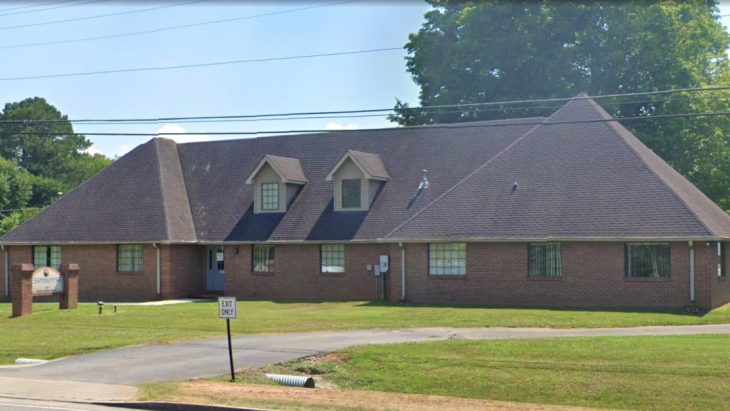
You can also participate in MAT services here, as well as crisis services, life skills training, and peer support programs.
Couples Rehab in New Jersey
There are several couples rehab programs available across New Jersey.
One of the main options is Sunrise Detox Cherry Hill in Cherry Hill.

In addition to detox services, they offer private and group therapy as well as family interventions and connections to 12-step meetings.
FAQs About Couples Rehab
Yes, there are rehab centers for couples that allow partners to receive treatment together. Availability depends on the facility, safety considerations and clinical needs.
Rehab for married couples is often available, provided both partners meet admission criteria. Many rehabs that take married couples offer structured couples therapy alongside individual care.
Some rehabs that allow couples may permit shared rooms, but many do not. Rehabs that accept couples usually prioritize treatment effectiveness over housing arrangements.
Detox for couples involves medically supervised withdrawal for both partners, often followed by inpatient or outpatient treatment. Couples detox centers focus on safety and stabilization.
Many programs accept insurance for couples rehab, including Medicaid in some cases. Coverage varies by plan and provider, so you may want to call the number on your Medicaid card to get more information. Free couples rehab or free couples inpatient rehab options may be limited.
How Do I Find the Best Couples Rehab Near Me?
To find the best couples rehab near you, look for licensed facilities that specifically offer couples programming, accept your insurance and match your needed level of care.
Using reputable treatment directories like Detox.com and speaking directly with admissions staff can help confirm whether a program is truly equipped to treat couples together. If you need help finding couples rehab, call 800-996-6135 to speak with someone about treatment options.
You don’t need to recover alone. Call now to get help.
Sponsored