800-262-4205
Andromeda Transcultural Health

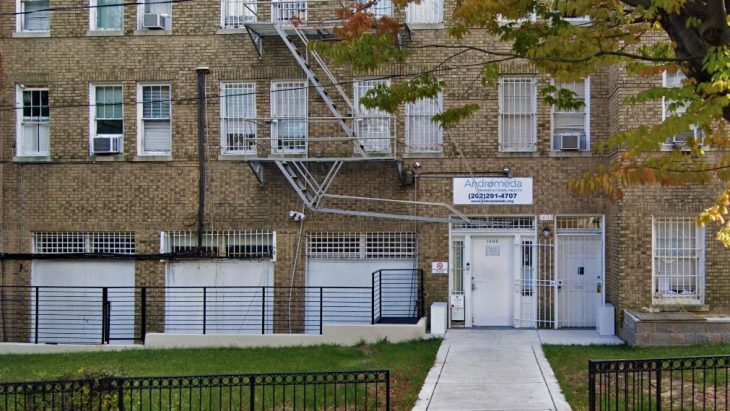
About Andromeda Transcultural Health
Andromeda Transcultural Health is a private nonprofit community health organization providing outpatient addiction treatment and mental health services, HIV/AIDS care and primary medical care in Washington, DC.
For over 40 years, they have served District residents with a focus on minorities and underserved populations, offering culturally accessible and linguistically sensitive care. Originally established to serve the Latino community, Andromeda continues to provide compassionate and integrated treatment that honors cultural diversity and meets patients where they are.
Opioid Addiction Treatment
Andromeda specializes in opioid addiction treatment including heroin, fentanyl and prescription painkiller dependence, with over 10 years of experience providing medication assisted treatment in the DC area.
Their MAT program utilizes buprenorphine and naloxone, naltrexone and other FDA approved medications alongside individual counseling, group therapy and family counseling.
Treatment incorporates evidence based approaches including cognitive behavioral therapy and motivational interviewing, contingency management and relapse prevention to address both immediate symptoms and underlying patterns.
Patients benefit from comprehensive wraparound support services such as housing assistance, job training and transportation subsidies, naloxone distribution and overdose education to support sustained recovery beyond clinical sessions.
Care for Diverse Communities
Andromeda offers a unique integrated care model that combines substance use treatment and mental health counseling, HIV/AIDS case management and primary medical care under one roof. They provide specialized programming for LGBTQ individuals, seniors and veterans, people living with HIV/AIDS and clients who have experienced trauma, sexual abuse or intimate partner violence.
Services in Washington, DC
Andromeda serves the Greater Washington Metropolitan area from their location on Decatur Street Northwest, with in person services available Monday through Friday, 9:00 AM to 5:00 PM.
They accept Medicare, Medicaid and military insurance, private health insurance and cash payments with sliding scale options and free services available for qualifying individuals.
| Levels of Care | Detox Service Setting | Programs | Payment Options | |||
|---|---|---|---|---|---|---|
|
In outpatient therapy, you’ll attend therapy sessions several times each week while living at home. This is ideal if you have a strong support system and a lower risk of relapse. Outpatient treatment offers flexibility to maintain work, school or family obligations. |
Aftercare programs provide ongoing support after you complete a rehab program. They may include several components to help you maintain sobriety including therapy, community support groups and relapse prevention strategies. This gives you a network of resources as you reintegrate into your daily life. |
Dual diagnosis programs address substance use disorders and co-occurring mental health conditions simultaneously. This integrated approach to care improves the likelihood of long term recovery and stability by addressing the root causes of addiction. |
||||
|
Outpatient detox gives you access to medically supervised withdrawal services while still allowing you to live at home. You’ll attend a clinic for treatment and monitoring. This flexible option is suitable for those with mild to moderate withdrawal symptoms who have strong support systems. |
||||||
|
Adult programs address the substance use and life challenges specific to adults. Therapists can deliver sessions in individual, group and family settings. Services often include job support and life skills training in a structured environment.
|
Alcohol detox programs offer medical support to help individuals withdraw safely from alcohol. Your care team may use medications to ease your symptoms and provide medical monitoring to address complications.
|
Cognitive behavioral therapy focuses on changing harmful thought patterns and behaviors associated with addiction. You’ll learn healthier coping mechanisms by identifying and replacing negative thoughts. This improves your emotional resilience and decreases your relapse potential.
|
Men's programs address substance use while also considering the social pressures, family roles and mental health concerns that are specific to men. You’ll learn healthy coping mechanisms as you build emotional resilience and develop communication skills.
|
Opioid detox uses medications to ease severe withdrawal symptoms. It also includes medical supervision to help you manage potential complications. These services allow you to stabilize and begin a recovery plan.
|
Women's programs offer a safe and supportive space to focus on gender specific issues such as trauma, family roles and mental health conditions. Therapists tailor the sessions to address women's needs and foster empowerment in a healing and nurturing environment.
|
Young adult programs are designed for individuals who are transitioning into adulthood. Topics of discussion typically include identity, independence and peer relationships. Providers may also offer life skills training and career support.
|
|
Payment Assistance
|
Medicaid
|
Medicare
|
Military Insurance
|
Private Insurance
|
Self Pay
|
Levels of Care
In outpatient therapy, you’ll attend therapy sessions several times each week while living at home. This is ideal if you have a strong support system and a lower risk of relapse. Outpatient treatment offers flexibility to maintain work, school or family obligations.
Aftercare programs provide ongoing support after you complete a rehab program. They may include several components to help you maintain sobriety including therapy, community support groups and relapse prevention strategies. This gives you a network of resources as you reintegrate into your daily life.
Dual diagnosis programs address substance use disorders and co-occurring mental health conditions simultaneously. This integrated approach to care improves the likelihood of long term recovery and stability by addressing the root causes of addiction.
Detox Service Setting
Outpatient detox gives you access to medically supervised withdrawal services while still allowing you to live at home. You’ll attend a clinic for treatment and monitoring. This flexible option is suitable for those with mild to moderate withdrawal symptoms who have strong support systems.
Programs
Accreditations

Contact


Natalie is a recent Purdue University graduate where she studied Psychology and Creative Writing. She’s a fierce advocate for others and is committed to always showing up with a compassionate heart. She enjoys writing poetry, dancing, and playing piano in her free time.
Detox.com regularly reviews this listing for accuracy but changes may occur between updates. For the most up-to-date information, please contact Andromeda Transcultural Health.