800-262-4205
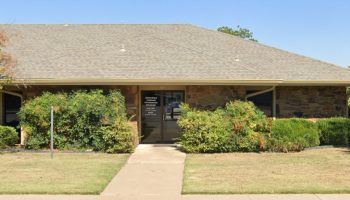
Rightway Medical Bartlesville
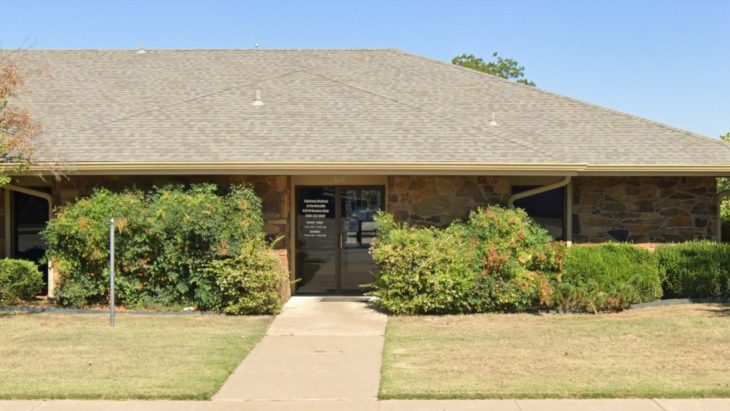
About Rightway Medical Bartlesville
Rightway Medical Bartlesville is one of several accredited clinics throughout Oklahoma. Operating in partnership with the Oklahoma State Department of Health, it provides addiction treatment and education services to inform the public and tackle the stigma around substance abuse and overdose.
Through this partnership, they’re also able to hand out free Narcan kits. Support here is provided to adults aged 18 and older, while Medicare, Medicaid and other major insurance plans are accepted.
A Client-Centered Outpatient Drug Rehab in Washington & Osage Counties
Care here is ideal for anyone seeking flexible outpatient support. While the primary offering is medication-assisted treatment (MAT), this is coupled with regular individual counseling sessions as part of a holistic approach to care that seeks to address the physical, mental and emotional aspects of addiction.
In these counseling sessions, clients can expect to receive valuable one-to-one support in achieving treatment goals, while also discussing their emotional wellbeing. MAT here primarily uses FDA-approved methadone and buprenorphine (Suboxone) to help clients manage uncomfortable physical withdrawal symptoms and cravings.
A Focus on Long-Term Recovery Success
Alongside individual counseling sessions, group support is also provided as part of a comprehensive approach to care. The team places a strong focus on long-term recovery maintenance and relapse prevention for sustained recovery success.
| Levels of Care | Detox Service Setting | Programs | Payment Options | ||||
|---|---|---|---|---|---|---|---|
|
In outpatient therapy, you’ll attend therapy sessions several times each week while living at home. This is ideal if you have a strong support system and a lower risk of relapse. Outpatient treatment offers flexibility to maintain work, school or family obligations. |
Sober living homes provide a supportive and substance free environment for you to live in as you overcome your addiction. Residents must follow house rules and support each other’s recovery journeys. Sober living fosters accountability and stability during this critical phase of recovery. |
||||||
|
Outpatient detox gives you access to medically supervised withdrawal services while still allowing you to live at home. You’ll attend a clinic for treatment and monitoring. This flexible option is suitable for those with mild to moderate withdrawal symptoms who have strong support systems. |
|||||||
|
Adult programs address the substance use and life challenges specific to adults. Therapists can deliver sessions in individual, group and family settings. Services often include job support and life skills training in a structured environment.
|
Alcohol detox programs offer medical support to help individuals withdraw safely from alcohol. Your care team may use medications to ease your symptoms and provide medical monitoring to address complications.
|
Cognitive behavioral therapy focuses on changing harmful thought patterns and behaviors associated with addiction. You’ll learn healthier coping mechanisms by identifying and replacing negative thoughts. This improves your emotional resilience and decreases your relapse potential.
|
Drug detox programs support individuals who are withdrawing from addictive substances like cocaine and heroin. Medical support helps you manage symptoms in a controlled and safe environment so you can achieve initial sobriety.
|
Men's programs address substance use while also considering the social pressures, family roles and mental health concerns that are specific to men. You’ll learn healthy coping mechanisms as you build emotional resilience and develop communication skills.
|
Opioid detox uses medications to ease severe withdrawal symptoms. It also includes medical supervision to help you manage potential complications. These services allow you to stabilize and begin a recovery plan.
|
Women's programs offer a safe and supportive space to focus on gender specific issues such as trauma, family roles and mental health conditions. Therapists tailor the sessions to address women's needs and foster empowerment in a healing and nurturing environment.
|
Young adult programs are designed for individuals who are transitioning into adulthood. Topics of discussion typically include identity, independence and peer relationships. Providers may also offer life skills training and career support.
|
|
Medicaid
|
Medicare
|
Self Pay
|
Levels of Care
In outpatient therapy, you’ll attend therapy sessions several times each week while living at home. This is ideal if you have a strong support system and a lower risk of relapse. Outpatient treatment offers flexibility to maintain work, school or family obligations.
Sober living homes provide a supportive and substance free environment for you to live in as you overcome your addiction. Residents must follow house rules and support each other’s recovery journeys. Sober living fosters accountability and stability during this critical phase of recovery.
Detox Service Setting
Outpatient detox gives you access to medically supervised withdrawal services while still allowing you to live at home. You’ll attend a clinic for treatment and monitoring. This flexible option is suitable for those with mild to moderate withdrawal symptoms who have strong support systems.
Programs
Accreditations

Contact



Lauren wears many hats, and works as a holistic deep tissue massage therapist, content strategist, and copywriter. She’s been writing copy and dreaming up content for a number of brands for almost 10 years, having worked with a mixture of B2B and B2C brand. Some of her more notable clients include adidas, Gucci, Pepsi, and Hotels.com. A skilled editor and copywriter, she also enjoys planning content for social media and brand marketing campaigns.

Gayle Morris, BSN, MSN, received her bachelor’s from the University of Illinois Chicago Medical Center and her first master’s from the Indiana University Purdue University Indianapolis. She practiced nursing for over two decades with a focus on pediatric physical rehabilitation, which required mental health skills to help children, and their parents work through new challenges after a head injury or spinal cord injury. She has been a freelance writer in health, wellness, and mental health for over 15 years. She loves exercise, her dogs and guinea pigs, and gardening.
Detox.com regularly reviews this listing for accuracy but changes may occur between updates. For the most up-to-date information, please contact Rightway Medical Bartlesville.