800-262-4205
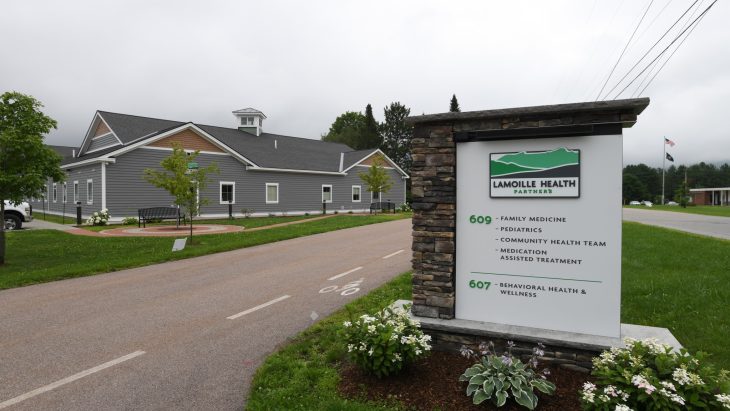
Lamoille Health Behavioral Health and Wellness Center

About Lamoille Health Behavioral Health and Wellness Center
Lamoille Health Behavioral Health and Wellness Center is an outpatient substance use and mental health treatment provider in Morrisville, Vermont, and part of Lamoille County’s only federally qualified health center.
The program offers counseling, psychiatric services and medication assisted treatment for children, adolescents, adults, couples and families.
As an integrated health center, it coordinates behavioral health, substance-use care and primary care under one organization.
Detox and Addiction Treatment with Lamoille Health
The center provides regular outpatient treatment for substance-use disorders and co-occurring mental health conditions, including individual, group, family and couples counseling.
Services include comprehensive assessments, drug and alcohol screening, discharge planning and continuing care.
A dedicated medication assisted treatment program uses medications such as Suboxone alongside counseling and care coordination for opioid use disorder.
Lamoille Health serves children, adolescents, young adults, adults, older adults, couples and families managing substance use and mental health concerns like PTSD, anxiety, depression, bipolar disorder and trauma.
Pregnant women are prioritized for rapid referral. Interpretation and language support, including Spanish and sign-language services, are available.
Location and Center Details
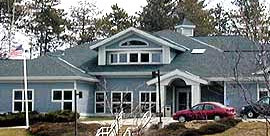
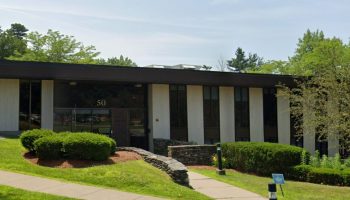
The program operates from two Morrisville sites on Washington Highway and Morrisville Plaza.
Services run Monday through Friday, and telehealth is available through the psychiatric team.
Accepted payment sources include Medicaid, Medicare, TRICARE, private insurance and government funding.
A sliding-fee scale based on income and financial assistance information are also available.
| Levels of Care | Detox Service Setting | Programs | Payment Options | ||||
|---|---|---|---|---|---|---|---|
|
In outpatient therapy, you’ll attend therapy sessions several times each week while living at home. This is ideal if you have a strong support system and a lower risk of relapse. Outpatient treatment offers flexibility to maintain work, school or family obligations. |
Dual diagnosis programs address substance use disorders and co-occurring mental health conditions simultaneously. This integrated approach to care improves the likelihood of long term recovery and stability by addressing the root causes of addiction. |
||||||
|
Outpatient detox gives you access to medically supervised withdrawal services while still allowing you to live at home. You’ll attend a clinic for treatment and monitoring. This flexible option is suitable for those with mild to moderate withdrawal symptoms who have strong support systems. |
|||||||
|
Adult programs address the substance use and life challenges specific to adults. Therapists can deliver sessions in individual, group and family settings. Services often include job support and life skills training in a structured environment.
|
Alcohol detox programs offer medical support to help individuals withdraw safely from alcohol. Your care team may use medications to ease your symptoms and provide medical monitoring to address complications.
|
Cognitive behavioral therapy focuses on changing harmful thought patterns and behaviors associated with addiction. You’ll learn healthier coping mechanisms by identifying and replacing negative thoughts. This improves your emotional resilience and decreases your relapse potential.
|
LGBTQ friendly programs create an inclusive and affirming space for recovery. Treatment is sensitive to issues like discrimination and stigma. You’ll receive support and therapy that respects and acknowledges your unique experiences.
|
Military and veteran programs offer specialized support for clients who served in the armed services. Programs focus on reintegration and healing within a structured and supportive environment that acknowledges the unique struggles of military life.
|
Opioid detox uses medications to ease severe withdrawal symptoms. It also includes medical supervision to help you manage potential complications. These services allow you to stabilize and begin a recovery plan.
|
Senior programs address the unique needs of older adults like chronic pain, grief and isolation. Programs include peer support and medical oversight for age related health concerns. The goal is to improve quality of life and promote sober aging.
|
Young adult programs are designed for individuals who are transitioning into adulthood. Topics of discussion typically include identity, independence and peer relationships. Providers may also offer life skills training and career support.
|
|
Medicaid
|
Medicare
|
Private Insurance
|
Self Pay
|
Levels of Care
In outpatient therapy, you’ll attend therapy sessions several times each week while living at home. This is ideal if you have a strong support system and a lower risk of relapse. Outpatient treatment offers flexibility to maintain work, school or family obligations.
Dual diagnosis programs address substance use disorders and co-occurring mental health conditions simultaneously. This integrated approach to care improves the likelihood of long term recovery and stability by addressing the root causes of addiction.
Detox Service Setting
Outpatient detox gives you access to medically supervised withdrawal services while still allowing you to live at home. You’ll attend a clinic for treatment and monitoring. This flexible option is suitable for those with mild to moderate withdrawal symptoms who have strong support systems.
Programs
Contact



Maygen Brockway, MTC, lives in scenic Southern Utah and has over 10 years of editing and writing experience. She’s created content for the medical, wedding, fashion, and technical industries. She loves poetry and coffee, writing, and being a social butterfly and a mom.
Detox.com regularly reviews this listing for accuracy but changes may occur between updates. For the most up-to-date information, please contact Lamoille Health Behavioral Health and Wellness Center.