Find Drug & Alcohol Detox Centers in Tulsa, OK

Search Tulsa detox centers. There are 13 inpatient detox, 18 outpatient, and 4 medication assisted detox centers in Tulsa. Explore treatment options for alcohol, opiate, or prescription drug addiction and begin healing today.

Detox Centers in Tulsa

15 Results
Filters
Setting
Medications Offered
Treatment
Programs
Payment Options
Name Address Detox Service Setting Levels Of Care Media

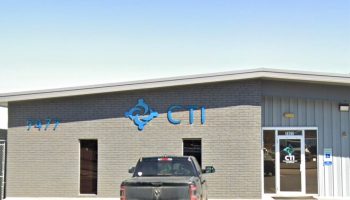
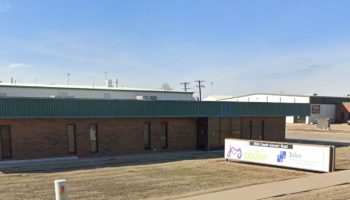
Center for Therapeutic Interventions

7477 East 46th Place Tulsa, OK 74145
Detox Service Setting
Outpatient Detox
Levels Of Care
OutpatientAftercareDual Diagnosis+1
Center for Therapeutic Interventions

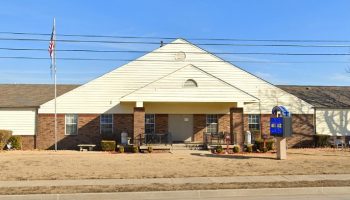
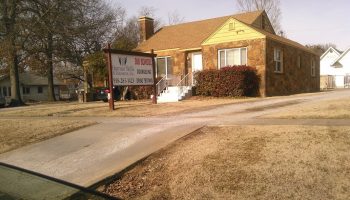
H.O.W Foundation

5649 S Garnett Rd Tulsa, OK 74146
Detox Service Setting
Inpatient DetoxOutpatient Detox
Levels Of Care
InpatientOutpatient
H.O.W Foundation

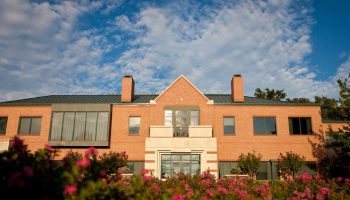
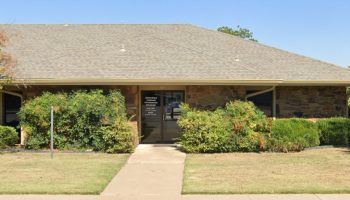
Laureate Psychiatric Clinic and Hospital

6655 South Yale Avenue Tulsa, OK 74136
Detox Service Setting
Inpatient DetoxOutpatient Detox
Levels Of Care
InpatientOutpatientAftercare+2
Laureate Psychiatric Clinic and Hospital

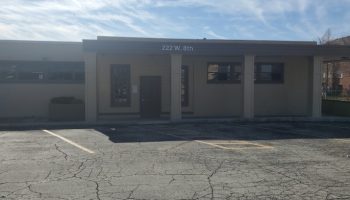
Palmer Continuum of Care

222 W 8th St Tulsa, OK 74119
Detox Service Setting
Inpatient DetoxOutpatient Detox
Levels Of Care
InpatientOutpatient
Palmer Continuum of Care

Tulsa Comprehensive Treatment Center

5550 South Garnett Tulsa, OK 74146
Detox Service Setting
Outpatient Detox
Levels Of Care
OutpatientDual Diagnosis
Tulsa Comprehensive Treatment Center

Choices Tulsa

9750 E 31st Tulsa, OK 74146
Detox Service Setting
Inpatient DetoxOutpatient Detox
Levels Of Care
InpatientOutpatient

Eastern Oklahoma VA Health Care System – Tulsa BMC

10159 East 11th Street Tulsa, OK 74128
Detox Service Setting
Inpatient DetoxOutpatient DetoxMAT
Levels Of Care
InpatientOutpatientAftercare

GRAND Addiction Recovery Center

6333 East Skelly Drive Tulsa, OK 74135
Detox Service Setting
Inpatient DetoxOutpatient DetoxMAT
Levels Of Care
InpatientOutpatientAftercare+3

Human Skills & Resources

2140 South Harvard Avenue Tulsa, OK 74114
Detox Service Setting
Outpatient DetoxMAT
Levels Of Care
Outpatient

Oxford House Stride

5804 E 18th St Tulsa, OK 74112
Detox Service Setting
Inpatient DetoxOutpatient Detox
Levels Of Care
InpatientOutpatient

Parkside Psychiatric Hospital & Clinic

1239 South Trenton Avenue Tulsa, OK 74120
Detox Service Setting
Hospital DetoxInpatient DetoxOutpatient Detox
Levels Of Care
InpatientOutpatient

Tulsa Rightway Medical

3445 South Sheridan Road Tulsa, OK 74145
Detox Service Setting
Outpatient Detox
Levels Of Care
OutpatientDual Diagnosis

Human Skills and Resources

408 East Will Rogers Boulevard Claremore, OK 74017
Detox Service Setting
Outpatient Detox
Levels Of Care
Outpatient
Human Skills and Resources

Rightway Medical Bartlesville

610 West Hensley Boulevard Bartlesville, OK 74003
Detox Service Setting
Outpatient Detox
Levels Of Care
OutpatientSober Living
Rightway Medical Bartlesville

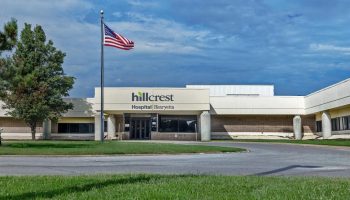
Hillcrest Hospital Henryetta

2401 West Main Street Henryetta, OK 74437
Detox Service Setting
Inpatient Detox
Levels Of Care
Inpatient
Hillcrest Hospital Henryetta

Drug & Alcohol Detox in Tulsa, OK

Tulsa sits at the center of Oklahoma’s most active effort to address a deepening substance use crisis. It is estimated that 100,000 Tulsa County residents have a substance use disorder. Unfortunately, roughly 77% of those who need treatment do not receive it, according to a 2025 assessment by the Healthy Minds Policy Initiative.

The city’s treatment system is responding to two interrelated trends: the rise of fentanyl in the local drug supply and a growing pattern of co-use with methamphetamine. In 2023, Healthy Minds Policy Initiative launched the Zero Overdose community initiative in Tulsa, a citywide partnership modeled on national suicide prevention frameworks that convenes local providers, first responders, and public health agencies around shared data and coordinated outreach.

In 2024, the City of Tulsa and Tulsa Public Schools jointly received the largest single grant from Oklahoma’s first-round opioid abatement settlement disbursement, totaling $700,000, with an additional $600,000 awarded directly to Tulsa County for evidence-based treatment and prevention programs.

A critical geographic consideration shapes how Tulsa’s treatment network operates. In fact, the Healthy Minds’ 2025 assessment found that most safety-net providers are concentrated away from the county’s highest-need areas, particularly North and East Tulsa, as well as Sand Springs, where social vulnerability is high and vehicle access is limited.

Drug and alcohol detox facilities in the city operate under primary state oversight from the Oklahoma Department of Mental Health and Substance Abuse Services (ODMHSAS), which certifies all substance use disorder programs under Title 43A of the Oklahoma Statutes.

Any residential and medical detox providers seeking SoonerCare reimbursement must also hold national accreditation from The Joint Commission, CARF or the Council on Accreditation, as required by the Oklahoma Health Care Authority (OHCA).
Find The Perfect Detox Center For You

Filter treatment centers in Tulsa by level of care offered to find the best detox program for you or a loved one.

Paying for Detox in Tulsa

Understanding the cost of drug and alcohol detox in Tulsa is a practical first step toward getting care. Fortunately, Oklahoma consistently ranks among the most affordable states for substance use disorder treatment, and both public and private funding pathways are available for people at every income level.

How Much Does Detox Cost in Tulsa?

Costs in Tulsa vary based on the level of medical supervision required, the substance or substances involved and whether treatment takes place in a hospital, residential facility or outpatient setting. Additionally, the length of stay, medication requirements and medical complexity all affect the final cost.

Many people reduce or eliminate out-of-pocket expenses through SoonerCare, private insurance, or publicly funded programs.

$134k
Medical Detox
$48k
Inpatient Rehab
$8k
Outpatient Rehab
$5k to $7k
Methadone Treatment

Does Private Insurance Cover Detox in Tulsa?

Private insurers in Oklahoma must comply with the Affordable Care Act’s mental health parity requirements, meaning coverage for substance use disorder treatment must be comparable to coverage for other medical conditions. The Oklahoma Insurance Department oversees insurer compliance statewide.

The most common commercial health insurance providers in Tulsa include:

Blue Cross Blue Shield
United Health Care
Aetna
Cigna
Ambetter
Community Care

Medicare and Medicaid in Tulsa

Medicare

Medicare covers inpatient and outpatient detox and withdrawal management services in Tulsa. Under Part B, the OTP benefit covers methadone and buprenorphine dispensing at certified opioid treatment programs. Individuals on Medicare should keep in mind that copays and deductibles vary by treatment setting, plan type and services received.

Medicaid

SoonerCare covers medically necessary detox, outpatient substance use disorder treatment, partial hospitalization, intensive outpatient programs and MAT, including methadone at certified opioid treatment programs.

Oklahoma expanded Medicaid in July 2021 through a voter initiative, extending eligibility to most low-income adults regardless of disability or dependent status. Since April 2024, many SoonerCare members have accessed benefits through managed SoonerSelect health plans.

Prior authorization is commonly required for inpatient and residential levels of care, so confirming your plan’s requirements before admission can help to prevent delays.

Other Ways to Pay for Detox Treatment

Do not let cost prevent you or someone you care about from seeking detox in Tulsa. Several programs offer financial assistance or fully subsidized care:

Sliding Scale Payment Systems: 

GRAND Mental Health and Family and Children’s Services are both Certified Community Behavioral Health Clinics (CCBHCs) in Tulsa that set fees on a sliding scale based on income. People without insurance or with limited income can access outpatient and clinical services at significantly reduced rates.

Nonprofits and Free Programs: 

The H.O.W. Foundation in Tulsa County offers a free, six-month residential recovery program for men funded through private donations. Resonance, a CARF-accredited nonprofit, provides free and subsidized residential services for women with substance use disorders and is certified by ODMHSAS.

Local Government and Settlement Grants: 

Tulsa County announced $4.5 million in opioid settlement grant awards in 2025, directing funds toward naloxone distribution, youth prevention, reentry services and first-responder coordination. Calling 211 Oklahoma connects Tulsa residents to available public treatment resources, navigator services and funding assistance at no cost.

Native American Tribal Resources: 

The Indian Health Care Resource Center (IHCRC), a nonprofit at 550 South Peoria Avenue in Tulsa, provides free health and behavioral health services to Native American community members, including substance use treatment, pharmacy services and referrals for detox.

Veterans Programs: 

The Tulsa VA Outpatient Clinic, part of the Jack C. Montgomery VA healthcare system, provides no-cost substance use disorder treatment and MAT to eligible veterans, including injectable naltrexone and opioid treatment support. Active-duty military and veterans with TRICARE coverage can also access treatment at many Tulsa facilities that accept TRICARE.

Tulsa, Oklahoma Regulations and Accreditation for Detox

Drug and alcohol detox facilities in Tulsa operate within a multi-layer oversight structure covering state certification, Medicaid billing standards and federal control over opioid treatment medications.

All providers must obtain ODMHSAS certification under Title 43A before offering services, and residential or medical detox facilities seeking SoonerCare reimbursement must also hold national accreditation and receive a Certificate of Need from ODMHSAS.

Oklahoma Department of Mental Health and Substance Abuse Services (ODMHSAS)

ODMHSAS is the primary state authority that licenses and certifies all substance use disorder treatment programs in Oklahoma, including outpatient, residential and medical detox providers. Under OAC 450:18 and Title 43A, nearly all facilities providing detox, rehabilitation or therapy for substance-related disorders must hold active ODMHSAS certification.

Residential and medical detox programs applying for SoonerCare reimbursement must also obtain a Certificate of Need from ODMHSAS and meet national accreditation requirements.

Oklahoma Health Care Authority (OHCA)

OHCA administers the SoonerCare program and sets billing standards, medical necessity criteria and accreditation requirements under Title 317 for publicly funded SUD treatment. OHCA regulations define staffing ratios and documentation standards for residential detox, partial hospitalization, intensive outpatient and MAT programs.

Since April 2024, many SoonerCare members have received benefits through SoonerSelect managed care plans, which manage prior authorization for inpatient and residential levels of care.

SAMHSA and the Drug Enforcement Administration (DEA)

Federal agencies govern Tulsa facilities that dispense methadone for opioid use disorder. Certified opioid treatment programs must maintain SAMHSA certification under 42 CFR Part 8 and comply with DEA Schedule II dispensing regulations.

Following federal rule changes in 2023, any licensed prescriber with a standard DEA registration can also prescribe buprenorphine for OUD in office-based settings, significantly expanding access points in Tulsa.

Website: samhsa.gov

Key MAT Medications and Regulatory Status in Tulsa

MAT in Tulsa is governed by both ODMHSAS state standards and federal SAMHSA and DEA requirements. Counseling and behavioral therapy are expected components of care alongside any prescribed medication.

Buprenorphine: 

Widely accessible in Tulsa through outpatient clinics and telehealth. The federal X-waiver requirement was eliminated in 2023, meaning any licensed prescriber with a standard DEA registration can prescribe buprenorphine for opioid use disorder. This change expanded the number of Tulsa providers who can initiate treatment, including remote prescribers. SoonerCare covers buprenorphine-based MAT when medically necessary.

Methadone: 

Dispensing for opioid use disorder remains restricted to federally certified opioid treatment programs (OTPs). In Tulsa, certified OTPs require initial daily clinic attendance for dosing, with take-home privileges available as treatment stabilizes. SoonerCare covers methadone treatment through certified OTPs, and several ODMHSAS-certified OTPs operate in the Tulsa metro area.

Naltrexone: 

No special licensing is required to prescribe naltrexone, making it the most accessokimready.org/overdoseible MAT option from a regulatory standpoint. The injectable form, Vivitrol, is widely used in Tulsa for both opioid and alcohol use disorders and is covered by SoonerCare. Because naltrexone carries no abuse potential, it is also commonly used in court-mandated and diversion program settings.

Overdose Prevention and Harm Reduction in Tulsa

Tulsa has one of the most active harm reduction networks in Oklahoma, supported by a combination of nonprofit organizations, state health resources and clinical providers.

The high prevalence of fentanyl in the local drug supply, including its presence in the methamphetamine supply, has made overdose prevention resources a frontline priority for multiple Tulsa organizations.

Oklahoma Harm Reduction Alliance (OKHRA)

Free naloxone and fentanyl test strips mailed to anyone who requests them statewide Sterile syringe distribution Deliveries to bars and venues across the Tulsa area Safe syringe take-back events Permanent disposal containers in Tulsa and Sapulpa

OKHRA was co-founded by a Tulsa-based advocate who helped pass SB 511, Oklahoma’s 2021 harm reduction law legalizing registered syringe service programs.

The organization distributes naloxone and fentanyl test strips to approximately a dozen Tulsa-area bars and public venues and ships supplies statewide through its mail-order program at no cost to recipients.

H.O.P.E. Testing Clinic

Free and low-cost HIV and Hepatitis C testing Harm reduction vending machine: naloxone, sterile syringes, HIV self-tests Fentanyl test strips and wound care kits Anonymous, low-barrier access without appointment required Referrals to substance use treatment

HOPE launched one of Oklahoma’s first harm reduction vending machines in 2022 following the passage of SB 511. The machine serves approximately 1,300 participants and provides 24-hour anonymous access to overdose prevention supplies.

Staff offer testing and referrals to substance use treatment for participants who want them.

GRAND Mental Health Outreach (GRAND Outreach)

Street outreach and mobile harm reduction Narcan and fentanyl test strip distribution HIV and Hepatitis C testing and referrals Placement into medical detox, outpatient, and sober living programs 24/7 phoneline: 539-242-6078

GRAND Outreach provides mobile harm reduction services across Tulsa County and operates a 24/7 phone line connecting individuals to naloxone, fentanyl test strips and immediate treatment placements.

GRAND’s Addiction Recovery Center on its Tulsa campus includes a walk-in Urgent Recovery Center designed specifically for substance use crises, with no scheduled intake required.

Family and Children's Services

Community naloxone distribution boxes at multiple Tulsa locations Outpatient substance use disorder treatment and medication management 24/7 crisis response for all ages in Tulsa County Connections to recovery housing and employment support

Family and Children’s Services is a CCBHC that distributes naloxone through fixed community distribution boxes placed around Tulsa.

The organization provides 24/7 rapid crisis response for Tulsa County residents experiencing mental health or substance use emergencies, including those related to overdose and connects individuals to a full range of outpatient treatment options.

Detox Statistics in Tulsa, Oklahoma

Tulsa County carries one of the heaviest substance use burdens in Oklahoma, with recent data documenting a significant treatment access gap and ongoing overdose mortality.

100,000 Residents with a Substance Use Disorder: 

An estimated 100,000 Tulsa County residents have a substance use disorder, yet approximately 77% of those who need substance use treatment do not receive it.

Fentanyl Involved in 86% of Oklahoma Opioid Deaths in 2024: 

Statewide, fentanyl was detected in 86% of all opioid-related overdose deaths in Oklahoma in 2024, compared to a rate of roughly 10 to 20% annually before 2020.

More Than Half of 2024 Tulsa County Overdose Deaths Involved Multiple Drugs: 

Over half of all fatal overdose deaths in Tulsa County in 2024 involved more than one substance, driven largely by the co-use of opioids and stimulants such as methamphetamine.

FAQs About Detox in Tulsa, OK

What is the fastest way to access detox in Tulsa without insurance?

Contact GRAND Mental Health’s 24/7 outreach line at 539-242-6078 or call 211 Oklahoma to be connected to state-funded and sliding-scale programs.

GRAND’s Addiction Recovery Center on its Tulsa campus accepts walk-in admissions through its Urgent Recovery Center, offering same-day access to stabilization and treatment placement without requiring a scheduled intake appointment.

Does Tulsa have detox options for people with co-occurring mental health conditions?

Yes. Several ODMHSAS-certified facilities in Tulsa offer dual diagnosis treatment for people experiencing both a substance use disorder and a mental health condition.

GRAND Mental Health and Family and Children’s Services, both CCBHCs, are equipped to evaluate and treat co-occurring disorders and accept SoonerCare. A clinical assessment at intake will determine the appropriate level of care.

Are there specific resources in Tulsa for Native American residents seeking detox?

Yes. The Indian Health Care Resource Center (IHCRC) at 550 South Peoria Avenue in Tulsa provides free health and behavioral health services to Native American community members, including substance use treatment and referrals for detox.

The Cherokee Nation Harm Reduction Program also operates a mobile distribution service for the broader northeastern Oklahoma region.

How does SoonerCare prior authorization work for detox in Tulsa?

Prior authorization is commonly required for inpatient and residential detox. Since April 2024, many members have received benefits through SoonerSelect managed care plans, so the authorization process runs through your assigned plan.

Bring proof of identity, Oklahoma residency, and your member ID card to your intake appointment. SoonerCare also covers non-emergency transportation through the SoonerRide program at no cost to members who need help getting to treatment appointments.

What should I know about seeking detox if I have been using methamphetamine and opioids together?

Co-use of methamphetamine and opioids is one of the most common patterns in Tulsa County overdose deaths, and fentanyl is frequently found in the methamphetamine supply without the user’s knowledge.

Detox from polysubstance dependence is more medically complex than detox from a single substance, and the withdrawal picture can change quickly. Medical supervision throughout withdrawal is strongly recommended for anyone using both substances.

Facilities in Tulsa familiar with managing this combination include GRAND Mental Health’s Addiction Recovery Center and Family and Children’s Services.

Is naloxone available without a prescription in Tulsa?

Yes. Oklahoma law allows pharmacies to dispense naloxone without an individual prescription, and several Tulsa pharmacies carry it over the counter.

Free naloxone is also available by mail from the Oklahoma Harm Reduction Alliance at okimready.org/overdose, through GRAND Outreach’s 24/7 phoneline and through community distribution boxes maintained by Family and Children’s Services at locations across the city.

Two people talking
Get Help Today!
If you or a loved one is in need of help, call today. Pick up the phone and get the help you need.
800-483-2193
Confidential. Available 24 Hours
Get Help Today Phone icon 800-779-4314