

 800-262-4205
Chase Brexton Health Care – Glen Burnie Center

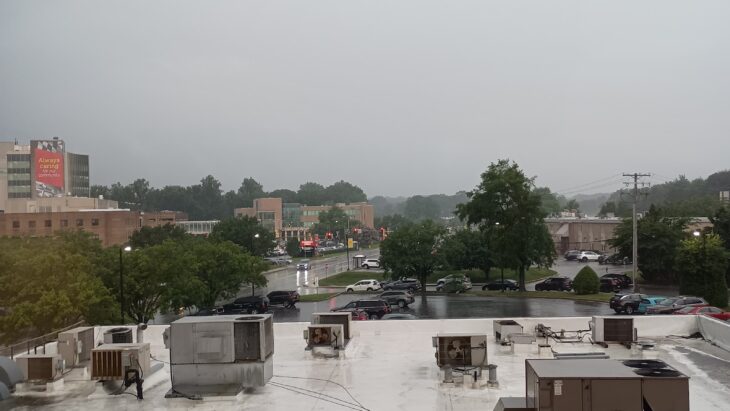
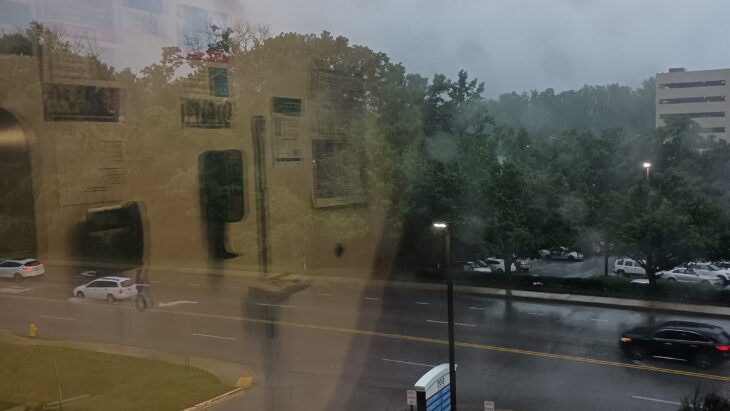
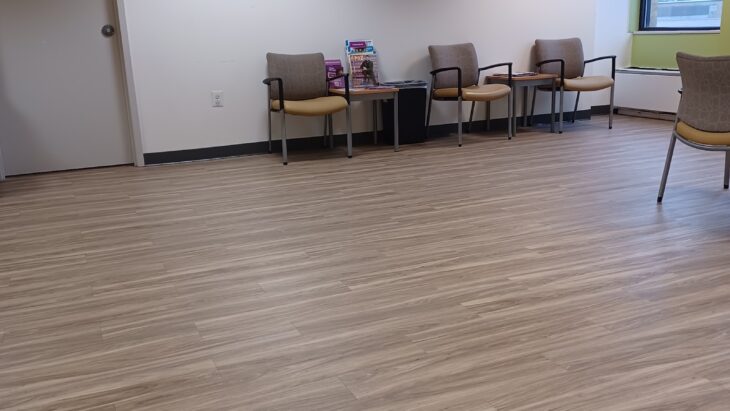
About Chase Brexton Health Care – Glen Burnie Center
Chase Brexton Healthcare Glen Burnie is an office based drug and alcohol rehab for adults in Glen Burnie, Maryland. The city is known as the Chrome City because of all the car dealerships and auto repair shops. They even have their own 34 foot crash test dummy to remind everyone to buckle up. Getting to the point of admitting you need help with addictive behaviors is even better for you than remembering your safety belt.
Here, you’ll get addiction medications. If you’re facing an opioid addiction, they’ll use medicines such as buprenorphine or naltrexone. For alcohol addictions, they typically use naltrexone or acamprosate. You’ll find they ease your withdrawal symptoms and minimize cravings.
These medications can help reduce your risk of overdosing. Any patient receiving primary care at Chase Brexton can get substance use disorder medication.
They can either give you medications to start your recovery journey, or they can manage those that you’re already on. You won’t have to face recovery alone as you’ll be assigned a certified Peer Recovery Specialist. They’ll go through the process with you and help you with their experiences and training.
What I like about them is their three-phase approach to recovery. Throughout the process, you’ll have solo counseling sessions and group therapy. The focus changes slightly as you move between the phases.
An important part of recovery is finding new sober activities that you enjoy. In Glen Burnie, you can try the Glow in the Dark Splatter Paint Experience, or take to the water for boat tours and cruises.
| Levels of Care | Detox Service Setting | Programs | Payment Options | ||||
|---|---|---|---|---|---|---|---|
|
In outpatient therapy, you’ll attend therapy sessions several times each week while living at home. This is ideal if you have a strong support system and a lower risk of relapse. Outpatient treatment offers flexibility to maintain work, school or family obligations. |
Aftercare programs provide ongoing support after you complete a rehab program. They may include several components to help you maintain sobriety including therapy, community support groups and relapse prevention strategies. This gives you a network of resources as you reintegrate into your daily life. |
Dual diagnosis programs address substance use disorders and co-occurring mental health conditions simultaneously. This integrated approach to care improves the likelihood of long term recovery and stability by addressing the root causes of addiction. |
An intervention is a structured and professionally guided conversation with an individual who is struggling with addiction. During the conversation, family and friends will encourage you to seek treatment. This is often a pivotal step for those resistant to getting help. |
||||
|
Outpatient detox gives you access to medically supervised withdrawal services while still allowing you to live at home. You’ll attend a clinic for treatment and monitoring. This flexible option is suitable for those with mild to moderate withdrawal symptoms who have strong support systems. |
Medication assisted treatment combines medication and counseling to manage withdrawal and reduce cravings for opioid and alcohol addiction. Medications may include methadone, buprenorphine or naltrexone. MAT is tailored to your needs so you can actively participate in your treatment journey. |
||||||
|
Adult programs address the substance use and life challenges specific to adults. Therapists can deliver sessions in individual, group and family settings. Services often include job support and life skills training in a structured environment.
|
Alcohol detox programs offer medical support to help individuals withdraw safely from alcohol. Your care team may use medications to ease your symptoms and provide medical monitoring to address complications.
|
LGBTQ friendly programs create an inclusive and affirming space for recovery. Treatment is sensitive to issues like discrimination and stigma. You’ll receive support and therapy that respects and acknowledges your unique experiences.
|
Men's programs address substance use while also considering the social pressures, family roles and mental health concerns that are specific to men. You’ll learn healthy coping mechanisms as you build emotional resilience and develop communication skills.
|
Opioid detox uses medications to ease severe withdrawal symptoms. It also includes medical supervision to help you manage potential complications. These services allow you to stabilize and begin a recovery plan.
|
Senior programs address the unique needs of older adults like chronic pain, grief and isolation. Programs include peer support and medical oversight for age related health concerns. The goal is to improve quality of life and promote sober aging.
|
Women's programs offer a safe and supportive space to focus on gender specific issues such as trauma, family roles and mental health conditions. Therapists tailor the sessions to address women's needs and foster empowerment in a healing and nurturing environment.
|
Young adult programs are designed for individuals who are transitioning into adulthood. Topics of discussion typically include identity, independence and peer relationships. Providers may also offer life skills training and career support.
|
|
Payment Assistance
|
Medicaid
|
Medicare
|
Military Insurance
|
Private Insurance
|
Self Pay
|
Sliding Scale Payment
|
Levels of Care
In outpatient therapy, you’ll attend therapy sessions several times each week while living at home. This is ideal if you have a strong support system and a lower risk of relapse. Outpatient treatment offers flexibility to maintain work, school or family obligations.
Aftercare programs provide ongoing support after you complete a rehab program. They may include several components to help you maintain sobriety including therapy, community support groups and relapse prevention strategies. This gives you a network of resources as you reintegrate into your daily life.
Dual diagnosis programs address substance use disorders and co-occurring mental health conditions simultaneously. This integrated approach to care improves the likelihood of long term recovery and stability by addressing the root causes of addiction.
An intervention is a structured and professionally guided conversation with an individual who is struggling with addiction. During the conversation, family and friends will encourage you to seek treatment. This is often a pivotal step for those resistant to getting help.
Detox Service Setting
Outpatient detox gives you access to medically supervised withdrawal services while still allowing you to live at home. You’ll attend a clinic for treatment and monitoring. This flexible option is suitable for those with mild to moderate withdrawal symptoms who have strong support systems.
Medication assisted treatment combines medication and counseling to manage withdrawal and reduce cravings for opioid and alcohol addiction. Medications may include methadone, buprenorphine or naltrexone. MAT is tailored to your needs so you can actively participate in your treatment journey.
Programs
Amenities
Accepted Insurance
Contact


- Monday 8AM - 7PM
- Tuesday 8AM - 7PM
- Wednesday 8AM - 7PM
- Thursday 8AM - 7PM
- Friday 8AM - 5PM

Writer by day and author by night, Dianne has written more than a dozen novels. Her goal is to see people set free to live their best lives as whole, happy, and fulfilled. Writing about addiction recovery is a natural extension of her heart.

Courtney Myers writes and edits professionally from her home in North Carolina. She holds an MS in Technical Communication from N.C. State University and has worked in proposal management, marketing, and online content creation. She specializes in creating resources related to behavioral health and addiction recovery.
Detox.com regularly reviews this listing for accuracy but changes may occur between updates. For the most up-to-date information, please contact Chase Brexton Health Care – Glen Burnie Center.
Nearby Detox Centers
Search by Maryland Cities
FAQs
Does Chase Brexton Glen Burnie offer medication-assisted treatment for opioid detox?
Yes, Chase Brexton’s Glen Burnie Center provides medication-assisted treatment (MAT) for opioid use disorder. MAT options include buprenorphine (Suboxone) and naltrexone (Vivitrol), combined with counseling and behavioral therapies. The facility’s medical providers assess individual needs to determine the most appropriate medication option.
What happens during the outpatient substance use assessment at Chase Brexton?
Chase Brexton’s outpatient assessment includes a comprehensive evaluation, individualized treatment planning, and discussion of medication options if appropriate. Staff then develop a tailored plan that may include individual counseling, group counseling, medication-assisted treatment, case management, and referrals to higher levels of care if needed.
Does Chase Brexton Glen Burnie treat both opioid and alcohol use disorders?
Yes, the Glen Burnie Center provides medication-assisted treatment and counseling for both opioid use disorder (OUD) and alcohol use disorder (AUD). Treatment is delivered on an outpatient basis and integrated with behavioral health services to address co-occurring mental health conditions alongside addiction.
What insurance plans and payment options does Chase Brexton Glen Burnie accept?
Chase Brexton accepts Medicaid, Medicare, and most private insurance plans. For uninsured patients, the facility offers a sliding fee scale based on income and family size. The facility states it will not deny services based on inability to pay and can discuss cost coverage questions during the intake process.
Is Chase Brexton Glen Burnie LGBTQ-friendly for substance use treatment?
Yes, Chase Brexton is committed to providing compassionate, affirming care for LGBTQ+ individuals. Services are available to all individuals regardless of sex, sexual orientation, or gender identity. The facility integrates substance use treatment with behavioral health support in an inclusive clinical environment.
Can patients access telehealth substance use treatment at Chase Brexton Glen Burnie?
Yes, Chase Brexton offers outpatient substance use treatment services both in-person and via telehealth, depending on patient need and eligibility. The facility is located at 200 Hospital Drive, Suite 300, Glen Burnie, MD, with behavioral health, substance use, and pharmacy services available on-site.