800-262-4205
Cirrus House

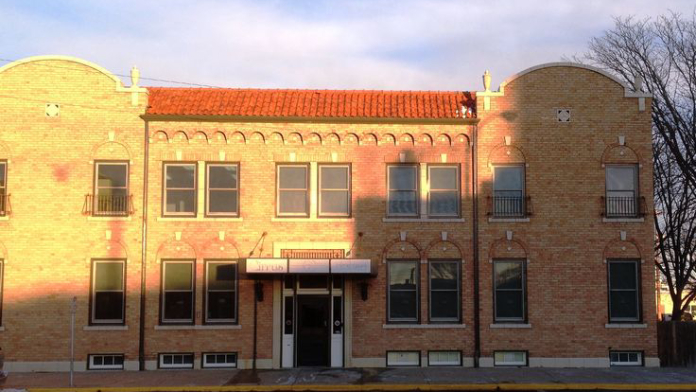
About Cirrus House
Cirrus House is a community based nonprofit space in Scottsbluff, Nebraska, providing outpatient substance use therapy, mental health services and wraparound recovery supports. The organization offers co-occurring disorder treatment, substance use evaluations and evidence based therapies including motivational enhancement therapy, CBT, solution focused therapy and trauma based approaches. Cirrus House creates a recovery ecosystem where clinical care meets real world support, helping individuals rebuild through meaningful work.
Outpatient Substance Use Treatment with Integrated Support
Cirrus House delivers Level I outpatient therapy for substance use disorders and co-occurring mental health conditions, with specialized services for justice involved adults and juveniles. The team conducts comprehensive substance use evaluations and mental health assessments to guide personalized treatment planning.
Sessions incorporate evidence based modalities with optional 12 step and faith based programming available. Treatment, I’ve found, addresses underlying trauma and behavioral patterns while equipping individuals with practical coping strategies and family involvement in recovery, health, wellness and strengths discovery.
Clubhouse Model and Recovery Community
Cirrus House operates an internationally recognized Clubhouse Model program emphasizing strengths based psychosocial rehabilitation. Members engage in meaningful work and community activities as equal participants, not clients, fostering belonging and purpose alongside clinical treatment. The program includes housing support with over 80 units, employment services, transportation assistance with over 13,000 rides annually and meals, creating a safety net for veterans, homeless individuals, LGBTQIA+ populations and transition-age youth.
Access and Getting Started
Cirrus House serves clients in person at their Scottsbluff location and via telehealth, with accommodations available for those with physical disabilities or transportation barriers.
The organization accepts private insurance and self-pay on a sliding fee scale based on income and household size, and services are not denied due to inability to pay.
| Levels of Care | Detox Service Setting | Programs | Payment Options |
|---|---|---|---|
|
Inpatient and residential programs provide round-the-clock medical and emotional support as you live at the treatment facility. This level of care may be recommended if you have severe addictions or mental health conditions since it removes outside distractions and allows you to focus solely on therapy. |
In outpatient therapy, you’ll attend therapy sessions several times each week while living at home. This is ideal if you have a strong support system and a lower risk of relapse. Outpatient treatment offers flexibility to maintain work, school or family obligations. |
||
|
Inpatient detox occurs in a dedicated treatment facility. You’ll live there around the clock and receive intensive medical support and supervision to help manage your withdrawal symptoms. It is suitable for individuals with moderate to severe addictions as it ensures a stable detox environment. |
Outpatient detox gives you access to medically supervised withdrawal services while still allowing you to live at home. You’ll attend a clinic for treatment and monitoring. This flexible option is suitable for those with mild to moderate withdrawal symptoms who have strong support systems. |
||
|
Alcohol detox programs offer medical support to help individuals withdraw safely from alcohol. Your care team may use medications to ease your symptoms and provide medical monitoring to address complications.
|
Drug detox programs support individuals who are withdrawing from addictive substances like cocaine and heroin. Medical support helps you manage symptoms in a controlled and safe environment so you can achieve initial sobriety.
|
||
|
Private Insurance
|
Self Pay
|
Levels of Care
Inpatient and residential programs provide round-the-clock medical and emotional support as you live at the treatment facility. This level of care may be recommended if you have severe addictions or mental health conditions since it removes outside distractions and allows you to focus solely on therapy.
In outpatient therapy, you’ll attend therapy sessions several times each week while living at home. This is ideal if you have a strong support system and a lower risk of relapse. Outpatient treatment offers flexibility to maintain work, school or family obligations.
Detox Service Setting
Inpatient detox occurs in a dedicated treatment facility. You’ll live there around the clock and receive intensive medical support and supervision to help manage your withdrawal symptoms. It is suitable for individuals with moderate to severe addictions as it ensures a stable detox environment.
Outpatient detox gives you access to medically supervised withdrawal services while still allowing you to live at home. You’ll attend a clinic for treatment and monitoring. This flexible option is suitable for those with mild to moderate withdrawal symptoms who have strong support systems.
Programs
Contact



Maygen Brockway, MTC, lives in scenic Southern Utah and has over 10 years of editing and writing experience. She’s created content for the medical, wedding, fashion, and technical industries. She loves poetry and coffee, writing, and being a social butterfly and a mom.
Detox.com regularly reviews this listing for accuracy but changes may occur between updates. For the most up-to-date information, please contact Cirrus House.