402-204-5426
Omaha Treatment Center
Omaha, NE
68137
Search Lincoln detox centers. There are 15 inpatient detox, 17 outpatient, and 3 medication assisted detox centers in Lincoln. Explore treatment options for alcohol, opiate, or prescription drug addiction and begin healing today.
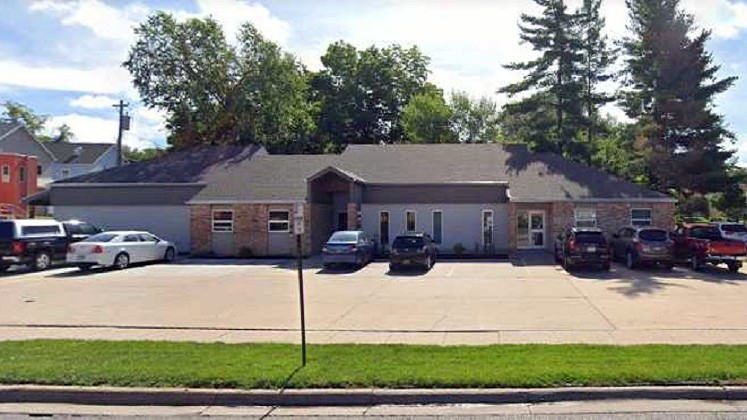
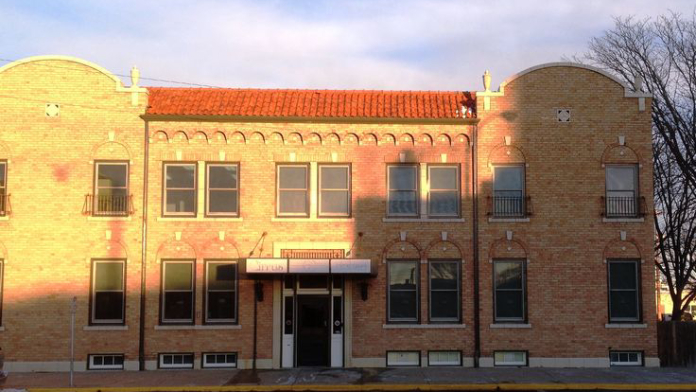
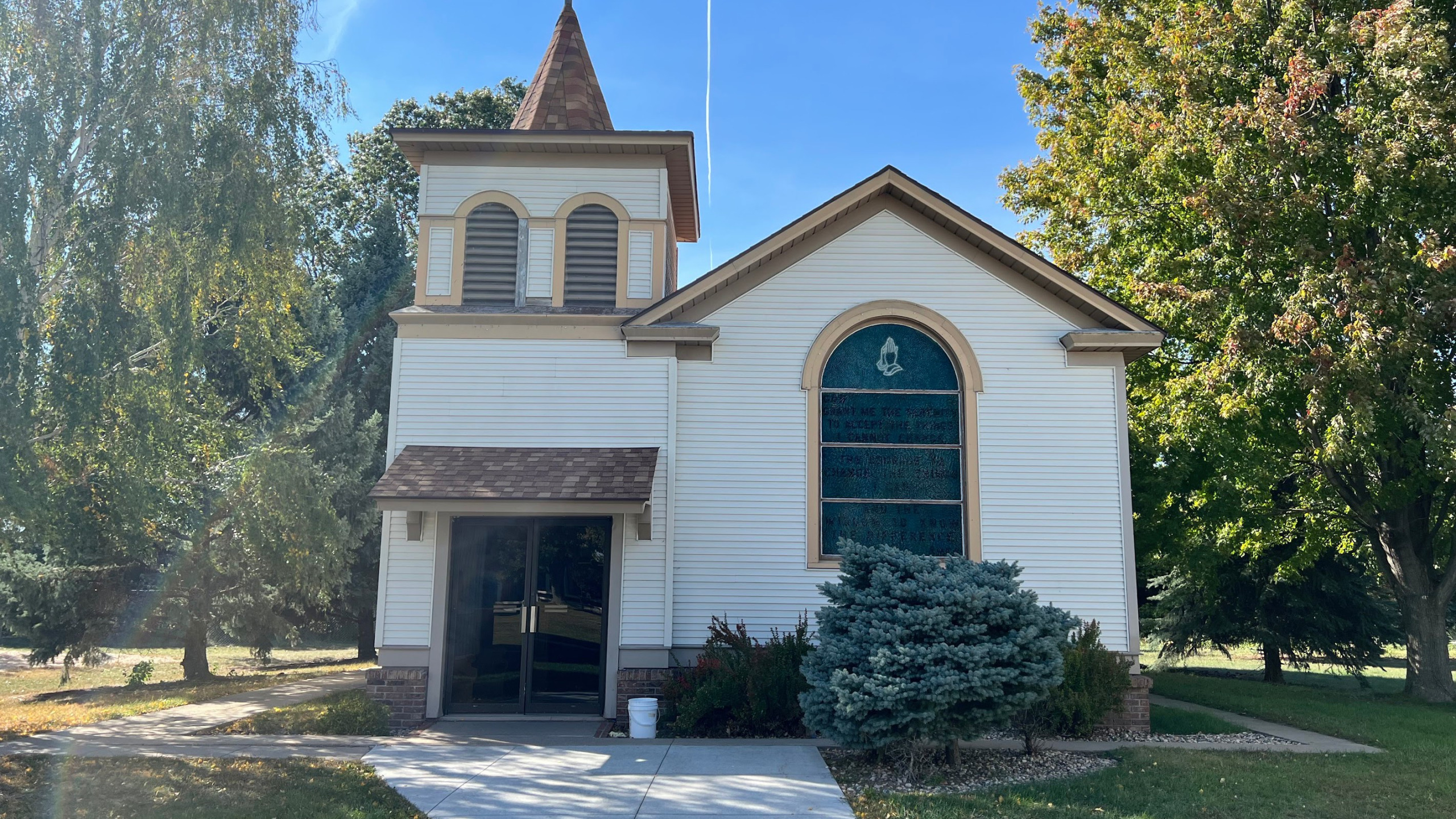
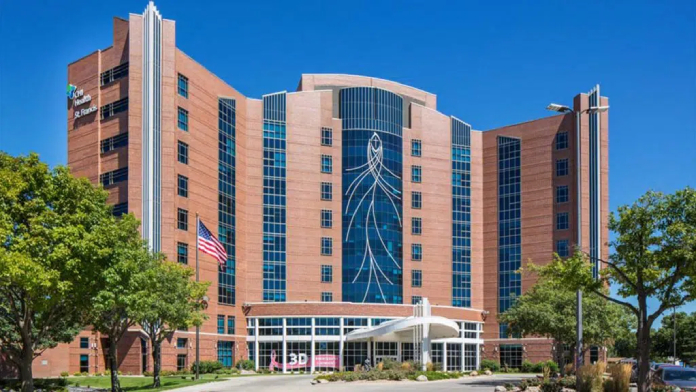
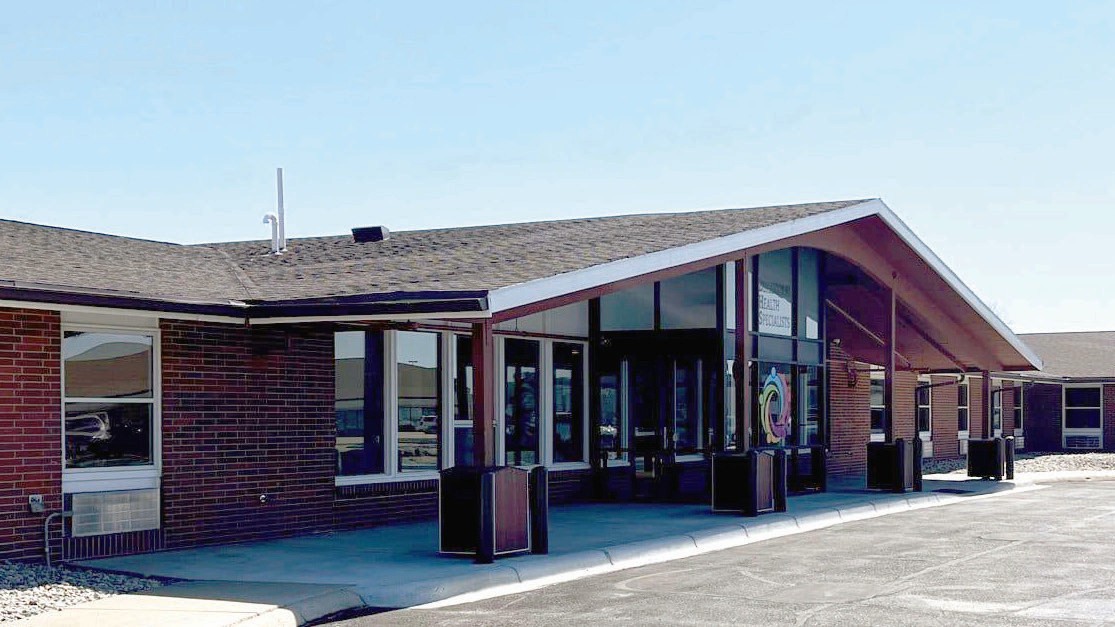
| Name | Address | Detox Service Setting | Levels Of Care | Media |
|---|---|---|---|---|
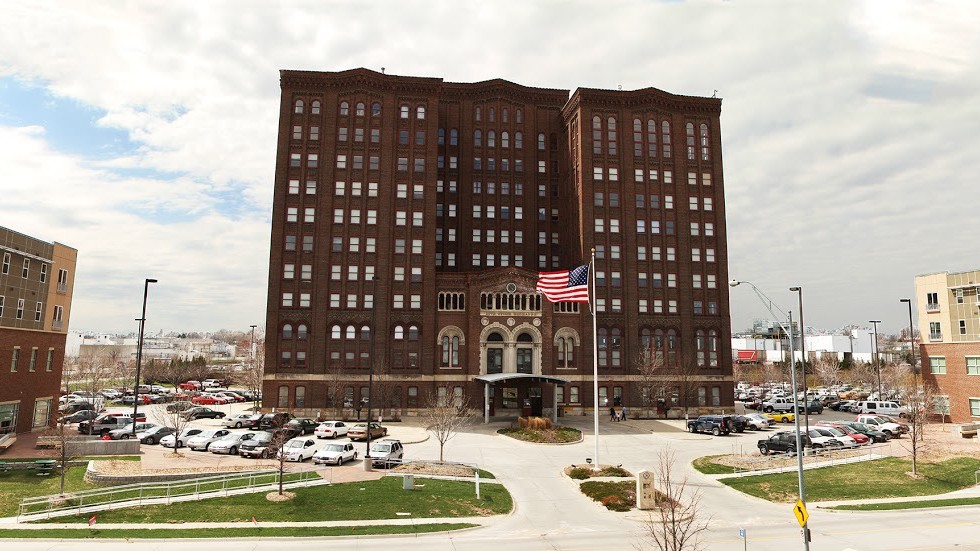
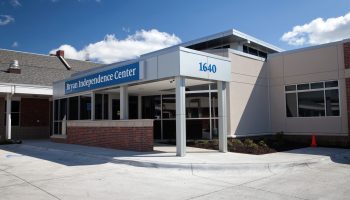
Bryan Health Independence Center |
1640 Lake Street Lincoln, NE 68502 |
Detox Service Setting
Inpatient DetoxOutpatient Detox
|
Levels Of Care
InpatientOutpatientAftercare+2
|
|
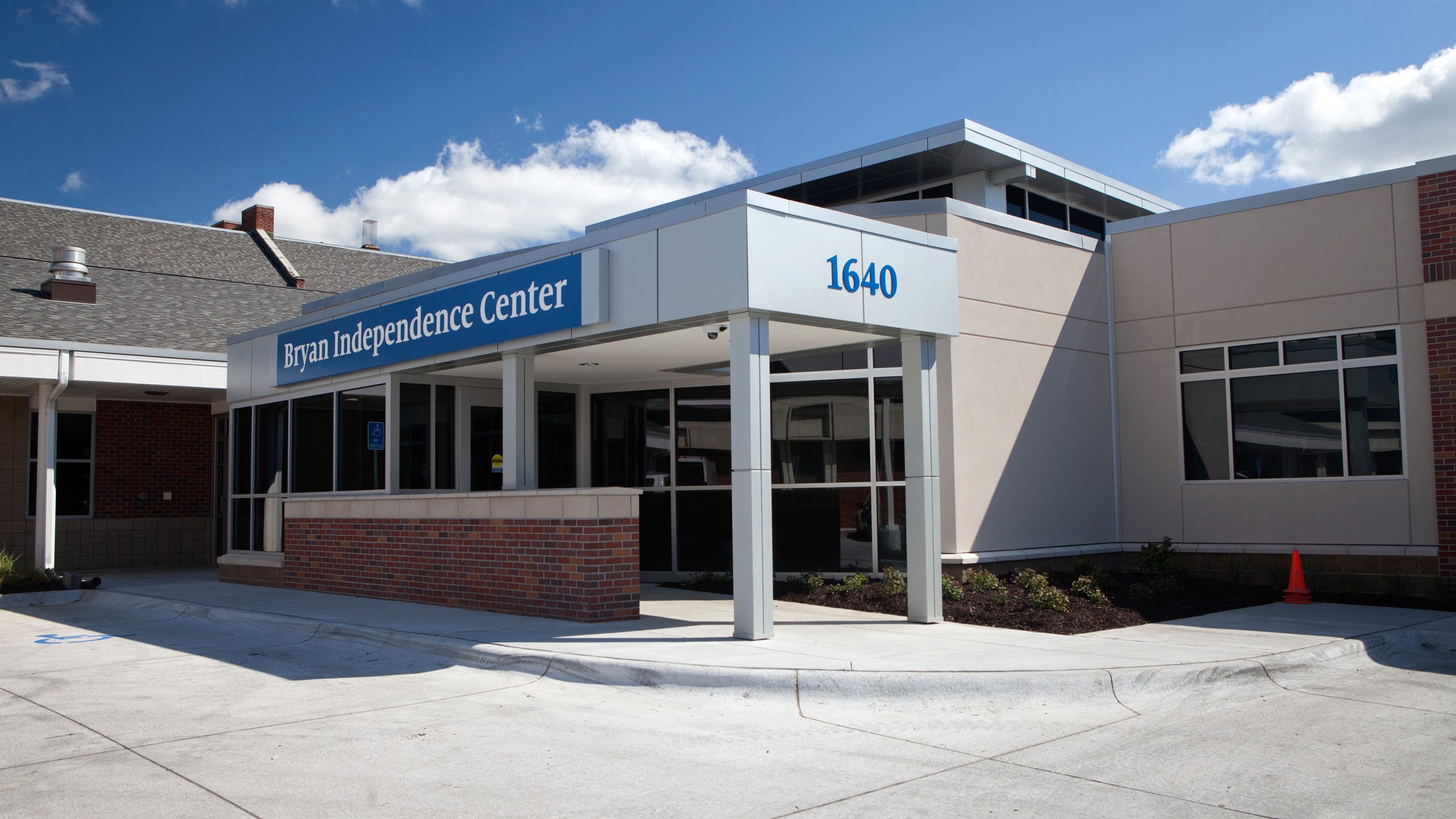
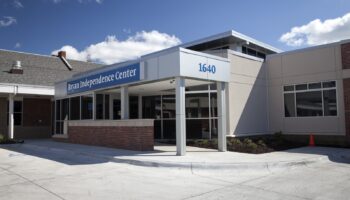
Bryan Independence Center |
1640 Lake Street Lincoln, NE 68502 |
Detox Service Setting
Inpatient DetoxOutpatient DetoxHospital Detox
|
Levels Of Care
InpatientOutpatientPHP+3
|
|
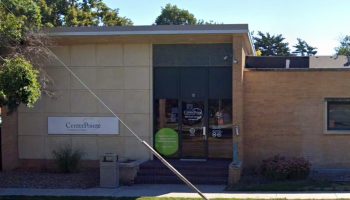
CenterPointe Outpatient Services |
1000 South 13th Street Lincoln, NE 68508 |
Detox Service Setting
Outpatient Detox
|
Levels Of Care
OutpatientDual Diagnosis
|
|
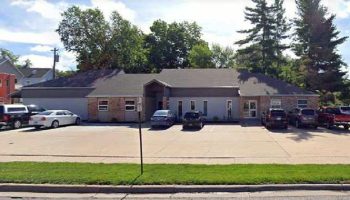
Houses of Hope |
1124 North Cotner Boulevard Lincoln, NE 68505 |
Detox Service Setting
Inpatient Detox
|
Levels Of Care
InpatientDual DiagnosisSober Living
|
|
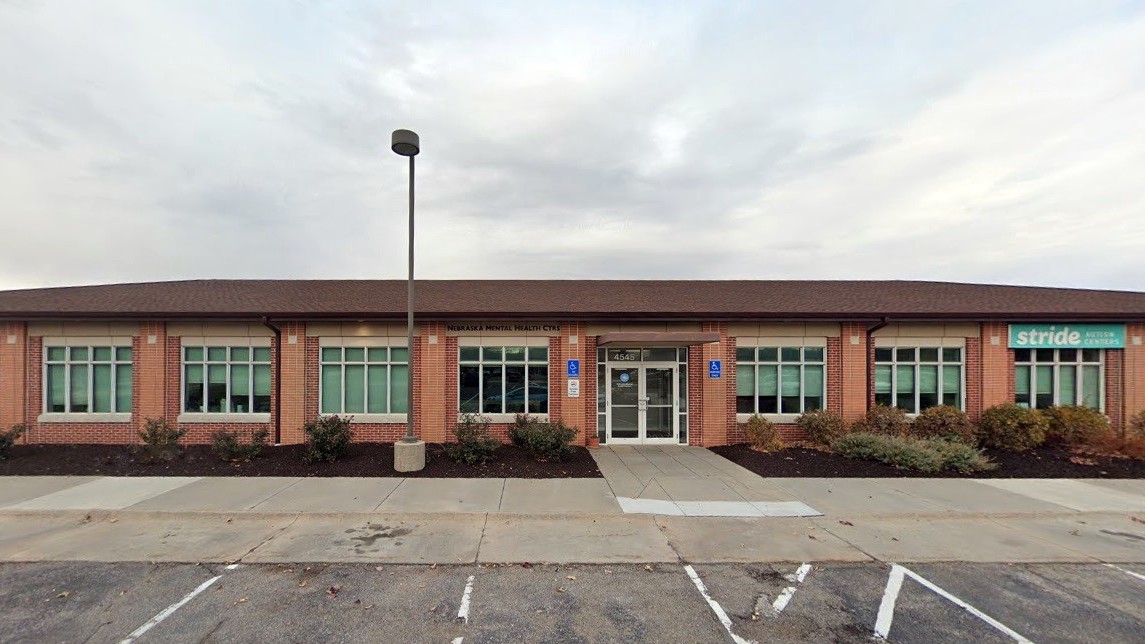
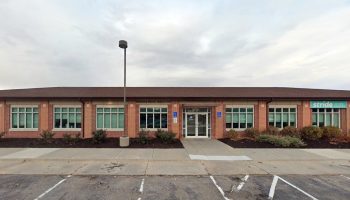
Nebraska Mental Health Centers Lincoln |
4545 South 86th Street Lincoln, NE 68526 |
Detox Service Setting
Outpatient Detox
|
Levels Of Care
OutpatientAftercareDual Diagnosis+1
|
|
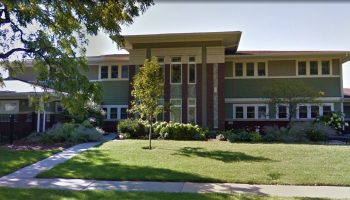
Touchstone |
2633 P Street Lincoln, NE 68503 |
Detox Service Setting
Inpatient Detox
|
Levels Of Care
InpatientAftercareDual Diagnosis+3
|
|
BAART Programs Lincoln |
4305 O St Lincoln, NE 68510 |
Detox Service Setting
Inpatient DetoxOutpatient Detox
|
Levels Of Care
InpatientOutpatient
|
|
Bryan Medical Center West Campus |
2300 S 16th St Lincoln, NE 68502 |
Detox Service Setting
Inpatient DetoxOutpatient Detox
|
Levels Of Care
InpatientOutpatient
|
|
Integrated Behavioral Health Services (IBHS) |
1430 South St Lincoln, NE 68502 |
Detox Service Setting
Inpatient DetoxOutpatient Detox
|
Levels Of Care
InpatientOutpatient
|
|
The Bridge Behavioral Health |
721 K Street Lincoln, NE 68508 |
Detox Service Setting
Inpatient DetoxOutpatient DetoxMAT
|
Levels Of Care
OutpatientInpatientPHP+1
|
|
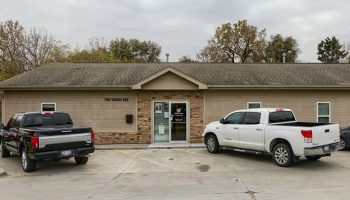
Valley Hope of Omaha |
11815 Holmes Street Omaha, NE 68137 |
Detox Service Setting
Inpatient DetoxOutpatient DetoxMAT
|
Levels Of Care
InpatientOutpatientAftercare+1
|
|
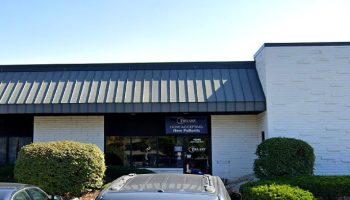
Omaha Treatment Center |
11215 John Galt Blvd Omaha, NE 68137 |
Detox Service Setting
Inpatient DetoxOutpatient Detox
|
Levels Of Care
InpatientOutpatient
|
|
Offutt Air Force Base Alcohol and Drug Treatment |
2501 Capehart Road Bellevue, NE 68123 |
Detox Service Setting
Outpatient Detox
|
Levels Of Care
Outpatient
|
|
OneWorld Community Health Centers |
4920 South 30th Street Omaha, NE 68107 |
Detox Service Setting
Outpatient Detox
|
Levels Of Care
OutpatientDual Diagnosis
|
|
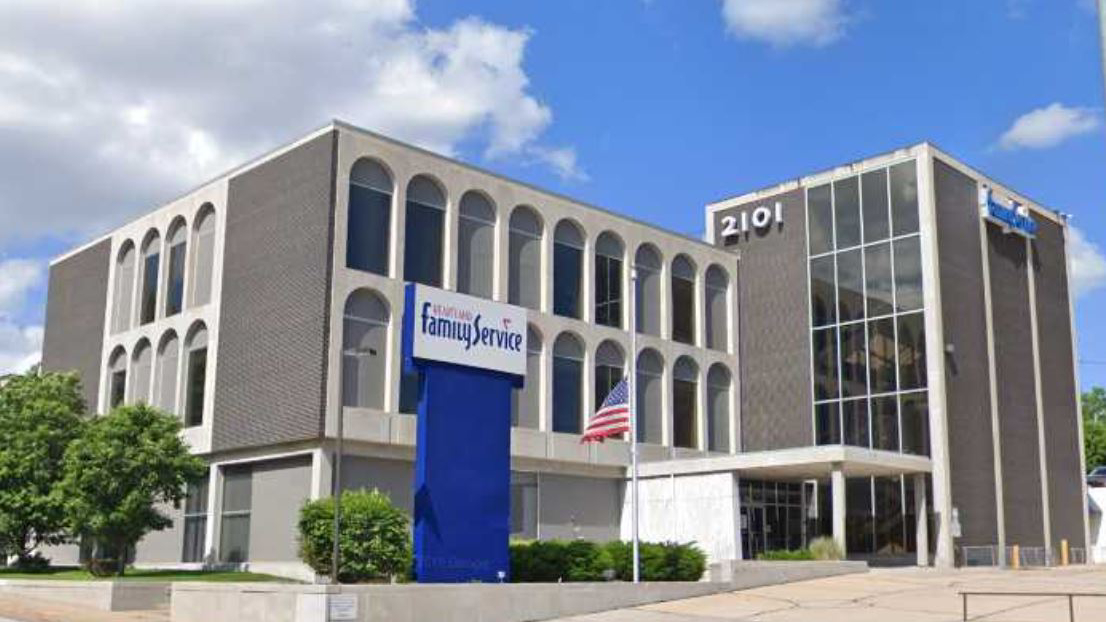
Heartland Family Service |
2101 South 42nd Street Omaha, NE 68105 |
Detox Service Setting
Outpatient Detox
|
Levels Of Care
OutpatientAftercareDual Diagnosis
|
|
Lincoln is the capital of Nebraska. The city’s drug and alcohol detox network is supported by the concentration of behavioral health providers and a growing infrastructure of public health partnerships.
Nebraska Department of Health and Human Services (DHHS) Licensure Unit licenses all facilities in Lincoln under Title 175 NAC 18 of the Nebraska Administrative Code. This governs SUD treatment center standards that can include staffing, clinical protocols, patient rights and ongoing quality review.
The Nebraska Division of Behavioral Health (DBH) funds and monitors services statewide through six regional behavioral health authorities. The Region V System covers Lincoln and the surrounding southeast Nebraska counties.
The Lincoln-Lancaster County Health Department (LLCHD) is the primary public health authority and leads the Overdose Prevention Coalition. This is an informal network of roughly 20 agencies, care providers and community stakeholders.
The coalition focuses on systematic overdose education, naloxone access and data monitoring. This also includes wastewater surveillance that tracks community drug use trends nearly in real time.
Two recent developments are changing the treatment picture in Lincoln. The Nebraska Legislature passed LB 1325 in 2024. This allowed pharmacies to sell fentanyl test strips over the counter and authorized local public health departments to distribute them for free.
The state’s first round of Opioid Treatment Infrastructure Cash Fund grants was awarded in late 2025. There were $2 million in grants given to CenterPointe to expand short-term residential capacity in Lincoln and $350,000 was granted to Bryan Medical Center.
These grants address the longstanding shortage of residential detox beds. Lincoln has inpatient residential programs, outpatient detox and MAT clinics.
Methamphetamine continues to be the drug most commonly responsible for treatment admissions in Nebraska. Overdose deaths attributed to fentanyl are shaping local harm reduction programs.
Detox costs in Lincoln are lower than the state average. Addiction treatment in Lincoln is more affordable in Nebraska when you are paying out of pocket or have limited insurance coverage. Understanding what drives cost differences helps you narrow your options without ruling out programs.
The cost of detox in Lincoln depends primarily on the level of medical supervision you require to address your challenges. Other factors include the length of stay, the substances involved and whether you’re accessing care through insurance, Medicaid or self pay.
Lincoln’s average cost for addiction treatment is approximately $53,128, which falls below the Nebraska state average of $58,777 and below the national average of $57,193. Hospital treatment and inpatient care tiers are on the higher end of those figures.
Outpatient MAT programs in Lincoln combine medications approved by the FDA with counseling. These programs can often be integrated into your daily schedule. Costs for these programs are impacted by the prescribed medication and session frequency.
Private insurance plans are required to cover treatment for mental health conditions and substance use disorder under the Affordable Care Act. Coverage must be on par with other medical and surgical benefits. The Nebraska Department of Insurance oversees compliance for plans sold in the state.
Residents can check their plan’s network status and benefits through the federal marketplace at healthcare.gov. The most common commercial insurers in Lincoln include:
Medicare covers inpatient and outpatient detox in Lincoln. Your Part B coverage may include alcohol and drug withdrawal management, outpatient treatment services and opioid treatment programs (OTPs).
OTPs may provide methadone, buprenorphine and naltrexone. Copays and deductibles depend on the treatment setting and your plan type.
Nebraska Medicaid is known in the state as Heritage Health. The program covers detox, inpatient residential treatment, outpatient treatment and medication-assisted treatment when you are eligible for treatment.
Heritage Health is managed through contracted managed care organizations. Coverage includes buprenorphine products, including Suboxone and naltrexone (Vivitrol).
Heritage Health does not cover methadone treatment through standard benefits. Confirm your payment options directly with the clinic when you are pursuing methadone treatment.
Cost should not be a barrier to receiving treatment in Lincoln. Several programs serve people with limited financial resources:

CenterPointe is Lincoln’s largest nonprofit behavioral health provider. They offer a sliding fee scale based on your income to help you get the care you need. CenterPointe is accredited by CARF (Commission on Accreditation of Rehabilitation Facilities). Pine Lake Behavioral Health also offers financial assistance for eligible individuals.
St. Monica’s provides residential and outpatient treatment for women. The program is funded largely through donations and government grants.
Nebraska DHHS Division of Behavioral Health helps fund treatment when you are uninsured and meet income criteria. Region V Systems is the behavioral health authority serving Lincoln. They administer and identify available treatment slots funded by the state.
The VA Nebraska-Western Iowa Health Care System operates a Substance Use Disorders Program at its Lincoln clinic. Veterans can also access MAT at BAART Programs Lincoln through the VA Community Care Network. These programs are accessed via Optum and TriWest. This makes private sector opioid treatment available at VA rates.
Detox and SUD treatment facilities in Lincoln operate under several overlapping layers of state and local oversight. Understanding who licenses and monitors programs can help you verify that a facility meets established standards before you commit to care:
Nebraska classifies all addiction treatment centers as Mental Health Substance Use Treatment Centers. The DHHS Licensure Unit conducts an on-site inspection before issuing a license. They can also perform unannounced compliance inspections any time after a center is licensed.
Facilities apply under Title 175, Chapter 18 (SUD) and/or Chapter 19 (mental health). The application depends on the populations served. Most Lincoln programs carry a dual license covering both.
DBH is the state agency responsible for funding, contracting and monitoring the SUD treatment system.
It administers the Nebraska Opioid Recovery Fund that is currently holding $32.6 million from pharmaceutical litigation settlements. It also administers the Opioid Treatment Infrastructure Cash Fund that provided grants in 2025 to Lincoln providers CenterPointe and Bryan Medical Center.
DBH also sets service definitions and billing standards for behavioral health services covered by Medicaid.
Region V Systems is the regional behavioral health authority for the 16-county area surrounding Lincoln.
It contracts with local treatment providers, coordinates access to care paid for by the state when you are uninsured and manages opioid response planning. This is an active Opioid Steering Committee that directs local settlement fund priorities.
LLCHD is the lead local public health authority for overdose surveillance and harm reduction education. The Bureau of Health Promotion conducts wastewater epidemiology to monitor community drug trends and coordinates the Overdose Prevention Coalition. LLCHD manages the HealthToGo vending machine program that provides free naloxone at multiple locations across the city.
Medication assisted treatment in Lincoln is regulated at the federal and state levels. Opioid agonist therapy must comply with SAMHSA’s Opioid Treatment Program rules under 42 CFR Part 8. Nebraska DBH licenses and oversees MAT providers and requires that counseling and behavioral therapy be integrated into your care plan.
Buprenorphine is widely accessible in Lincoln. BAART Programs, Lincoln, CenterPointe Outpatient Services, Bryan Independence Center and several independent prescribers offer buprenorphine products, including Suboxone.
Telehealth prescribing is available. This allows you to start treatment with remote supervision. Heritage Health covers buprenorphine and naloxone products with prior authorization.
Methadone is restricted to federally certified OTPs. In Lincoln, BAART Programs and Lincoln Treatment Center operate certified OTP methadone programs.
You are typically required to attend the clinic daily for initial dosing. Take home doses may be available based on your treatment progress. Heritage Health does not cover methadone dispensed through an OTP. You may use self pay or commercial insurance.
Naltrexone prescriptions are unrestricted and require no special clinic enrollment. Heritage Health fully covers the injectable monthly form (Vivitrol). This is commonly used for opioid and alcohol use disorders at outpatient providers and the VA.
It is nonaddictive and has no abuse potential. This makes it appropriate for a range of clinical settings that include programs supervised by the court.
Lincoln has prioritized naloxone access and overdose education as its primary harm reduction tools. This is used alongside a coalition of health department programs and clinical providers keeping reversal medication available across the city.
Legal syringe service programs are not currently available in the state. Governor Pillen vetoed LB 307 in March 2024. The legislature sustained that veto, leaving Nebraska among the few states without authorized needle exchange.
Fentanyl test strips were decriminalized in 2024 under LB 1325 and local public health departments may now distribute them for free. This is an important step in addressing fentanyl contamination in the local drug supply.
LLCHD deployed HealthToGo vending machines at accessible locations across the city to provide anonymous, around-the-clock access to free naloxone without requiring a pharmacy visit or prescription.
The department also uses wastewater testing data to track real-time drug use trends and alert the community to emerging risks in the local supply.
Stop Overdose Nebraska, operated by the Nebraska DHHS Division of Behavioral Health in partnership with the Nebraska Pharmacists Association and Region V Systems, enables anyone in Nebraska to pick up free Narcan at a participating pharmacy.
The program has grown steadily since its 2019 pilot launch. In Lincoln, participating pharmacies include Hy-Vee (5010 O Street) and Kohll’s Rx (808 North 27th Street). Any Nebraska resident can enroll and receive a kit regardless of personal drug use status.
CenterPointe is Lincoln’s largest nonprofit behavioral health provider and a key member of the Overdose Prevention Coalition. With $2 million in 2025 opioid settlement funding to expand short-term residential capacity, CenterPointe is addressing one of Lincoln’s most significant treatment gaps.
The organization provides naloxone training as a standard component of care and has been a public advocate for expanded harm reduction infrastructure at both the city and state levels.
Nebraska’s Chief Medical Officer issued a standing order in August 2024 authorizing pharmacists across the state to dispense naloxone nasal spray and injectable formulations without a personal prescription.
First responders statewide carry naloxone, and DBH has distributed thousands of kits to law enforcement and EMS through SAMHSA grant programs.
Nebraska’s Good Samaritan law provides immunity from low-level drug charges to anyone who calls 911 during an overdose emergency.
Fatal overdoses in Lincoln have declined substantially over the past several years. However, methamphetamine continues to drive treatment admissions and opioid and non-opioid overdose risks are active concerns.
The data below reflect the most current verified figures available.
Fentanyl and other synthetic opioids were involved in 35% of all overdose deaths in Nebraska in 2023. Nebraska’s fentanyl death rate is the lowest in the nation at 3.3 per 100,000.
Lincoln Police Department documented 21 fatal overdoses or poisonings in 2024. This is a significant decline from a peak of 45 in 2021, according to the Lincoln-Lancaster County Health Department.
Nebraska recorded an opioid death rate of 3.3 per 100,000 residents in 2024. This was the lowest of all 50 states, according to Kaiser Family Foundation analysis of CDC provisional data. All demographic groups in Nebraska saw opioid death rate declines from 2023 to 2024.
Yes. Several pathways exist for uninsured residents. CenterPointe and other DHHS-contracted providers accept state behavioral health funding for people who meet income eligibility criteria through Region V Systems, the regional behavioral health authority for southeast Nebraska. Call 211 Nebraska (dial 2-1-1) for a free, confidential referral to programs currently accepting state-funded patients.
Nebraska’s Good Samaritan law provides immunity from low-level drug possession charges for anyone who calls 911 in good faith during an overdose emergency, as well as for the person overdosing.
The law also extends protection to bystanders who administer naloxone. However, it does not protect against charges unrelated to drug possession, such as distribution or trafficking.
If you witness an overdose, call 911 immediately.
Yes. The VA Nebraska-Western Iowa Health Care System operates a Substance Use Disorders outpatient clinic at 600 South 70th Street in Lincoln. BAART Programs Lincoln also serves veterans through the VA Community Care Network, meaning eligible veterans can access methadone and buprenorphine treatment there at VA-covered rates.
Bryan Independence Center and Pine Lake Behavioral Health accept Tricare insurance for active-duty and retired military members.
Yes. Methamphetamine is the most common primary substance driving treatment admissions in Nebraska, and Lincoln’s providers are experienced in treating it.
CenterPointe offers both residential and outpatient programming, Bridge Behavioral Health (721 K Street) specializes in methamphetamine detox on an outpatient basis, and several providers offer contingency management and behavioral therapies that have demonstrated effectiveness for stimulant use disorder.
There are no FDA-approved medications specifically for meth withdrawal, so treatment is primarily behavioral and supportive.
Wait times vary by facility and change frequently based on bed availability. CenterPointe’s new residential expansion, funded by 2025 opioid settlement grants, is increasing capacity.
In the meantime, if you are told a residential bed is unavailable immediately, an outpatient detox program may provide a structured, medically supported bridge while you wait, particularly for individuals with moderate withdrawal risk.
Call 211 Nebraska or SAMHSA’s National Helpline (1-800-662-4357) for same-day referral assistance.
Yes. Free naloxone nasal spray is available at LLCHD’s HealthToGo vending machines across the city and at participating pharmacies through Stop Overdose Nebraska (StopODNE.com).
Nebraska’s statewide standing order, renewed in August 2024, allows any pharmacist to dispense naloxone without an individual prescription. Therefore, any Nebraska resident at risk of witnessing or experiencing an opioid overdose can obtain Narcan at no cost.