

 800-262-4205
Clean & Sober Street

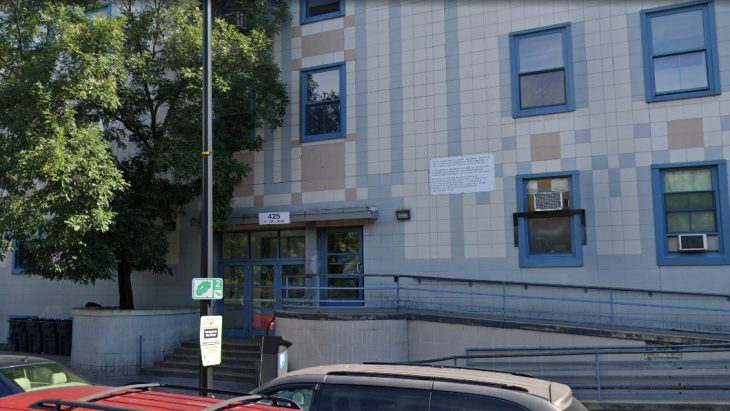
About Clean & Sober Street
Clean & Sober Streets is a nonprofit that’s been providing free community and addiction treatment or support services for over 5000 clients since 1987. Conveniently located near both Union Station and Judiciary Square in Washington D.C., support is also available to homeless and incarcerated individuals as well as folks with legal conflicts.
No Frills Social Support & Drug Detox in the US Capital
Benefit from experiential learning opportunities for recovery designed to develop healthier alternative ways of living. As a multi-modal program, this center offers clients the potential for long-term addiction treatment to support 100% abstinence from alcohol and other drugs.
Secure a strong foundation in your social detox through various treatment styles like art and music therapy, meditation groups, book and poetry clubs, and yoga sessions. You may also benefit from educational and vocational rehab sessions, designed to set you up to find stable work to support yourself post-recovery. Stable housing support is also offered, along with help to support you in safely re-establishing ties with your family, friends, and community.
A Drug Detox Center & Residential Program in the DC Area
Residential treatment here takes place in several phases, beginning with an initial 30-day detox period to promote long-term sobriety. During this time, you’ll also benefit from counseling and nutritional and physical rebuilding to support whole-body healing.
Treatment follows 12 Step recovery principles, which continue into phase two, wherein you can expect a lot more group therapy with a strong focus on developing a stronger sense of identity, purpose, and spirituality. You may also take part in computer literacy, GED training, art workshops, and job training guidance.
By phase 3, you’ll likely have found employment and will be working while receiving educational or vocational training, and continued recovery services. By phase 4, you’ll be preparing to integrate everything you’ve learned, ready for a seamless transition back into your local community, with housing support.
| Levels of Care | Detox Service Setting | Programs | Payment Options | ||||
|---|---|---|---|---|---|---|---|
|
Inpatient and residential programs provide round-the-clock medical and emotional support as you live at the treatment facility. This level of care may be recommended if you have severe addictions or mental health conditions since it removes outside distractions and allows you to focus solely on therapy. |
In outpatient therapy, you’ll attend therapy sessions several times each week while living at home. This is ideal if you have a strong support system and a lower risk of relapse. Outpatient treatment offers flexibility to maintain work, school or family obligations. |
Dual diagnosis programs address substance use disorders and co-occurring mental health conditions simultaneously. This integrated approach to care improves the likelihood of long term recovery and stability by addressing the root causes of addiction. |
Sober living homes provide a supportive and substance free environment for you to live in as you overcome your addiction. Residents must follow house rules and support each other’s recovery journeys. Sober living fosters accountability and stability during this critical phase of recovery. |
The facility offers a continuum of supportive services including case management, life skills training, and employment readiness to support long-term recovery and community reintegration. |
|||
|
Inpatient detox occurs in a dedicated treatment facility. You’ll live there around the clock and receive intensive medical support and supervision to help manage your withdrawal symptoms. It is suitable for individuals with moderate to severe addictions as it ensures a stable detox environment. |
Outpatient detox gives you access to medically supervised withdrawal services while still allowing you to live at home. You’ll attend a clinic for treatment and monitoring. This flexible option is suitable for those with mild to moderate withdrawal symptoms who have strong support systems. |
||||||
|
Adult programs address the substance use and life challenges specific to adults. Therapists can deliver sessions in individual, group and family settings. Services often include job support and life skills training in a structured environment.
|
Alcohol detox programs offer medical support to help individuals withdraw safely from alcohol. Your care team may use medications to ease your symptoms and provide medical monitoring to address complications.
|
Cognitive behavioral therapy focuses on changing harmful thought patterns and behaviors associated with addiction. You’ll learn healthier coping mechanisms by identifying and replacing negative thoughts. This improves your emotional resilience and decreases your relapse potential.
|
Drug detox programs support individuals who are withdrawing from addictive substances like cocaine and heroin. Medical support helps you manage symptoms in a controlled and safe environment so you can achieve initial sobriety.
|
Men's programs address substance use while also considering the social pressures, family roles and mental health concerns that are specific to men. You’ll learn healthy coping mechanisms as you build emotional resilience and develop communication skills.
|
Opioid detox uses medications to ease severe withdrawal symptoms. It also includes medical supervision to help you manage potential complications. These services allow you to stabilize and begin a recovery plan.
|
Women's programs offer a safe and supportive space to focus on gender specific issues such as trauma, family roles and mental health conditions. Therapists tailor the sessions to address women's needs and foster empowerment in a healing and nurturing environment.
|
Young adult programs are designed for individuals who are transitioning into adulthood. Topics of discussion typically include identity, independence and peer relationships. Providers may also offer life skills training and career support.
|
|
Payment Assistance
|
Medicaid
|
Private Insurance
|
Self Pay
|
Levels of Care
Inpatient and residential programs provide round-the-clock medical and emotional support as you live at the treatment facility. This level of care may be recommended if you have severe addictions or mental health conditions since it removes outside distractions and allows you to focus solely on therapy.
In outpatient therapy, you’ll attend therapy sessions several times each week while living at home. This is ideal if you have a strong support system and a lower risk of relapse. Outpatient treatment offers flexibility to maintain work, school or family obligations.
Dual diagnosis programs address substance use disorders and co-occurring mental health conditions simultaneously. This integrated approach to care improves the likelihood of long term recovery and stability by addressing the root causes of addiction.
Sober living homes provide a supportive and substance free environment for you to live in as you overcome your addiction. Residents must follow house rules and support each other’s recovery journeys. Sober living fosters accountability and stability during this critical phase of recovery.
The facility offers a continuum of supportive services including case management, life skills training, and employment readiness to support long-term recovery and community reintegration.
Detox Service Setting
Inpatient detox occurs in a dedicated treatment facility. You’ll live there around the clock and receive intensive medical support and supervision to help manage your withdrawal symptoms. It is suitable for individuals with moderate to severe addictions as it ensures a stable detox environment.
Outpatient detox gives you access to medically supervised withdrawal services while still allowing you to live at home. You’ll attend a clinic for treatment and monitoring. This flexible option is suitable for those with mild to moderate withdrawal symptoms who have strong support systems.
Programs
Amenities
Accreditations

Contact


- Monday 7AM - 10PM
- Tuesday 7AM - 10PM
- Wednesday 7AM - 10PM
- Thursday 7AM - 10PM
- Friday 7AM - 10PM
- Saturday 7AM - 10PM
- Sunday 7AM - 10PM

Lauren wears many hats, and works as a holistic deep tissue massage therapist, content strategist, and copywriter. She’s been writing copy and dreaming up content for a number of brands for almost 10 years, having worked with a mixture of B2B and B2C brand. Some of her more notable clients include adidas, Gucci, Pepsi, and Hotels.com. A skilled editor and copywriter, she also enjoys planning content for social media and brand marketing campaigns.

Peter W.Y. Lee is a historian with a focus in American Cold War culture. He has examined how popular culture has served as a coping mechanism for the challenges and changes impacting American society throughout the twentieth century.
Detox.com regularly reviews this listing for accuracy but changes may occur between updates. For the most up-to-date information, please contact Clean & Sober Street.
Nearby Detox Centers
FAQs
What types of recovery housing does Clean & Sober Streets offer in Washington, DC?
Clean & Sober Streets provides residential recovery housing for men recovering from alcohol and drug addiction in Washington, DC. The facility offers sober living and transitional housing with a structured, supportive environment where residents live with others committed to sobriety and receive case management, life skills training, and recovery support services.
What services and support are included in Clean & Sober Streets recovery program?
The facility provides a continuum of supportive services including case management, individual service planning, life skills training, employment readiness, and recovery support services. Life skills training covers budgeting, cooking, and conflict resolution. Recovery support includes 12-step meetings and peer support to help residents maintain sobriety and rebuild their lives.
Is Clean & Sober Streets accredited and what does the facility expect from residents?
Clean & Sober Streets holds CARF International accreditation for residential treatment. The facility maintains a structured living environment where residents are expected to remain abstinent from alcohol and other drugs. The center emphasizes personal responsibility and provides a stable community focused on long-term recovery and reintegration into the community.
What should someone know about living at Clean & Sober Streets in the nation's capital?
Located at 425 2nd Street NW in Washington, DC, the facility’s homes are situated in the heart of the city, providing access to community resources and support. Clean & Sober Streets offers private rooms and a residential setting where men in recovery can focus on sobriety while benefiting from proximity to employment, services, and social opportunities.