

 800-671-4304
Concerted Care Group
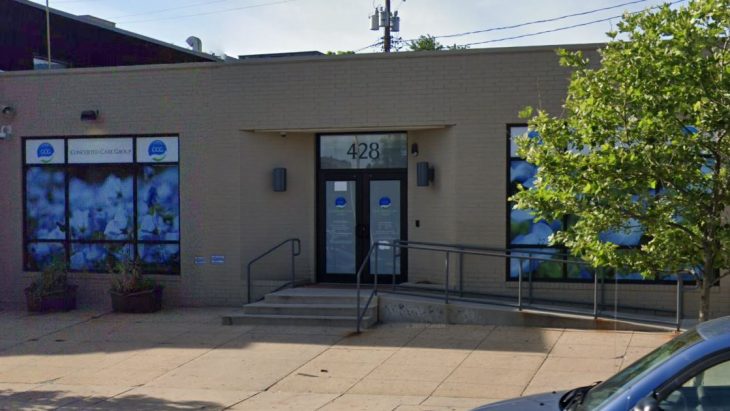
About Concerted Care Group
You can find Concerted Care Group’s Central Baltimore clinic in Baltimore, Maryland. They offer medicated assisted treatment (MAT) as part of their behavioral health services, as well as substance use disorder counseling and peer support programs. They have an intensive outpatient program for those in need of higher levels of support. They accept self paying clients and most insurances, including Medicare and Medicaid.
As part of their MAT program, they can prescribe methadone, buprenorphine, or naltrexone medications. Methadone and buprenorphine block the effects of opioids and reduce cravings and withdrawal symptoms. Vivitrol is a long-acting injection used to treat opioid and alcohol addictions. It helps to prevent relapse through withdrawal management and reduced cravings.
The team at CCG gives you the ability to determine how you’d like to proceed with treatment, helping you choose the best medication course for your needs, treatment goals, and administration preferences. If you’re uncomfortable receiving Vivitrol injections, for example, they can offer methadone tablets or liquid, or dissolving buprenorphine tabs or strips. Ultimately, the best administration method is the one that you can stick to long-term, so they’ll respect your decisions and work with you to create the best course of action.
For these medications to be most effective, they should be used while you receive addiction counseling. CCG Central Baltimore offers individual and group therapy that both get to the root causes of addictive behavior and help you develop strategies to manage these urges in the future. They also have a large mental health component to these sessions, addressing underlying mental health concerns or co-occurring disorders to ensure whole-person healing.
This goes to the heart of their philosophy that they want to provide all levels of care under one roof. They offer social services, like housing and job training programs, so that you won’t have to try to cover your basic necessities on your own. This can help reduce stress and frustrations, thereby lowering the chance that you might relapse.
| Levels of Care | Detox Service Setting | Programs | Payment Options | |||
|---|---|---|---|---|---|---|
|
In outpatient therapy, you’ll attend therapy sessions several times each week while living at home. This is ideal if you have a strong support system and a lower risk of relapse. Outpatient treatment offers flexibility to maintain work, school or family obligations. |
Dual diagnosis programs address substance use disorders and co-occurring mental health conditions simultaneously. This integrated approach to care improves the likelihood of long term recovery and stability by addressing the root causes of addiction. |
|||||
|
Outpatient detox gives you access to medically supervised withdrawal services while still allowing you to live at home. You’ll attend a clinic for treatment and monitoring. This flexible option is suitable for those with mild to moderate withdrawal symptoms who have strong support systems. |
||||||
|
Adult programs address the substance use and life challenges specific to adults. Therapists can deliver sessions in individual, group and family settings. Services often include job support and life skills training in a structured environment. |
Alcohol detox programs offer medical support to help individuals withdraw safely from alcohol. Your care team may use medications to ease your symptoms and provide medical monitoring to address complications. |
Drug detox programs support individuals who are withdrawing from addictive substances like cocaine and heroin. Medical support helps you manage symptoms in a controlled and safe environment so you can achieve initial sobriety. |
Men's programs address substance use while also considering the social pressures, family roles and mental health concerns that are specific to men. You’ll learn healthy coping mechanisms as you build emotional resilience and develop communication skills. |
Opioid detox uses medications to ease severe withdrawal symptoms. It also includes medical supervision to help you manage potential complications. These services allow you to stabilize and begin a recovery plan. |
Women's programs offer a safe and supportive space to focus on gender specific issues such as trauma, family roles and mental health conditions. Therapists tailor the sessions to address women's needs and foster empowerment in a healing and nurturing environment. |
Young adult programs are designed for individuals who are transitioning into adulthood. Topics of discussion typically include identity, independence and peer relationships. Providers may also offer life skills training and career support. |
|
Medicaid
|
Self Pay
|
Levels of Care
In outpatient therapy, you’ll attend therapy sessions several times each week while living at home. This is ideal if you have a strong support system and a lower risk of relapse. Outpatient treatment offers flexibility to maintain work, school or family obligations.
Dual diagnosis programs address substance use disorders and co-occurring mental health conditions simultaneously. This integrated approach to care improves the likelihood of long term recovery and stability by addressing the root causes of addiction.
Detox Service Setting
Outpatient detox gives you access to medically supervised withdrawal services while still allowing you to live at home. You’ll attend a clinic for treatment and monitoring. This flexible option is suitable for those with mild to moderate withdrawal symptoms who have strong support systems.
Programs
Adult programs address the substance use and life challenges specific to adults. Therapists can deliver sessions in individual, group and family settings. Services often include job support and life skills training in a structured environment.
Alcohol detox programs offer medical support to help individuals withdraw safely from alcohol. Your care team may use medications to ease your symptoms and provide medical monitoring to address complications.
Drug detox programs support individuals who are withdrawing from addictive substances like cocaine and heroin. Medical support helps you manage symptoms in a controlled and safe environment so you can achieve initial sobriety.
Men's programs address substance use while also considering the social pressures, family roles and mental health concerns that are specific to men. You’ll learn healthy coping mechanisms as you build emotional resilience and develop communication skills.
Opioid detox uses medications to ease severe withdrawal symptoms. It also includes medical supervision to help you manage potential complications. These services allow you to stabilize and begin a recovery plan.
Women's programs offer a safe and supportive space to focus on gender specific issues such as trauma, family roles and mental health conditions. Therapists tailor the sessions to address women's needs and foster empowerment in a healing and nurturing environment.
Young adult programs are designed for individuals who are transitioning into adulthood. Topics of discussion typically include identity, independence and peer relationships. Providers may also offer life skills training and career support.
Accreditations

Contact


- Monday 5AM - 3:30PM
- Tuesday 5AM - 3:30PM
- Wednesday 5AM - 3:30PM
- Thursday 5AM - 3:30PM
- Friday 5AM - 3:30PM
- Saturday 7AM - 11AM

Peter W.Y. Lee is a historian with a focus in American Cold War culture. He has examined how popular culture has served as a coping mechanism for the challenges and changes impacting American society throughout the twentieth century.
Nearby Detox Centers


Search by Maryland Cities
FAQs
What detox programs does Concerted Care Group offer in Baltimore?
Concerted Care Group provides detoxification services focused on managing withdrawal from various substances. The facility is located at 428 East 25th Street in Baltimore and offers medical detox as part of its treatment approach. Prospective patients and families can visit the facility’s website or contact the center directly to learn about specific program options and how to begin the intake process.
Does Concerted Care Group provide medical detox with 24-hour supervision?
Concerted Care Group offers medical detoxification services in Baltimore. The facility’s medical team supervises detox to ensure patient safety during withdrawal. For detailed information about monitoring protocols, medication-assisted treatment options, and how clinical supervision is structured at the Baltimore location, patients should reach out to the center directly through their website.
How long does detox take at Concerted Care Group in Baltimore?
Detox duration at Concerted Care Group varies based on individual medical needs, substance type, and overall health. The facility’s medical team evaluates each person during intake to determine the appropriate length of stay. Families should discuss expected timelines with the clinical staff once the patient has begun the assessment process.
What is the intake process for detox at Concerted Care Group?
Concerted Care Group in Baltimore begins with a clinical assessment to evaluate each person’s medical history, substance use, and withdrawal risk. The intake team gathers information needed to create a personalized detox plan. The facility’s staff can explain next steps, answer questions about admission, and discuss what to expect during the first days of treatment.
Does Concerted Care Group accept insurance for detox services?
Concerted Care Group works with patients and families on payment options for detox services in Baltimore. The facility accepts insurance and can discuss coverage verification and out-of-pocket costs during the intake call. Patients should reach out to the center to learn about accepted insurance plans and financial arrangements available.