

 800-262-4205
Grant Blackford Mental Health Inc Cornerstone Behavioral Health
About Grant Blackford Mental Health Inc Cornerstone Behavioral Health
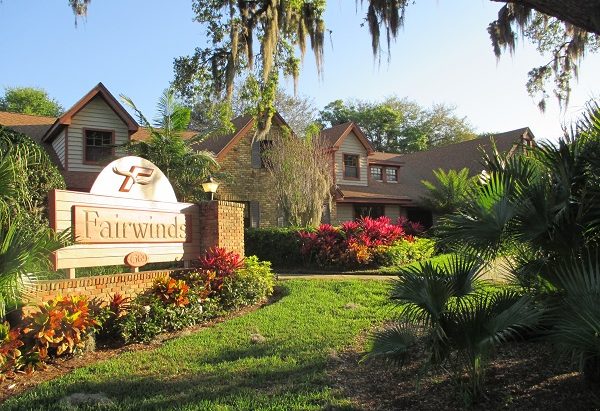
Fairwinds Treatment Center provides treatment for mental health, substance abuse and eating disorders. They’re accredited by The Joint Commision and offer inpatient detox as part of their residential program. They also treat clients with a dual diagnosis.
They also have a special track for seniors that cater to substance use disorders that can be influenced by the aging process and how your bodies and minds change as you grow older. It’s part of their commitment to inclusion and making sure that every member of your community is valued.
Fairwinds doesn’t offer detox as a stand-alone program, but does include it as part of their holistic care plan to help you recover from addiction. The first step is an evaluation that includes a physical exam, lab work, medical history and biopsychosocial assessment. Your detox program will be based on the substances you’ve used, your current health and your withdrawal symptoms.
Your personalized treatment plan will be designed with your safety and wellness at the center. You’ll go through the detox process with a team consisting of physicians, therapists, counselors and medical professionals in behavioral medicine. Generally, this process lasts 3-5 days, during which you will be under the care of nurses and addiction doctors. You’ll be prescribed medication to help ease the main symptoms of withdrawal.
Your healing will be supported by the warm and cottage-like residence you’ll stay in. You’ll stay in private or semi-private comfortable bedrooms that feel just like home. You’ll have access to an outdoor basketball court, swimming pool, an arts and crafts room and lots of bright and well-lit lounge areas.
At Fairwinds, you’ll enjoy healthy meals overseen by a registered dietician. I like that you get weekly nutrition education classes as well as individual time with the dietitian to make your meal plans.
| Levels of Care | Detox Service Setting | Programs | Payment Options | ||||
|---|---|---|---|---|---|---|---|
|
In outpatient therapy, you’ll attend therapy sessions several times each week while living at home. This is ideal if you have a strong support system and a lower risk of relapse. Outpatient treatment offers flexibility to maintain work, school or family obligations. |
Dual diagnosis programs address substance use disorders and co-occurring mental health conditions simultaneously. This integrated approach to care improves the likelihood of long term recovery and stability by addressing the root causes of addiction. |
||||||
|
Inpatient detox occurs in a dedicated treatment facility. You’ll live there around the clock and receive intensive medical support and supervision to help manage your withdrawal symptoms. It is suitable for individuals with moderate to severe addictions as it ensures a stable detox environment. |
Outpatient detox gives you access to medically supervised withdrawal services while still allowing you to live at home. You’ll attend a clinic for treatment and monitoring. This flexible option is suitable for those with mild to moderate withdrawal symptoms who have strong support systems. |
Medication assisted treatment combines medication and counseling to manage withdrawal and reduce cravings for opioid and alcohol addiction. Medications may include methadone, buprenorphine or naltrexone. MAT is tailored to your needs so you can actively participate in your treatment journey. |
|||||
|
Teen (13 - 18)
|
Adult programs address the substance use and life challenges specific to adults. Therapists can deliver sessions in individual, group and family settings. Services often include job support and life skills training in a structured environment.
|
Young adult programs are designed for individuals who are transitioning into adulthood. Topics of discussion typically include identity, independence and peer relationships. Providers may also offer life skills training and career support.
|
Senior programs address the unique needs of older adults like chronic pain, grief and isolation. Programs include peer support and medical oversight for age related health concerns. The goal is to improve quality of life and promote sober aging.
|
Women's programs offer a safe and supportive space to focus on gender specific issues such as trauma, family roles and mental health conditions. Therapists tailor the sessions to address women's needs and foster empowerment in a healing and nurturing environment.
|
Men's programs address substance use while also considering the social pressures, family roles and mental health concerns that are specific to men. You’ll learn healthy coping mechanisms as you build emotional resilience and develop communication skills.
|
Cognitive behavioral therapy focuses on changing harmful thought patterns and behaviors associated with addiction. You’ll learn healthier coping mechanisms by identifying and replacing negative thoughts. This improves your emotional resilience and decreases your relapse potential.
|
EMDR stands for eye movement desensitization and reprocessing therapy. It helps you process traumatic memories that may underlie addiction. You’ll learn how to reduce emotional distress and begin healing from past events. This makes it effective for trauma related addiction causes.
|
|
Medicaid
|
Medicare
|
Sliding Scale Payment
|
Private Insurance
|
Levels of Care
In outpatient therapy, you’ll attend therapy sessions several times each week while living at home. This is ideal if you have a strong support system and a lower risk of relapse. Outpatient treatment offers flexibility to maintain work, school or family obligations.
Dual diagnosis programs address substance use disorders and co-occurring mental health conditions simultaneously. This integrated approach to care improves the likelihood of long term recovery and stability by addressing the root causes of addiction.
Detox Service Setting
Inpatient detox occurs in a dedicated treatment facility. You’ll live there around the clock and receive intensive medical support and supervision to help manage your withdrawal symptoms. It is suitable for individuals with moderate to severe addictions as it ensures a stable detox environment.
Outpatient detox gives you access to medically supervised withdrawal services while still allowing you to live at home. You’ll attend a clinic for treatment and monitoring. This flexible option is suitable for those with mild to moderate withdrawal symptoms who have strong support systems.
Medication assisted treatment combines medication and counseling to manage withdrawal and reduce cravings for opioid and alcohol addiction. Medications may include methadone, buprenorphine or naltrexone. MAT is tailored to your needs so you can actively participate in your treatment journey.
Programs
Amenities
Accreditations

Accepted Insurance
Contact


- Monday Open 24 hours
- Tuesday Open 24 hours
- Wednesday Open 24 hours
- Thursday Open 24 hours
- Friday Open 24 hours
- Saturday Open 24 hours
- Sunday Open 24 hours

Mari Mendoza is an Ontario-based writer and facilitator. She has close to 20 years of writing experience and has written web content for a wide range of topic including mental health. She holds an BA in English from University of Toronto.

Peter W.Y. Lee is a historian with a focus in American Cold War culture. He has examined how popular culture has served as a coping mechanism for the challenges and changes impacting American society throughout the twentieth century.
Detox.com regularly reviews this listing for accuracy but changes may occur between updates. For the most up-to-date information, please contact Grant Blackford Mental Health Inc Cornerstone Behavioral Health.
Nearby Detox Centers


Search by Florida Cities
FAQs
Does Cornerstone Behavioral Health in Marion offer outpatient substance abuse treatment?
Yes, Cornerstone Behavioral Health provides outpatient substance abuse treatment services in Marion, Indiana. The facility offers substance abuse counseling, 12-step facilitation, relapse prevention, and substance abuse education as part of its outpatient addiction treatment programs designed to help individuals overcome substance abuse and addiction.
What therapy types are used for addiction treatment at Cornerstone Behavioral Health?
Cornerstone Behavioral Health uses multiple therapy approaches for substance abuse treatment, including cognitive behavioral therapy, dialectical behavior therapy, and trauma therapy alongside substance abuse counseling and relapse prevention. The facility also offers individual, group, and family therapy as part of integrated treatment services.
Does Cornerstone Behavioral Health treat co-occurring mental health and substance use disorders?
Yes, Cornerstone Behavioral Health is a dual diagnosis treatment center that provides integrated treatment for individuals with co-occurring mental health and substance use disorders. The facility offers psychiatric services including medication management and psychiatric evaluation alongside counseling and therapy services.
What age groups does Cornerstone Behavioral Health serve for addiction treatment?
Cornerstone Behavioral Health serves children, adolescents, young adults, and adults, with specialized programming for teens (13-18), young adults (18-25), and adults 18 and older. The facility tailors outpatient substance abuse treatment to meet the needs of different age groups in Marion, Indiana.
What insurance and payment options does Cornerstone Behavioral Health accept?
Cornerstone Behavioral Health accepts Medicaid, Medicare, and private health insurance. The facility also offers a sliding scale payment option based on income and other factors for individuals without insurance coverage or as a supplemental payment option.
Does Cornerstone Behavioral Health offer crisis intervention services?
Yes, Cornerstone Behavioral Health provides crisis intervention services as part of its community-based behavioral health offerings. The facility emphasizes coordinated, integrated care that includes crisis-related services alongside outpatient mental health and substance use treatment in Marion.