800-671-4304
About Friendship Club
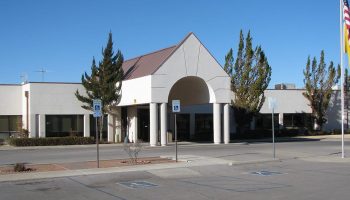
Friendship Club is a nonprofit community center in Santa Fe, New Mexico that provides a safe meeting space for individuals in recovery from alcohol, drugs, eating disorders, gambling, and other addictions through 12-step fellowship programs.
Operating 365 days a year since 1979, the center hosts over 65 meetings weekly and welcomes 200-250 people daily seeking recovery support including Spanish speakers, LGBTQIA+ individuals, young adults, and families affected by addiction.
12-Step Fellowship Meetings for Lasting Recovery
Friendship Club hosts multiple 12-step fellowship meetings including Alcoholics Anonymous, Narcotics Anonymous, Overeaters Anonymous, Al-Anon, Al-Ateen, Gamblers Anonymous, and All Addicts Anonymous.
With over 45 years of continuous operation, the center offers various meeting formats such as Big Book studies, step studies, open meetings, meditation groups, and breathwork sessions throughout the day.
Both in-person and hybrid Zoom meetings are available. Early morning through evening meeting times accommodate different schedules while specialty groups include young people’s meetings, men’s meetings, and Spanish language meetings .
Inclusive Community and Wellness Support
Beyond traditional 12-step meetings, Friendship Club offers complementary wellness practices including yoga, movement therapy, somatic classes, and Recovery Dharma meetings. The center features a coffee bar, bookstore, and even an on-site podcast studio hosting the High Desert Sobriety podcast, which reaches 20,000 listeners worldwide with recovery stories.
Although they do not offer detox services they can refer those in need to a local detox center. All meetings and services are free and open to anyone seeking recovery support.
| Levels of Care | Detox Service Setting | Programs | Payment Options |
|---|---|---|---|
|
Inpatient and residential programs provide round-the-clock medical and emotional support as you live at the treatment facility. This level of care may be recommended if you have severe addictions or mental health conditions since it removes outside distractions and allows you to focus solely on therapy. |
In outpatient therapy, you’ll attend therapy sessions several times each week while living at home. This is ideal if you have a strong support system and a lower risk of relapse. Outpatient treatment offers flexibility to maintain work, school or family obligations. |
||
|
Inpatient detox occurs in a dedicated treatment facility. You’ll live there around the clock and receive intensive medical support and supervision to help manage your withdrawal symptoms. It is suitable for individuals with moderate to severe addictions as it ensures a stable detox environment. |
Outpatient detox gives you access to medically supervised withdrawal services while still allowing you to live at home. You’ll attend a clinic for treatment and monitoring. This flexible option is suitable for those with mild to moderate withdrawal symptoms who have strong support systems. |
||
|
Alcohol detox programs offer medical support to help individuals withdraw safely from alcohol. Your care team may use medications to ease your symptoms and provide medical monitoring to address complications. |
Drug detox programs support individuals who are withdrawing from addictive substances like cocaine and heroin. Medical support helps you manage symptoms in a controlled and safe environment so you can achieve initial sobriety. |
||
|
Private Insurance
|
Self Pay
|
Levels of Care
Inpatient and residential programs provide round-the-clock medical and emotional support as you live at the treatment facility. This level of care may be recommended if you have severe addictions or mental health conditions since it removes outside distractions and allows you to focus solely on therapy.
In outpatient therapy, you’ll attend therapy sessions several times each week while living at home. This is ideal if you have a strong support system and a lower risk of relapse. Outpatient treatment offers flexibility to maintain work, school or family obligations.
Detox Service Setting
Inpatient detox occurs in a dedicated treatment facility. You’ll live there around the clock and receive intensive medical support and supervision to help manage your withdrawal symptoms. It is suitable for individuals with moderate to severe addictions as it ensures a stable detox environment.
Outpatient detox gives you access to medically supervised withdrawal services while still allowing you to live at home. You’ll attend a clinic for treatment and monitoring. This flexible option is suitable for those with mild to moderate withdrawal symptoms who have strong support systems.
Programs
Alcohol detox programs offer medical support to help individuals withdraw safely from alcohol. Your care team may use medications to ease your symptoms and provide medical monitoring to address complications.
Drug detox programs support individuals who are withdrawing from addictive substances like cocaine and heroin. Medical support helps you manage symptoms in a controlled and safe environment so you can achieve initial sobriety.
Contact



Kimberly Hawkins holds a Masters degree in Computing and Information Sciences from East Tennessee State University. She is also a freelance writer specializing in content related to mental health, addiction recovery, and overall wellness. On Valentine’s Day of 2024, Kimberly’s only sibling passed away of an accidental drug overdose. Since then, Kimberly has become a passionate advocate for addiction recovery awareness and support.