800-262-4205
Healing Transitions



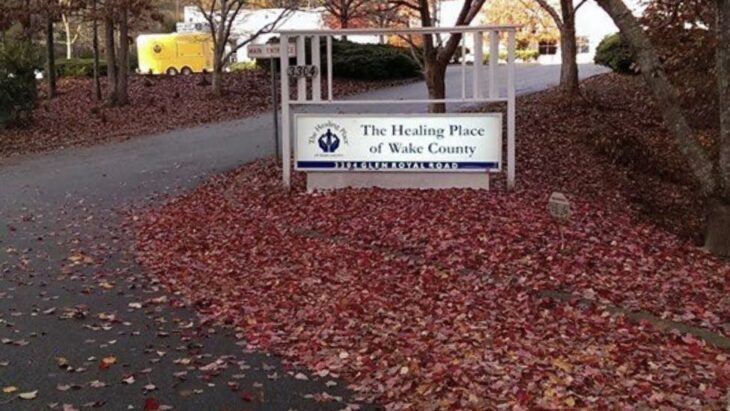
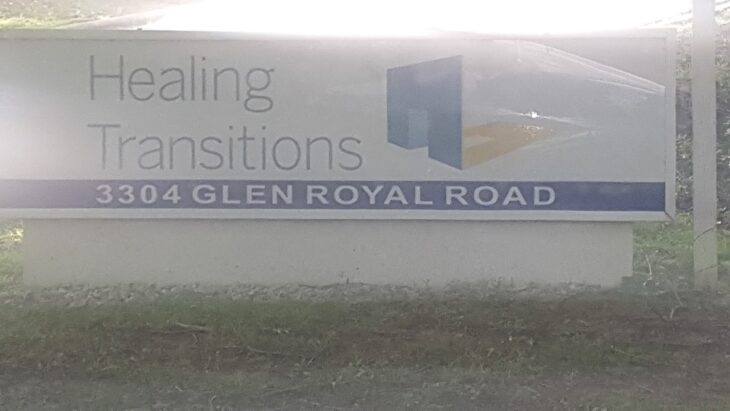


About Healing Transitions
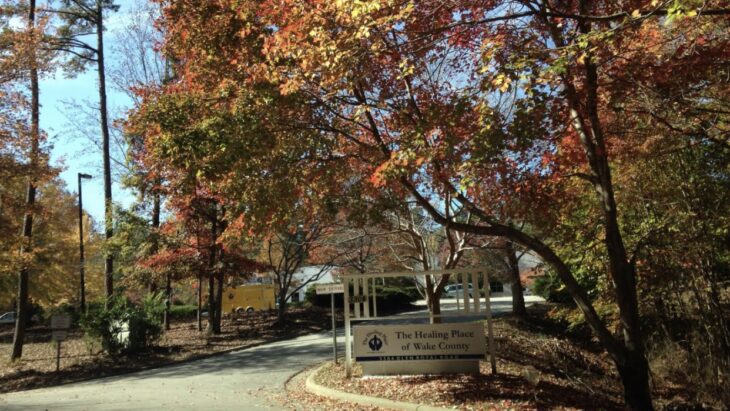
Healing Transitions in Raleigh, North Carolina, offers treatment programs for adult women struggling with substance use issues at no cost to them. Specializing in the treatment of underserved and uninsured individuals, Healing Transitions offers both a non-medical detox program and a long-term recovery program to help those with addiction live a life a more fulfilling life, free of substances.
The non-medical detox program provides services 24 hours a day, seven days a week to offer a safe place for women to detox. Clients are assessed with validated withdrawal tools to determine if they need a higher level of care in a medically managed detox facility or emergency department. When in Healing Transitions, non-medical detox clients are linked to further resources to help them continue their recovery journey.
Following detox, clients can transition into the long-term recovery program which offers several tracks. In the Motivation and Engagement Track, clients attend Recovery Dynamics classes and 12-step recovery meetings in exchange for a bed and a place to store their belongings. This track is designed to allow clients to explore whether they want to commit to the full recovery program.
In the Commit to Recovery Track, additional services are added to the program which includes job readiness and life skills classes taught by Wake Technical Community College. Following these skills classes, clients focus on gaining employment and supported housing to help them transition into the community.
| Levels of Care | Detox Service Setting | Programs | Payment Options |
|---|---|---|---|
|
After detox, participants may enter the long-term residential recovery program, a peer-led community grounded in Alcoholics Anonymous principles with daily 12-step meetings, sponsorship, case management, and life-skills development on the Healing Transitions campus. |
Outpatient services provide continued support for individuals in recovery through groups and recovery-focused programming. These community-based services help Raleigh participants sustain progress after residential treatment while staying connected to the broader Healing Transitions recovery community. |
Recovery housing at Healing Transitions serves individuals who have completed the residential program and are ready for more independence. This step-down option lets participants practice new skills while remaining part of the wider recovery community. |
Aftercare includes step-down services such as recovery housing, outpatient groups, and community-based recovery resources. Together these continuing options help participants sustain recovery after initial stabilization and maintain progress built in residential programming. |
|
Healing Transitions operates a non-medical, social model detoxification program at its Raleigh campus, giving individuals a safe, supportive environment to begin recovery from alcohol and other drugs. The experience is peer-supported rather than medically managed. |
Outpatient detox gives you access to medically supervised withdrawal services while still allowing you to live at home. You’ll attend a clinic for treatment and monitoring. This flexible option is suitable for those with mild to moderate withdrawal symptoms who have strong support systems. |
||
|
The non-medical detox offers a safe place for individuals starting recovery from alcohol, with peers in recovery providing steady encouragement throughout withdrawal and a clear pathway into longer-term residential care. |
Alongside alcohol, the social model detox supports individuals withdrawing from other drugs. Peer connection and a stable, structured setting help participants prepare for the long-term residential treatment phase that follows. |
The Healing Transitions Women’s Campus at 3304 Glen Royal Rd in Raleigh offers gender-specific services for women, including non-medical detox, longer-term residential recovery programming, and ongoing peer-based supports within a structured recovery community. |
A dedicated Men’s Campus at 1251 Goode St in Raleigh extends the same peer-based model, offering non-medical detox and long-term recovery programming for men with alcoholism and other drug addictions. |
|
Private Insurance
|
Self Pay
|
Levels of Care
After detox, participants may enter the long-term residential recovery program, a peer-led community grounded in Alcoholics Anonymous principles with daily 12-step meetings, sponsorship, case management, and life-skills development on the Healing Transitions campus.
Outpatient services provide continued support for individuals in recovery through groups and recovery-focused programming. These community-based services help Raleigh participants sustain progress after residential treatment while staying connected to the broader Healing Transitions recovery community.
Recovery housing at Healing Transitions serves individuals who have completed the residential program and are ready for more independence. This step-down option lets participants practice new skills while remaining part of the wider recovery community.
Aftercare includes step-down services such as recovery housing, outpatient groups, and community-based recovery resources. Together these continuing options help participants sustain recovery after initial stabilization and maintain progress built in residential programming.
Detox Service Setting
Healing Transitions operates a non-medical, social model detoxification program at its Raleigh campus, giving individuals a safe, supportive environment to begin recovery from alcohol and other drugs. The experience is peer-supported rather than medically managed.
Outpatient detox gives you access to medically supervised withdrawal services while still allowing you to live at home. You’ll attend a clinic for treatment and monitoring. This flexible option is suitable for those with mild to moderate withdrawal symptoms who have strong support systems.
Programs
The non-medical detox offers a safe place for individuals starting recovery from alcohol, with peers in recovery providing steady encouragement throughout withdrawal and a clear pathway into longer-term residential care.
Alongside alcohol, the social model detox supports individuals withdrawing from other drugs. Peer connection and a stable, structured setting help participants prepare for the long-term residential treatment phase that follows.
The Healing Transitions Women’s Campus at 3304 Glen Royal Rd in Raleigh offers gender-specific services for women, including non-medical detox, longer-term residential recovery programming, and ongoing peer-based supports within a structured recovery community.
A dedicated Men’s Campus at 1251 Goode St in Raleigh extends the same peer-based model, offering non-medical detox and long-term recovery programming for men with alcoholism and other drug addictions.
Amenities
Contact



Susan is a freelance writer and photographer who loves writing from home with her dog, Jack Bauer, at her feet. Having transcribed patient charts in a mental health and addiction treatment hospital, she’s well informed on the subject of substance use and co-occurring disorder treatment. She’s experienced in content creation and writes her own photography blog and newsletter.

Courtney Myers writes and edits professionally from her home in North Carolina. She holds an MS in Technical Communication from N.C. State University and has worked in proposal management, marketing, and online content creation. She specializes in creating resources related to behavioral health and addiction recovery.
Detox.com regularly reviews this listing for accuracy but changes may occur between updates. For the most up-to-date information, please contact Healing Transitions.