919-289-3798
Freedom Detox
Gastonia, NC
28054
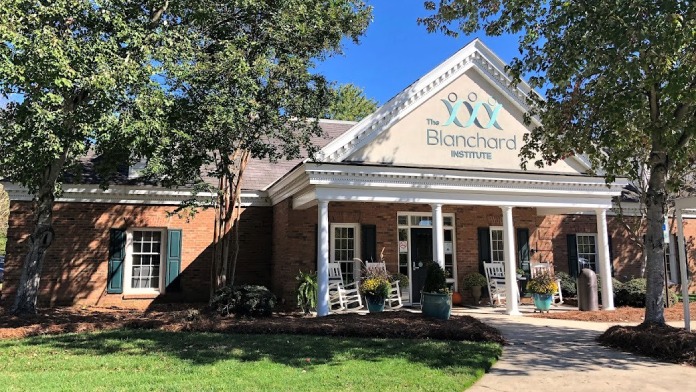
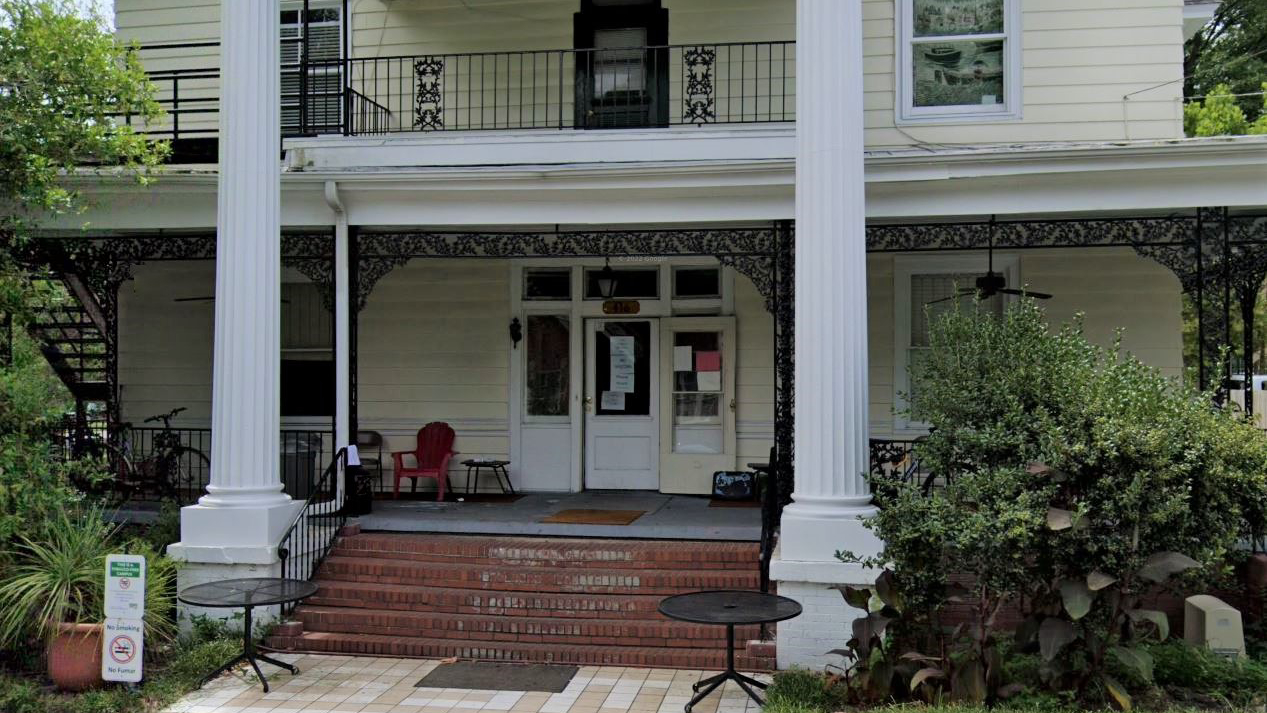
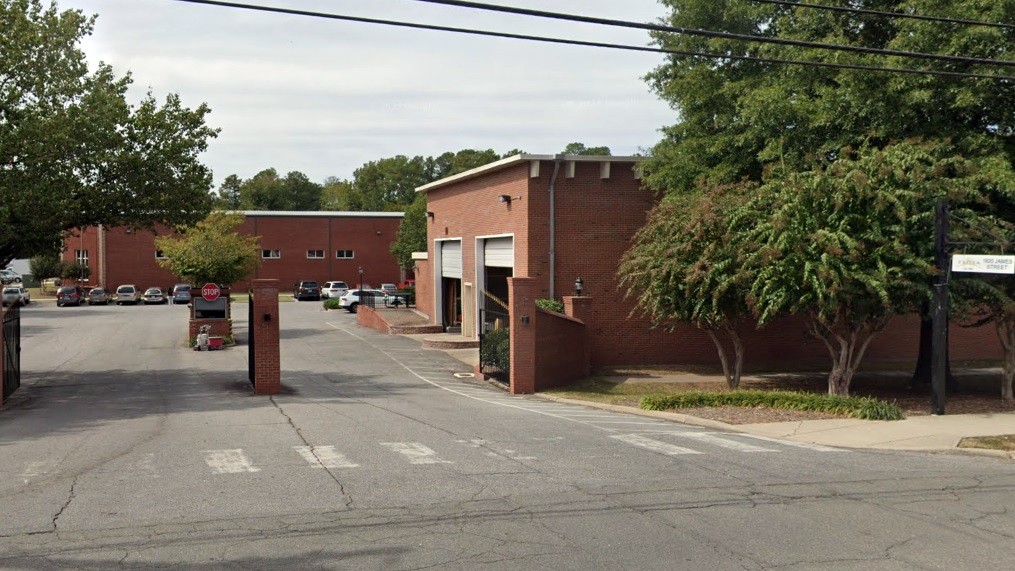
| Name | Address | Detox Service Setting | Levels Of Care | Media |
|---|---|---|---|---|
The Insight Program |
103 Towerview Ct Cary, NC 27513 |
Detox Service Setting
Outpatient DetoxMAT
|
Levels Of Care
OutpatientAftercareIntervention
|
|
The STOP Clinic |
875 Walnut St Cary, NC 27511 |
Detox Service Setting
Inpatient DetoxOutpatient Detox
|
Levels Of Care
InpatientOutpatient
|
|
Healing Transitions |
3304 Glen Royal Rd Raleigh, NC 27617 |
Detox Service Setting
Inpatient DetoxOutpatient Detox
|
Levels Of Care
InpatientOutpatient
|

|
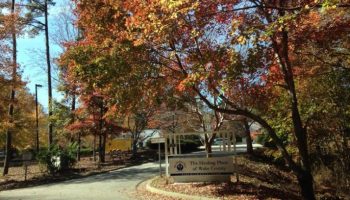
Healing Transitions Womens Campus |
3304 Glen Royal Road Raleigh, NC 27617 |
Detox Service Setting
Inpatient Detox
|
Levels Of Care
Inpatient
|
|
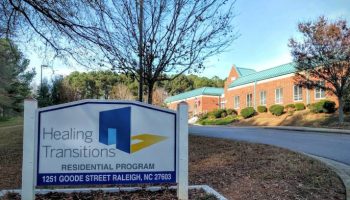
Healing Transitions Men Campus |
1251 Goode Street Raleigh, NC 27603 |
Detox Service Setting
Inpatient DetoxOutpatient Detox
|
Levels Of Care
InpatientOutpatient
|
|
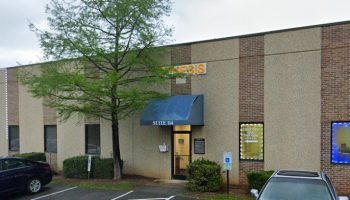
Genesis DWI Services |
319 Chapanoke Road Raleigh, NC 27603 |
Detox Service Setting
Inpatient DetoxOutpatient Detox
|
Levels Of Care
InpatientOutpatient
|
|
Wake County VA Clinic |
3040 Hammond Business Place Raleigh, NC 27603 |
Detox Service Setting
Outpatient DetoxMAT
|
Levels Of Care
Outpatient
|
|
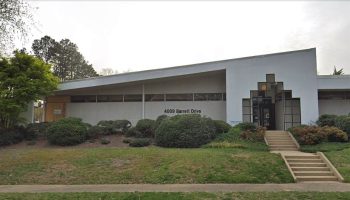
The Carter Clinic, P.A. |
4009 Barrett Drive Raleigh, NC 27609 |
Detox Service Setting
Outpatient DetoxMAT
|
Levels Of Care
OutpatientDual Diagnosis
|
|
SouthLight Healthcare |
2101 Garner Road Raleigh, NC 276104687 |
Detox Service Setting
Outpatient DetoxMAT
|
Levels Of Care
InpatientOutpatientPHP
|
|
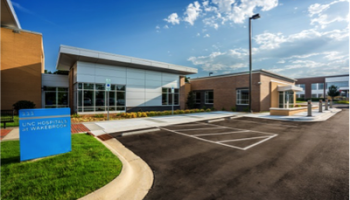
Wake County Crisis Stabilization Center |
107 Sunnybrook Road Raleigh, NC 27610 |
Detox Service Setting
Outpatient DetoxMAT
|
Levels Of Care
InpatientOutpatientPHP
|
|
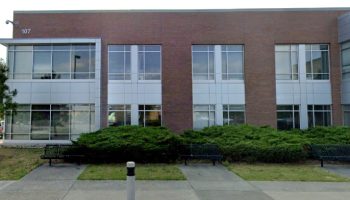
Unc Health Care Alcohol And Drug Detoxification Unit At Wakebrook |
107 Sunnybrook Rd Raleigh, NC 27610 |
Detox Service Setting
Inpatient DetoxOutpatient Detox
|
Levels Of Care
InpatientOutpatient
|
|
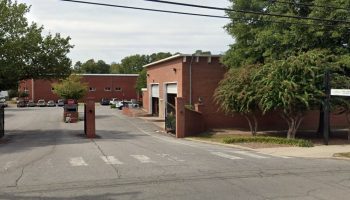
Triangle Residential Options for Substance Abusers |
1820 James Street Durham, NC 27707 |
Detox Service Setting
Inpatient Detox
|
Levels Of Care
InpatientAftercareDual Diagnosis
|
|
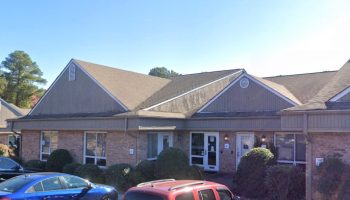
Eleanor Health |
2402 South Miami Boulevard Durham, NC 27703 |
Detox Service Setting
Inpatient DetoxOutpatient DetoxMAT
|
Levels Of Care
InpatientOutpatient
|
|
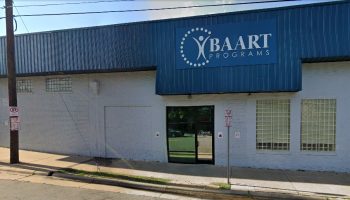
Baart Programs Durham |
800 N Mangum St Durham, NC 27701 |
Detox Service Setting
Inpatient DetoxOutpatient Detox
|
Levels Of Care
InpatientOutpatient
|
|
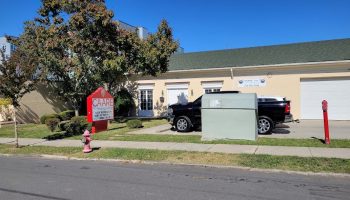
CAARE -The Healing Center |
214 Broadway Street Durham, NC 27701 |
Detox Service Setting
Outpatient Detox
|
Levels Of Care
OutpatientAftercareSober Living+1
|
|
Cary sits within Wake County, one of North Carolina’s fastest-growing counties, and is home to a well-resourced public behavioral health system.
All drug and alcohol detox and substance use disorder (SUD) facilities operating in Cary must hold a license issued by the Mental Health Licensure and Certification Section (MHLCS) of the NC Division of Health Service Regulation (DHSR). Its operating authority derives from NC General Statute 122C-28. All clinical standards, staffing requirements, safety protocols and ongoing compliance are governed under this licensure framework.
North Carolina expanded Medicaid in 2023, extending eligibility to adults up to 138% of the federal poverty level and making medically supervised detox more accessible for uninsured residents seeking care in the Cary area.
Wake County has also committed substantial public resources to addressing the local overdose crisis. In fact, the county expects to receive nearly $76 million in opioid settlement funds over 18 years, with community-approved plans directing resources toward treatment access, naloxone distribution and recovery support programs.
North Carolina expanded Medicaid in 2023, extending eligibility to adults up to 138% of the federal poverty level and making medically supervised detox more accessible for uninsured residents seeking care in the Cary area.
Detox costs in Cary and Wake County vary by level of care, clinical complexity and payment source.How much detox costs depends on the substances involved, whether care is provided in a hospital, residential facility or outpatient setting, and the length of stay. Private insurance, NC Medicaid, and publicly funded programs all offer pathways to reduce your out-of-pocket expenses.
The cost of detox in Cary tracks with state and national ranges. Medical complexity, daily medication needs and withdrawal severity can all affect the final cost. NC Medicaid expansion and opioid settlement-funded programs have improved access for residents who cannot pay privately.
Private health insurers in North Carolina must comply with the Affordable Care Act and the federal Mental Health Parity and Addiction Equity Act, which require substance use disorder treatment benefits to be comparable to coverage for other medical conditions. The NC Department of Insurance oversees compliance with these requirements.
Residents can verify network status and SUD coverage details through healthcare.gov or directly with their insurer.
The most common private insurance plans in the Cary and Wake County area include:
Medicare covers medically necessary detox for Wake County beneficiaries, though the specifics depend on where care happens.
Part A covers inpatient hospital detox and withdrawal management, subject to the annual deductible. Part B covers outpatient detox services and medication for opioid use disorder, including methadone, buprenorphine and naltrexone, when dispensed through a SAMHSA-certified Opioid Treatment Program such as those serving the Raleigh-Cary area.
Residents dually eligible for Medicare and Medicaid, including through the Alliance Health Tailored Plan, pay little to nothing out of pocket for covered services.
In an important move, NC Medicaid expanded in 2023, extending eligibility to adults earning up to 138% of the federal poverty level.
Wake County residents with Medicaid who have complex or severe substance use needs are served through the Alliance Health Tailored Plan, which launched July 1, 2024, and covers withdrawal management, medically supervised detox and integrated behavioral health in one plan. As well, standard NC Medicaid plans also cover social setting detox and outpatient withdrawal management services.
Other ways to pay for rehab in Cary include:

Alliance Health manages publicly funded SUD services for uninsured and underinsured Wake County residents who do not qualify for Medicaid. Contact Alliance Health at (877) 223-4617 for eligibility information.
Wake County has allocated millions in settlement funding to expand MAT access, naloxone distribution and recovery support for uninsured and underinsured residents.
Many nonprofit and community-based providers in Wake County offer adjusted fees based on income.
Veterans may access SUD treatment through VA-affiliated community-based providers in the Raleigh and Cary area.
Drug and alcohol detox facilities in Cary operate under a layered regulatory framework involving state licensing, managed care oversight and federal rules for programs providing controlled substances.
Residents seeking medication-assisted detox will find a growing provider network in Wake County, supported by recent expansions to Medicaid access, mobile treatment units and publicly funded programs.
The NC DHHS Division of Mental Health, Developmental Disabilities and Substance Use Services establishes the clinical service definitions, coverage policies and quality standards governing all substance use disorder treatment in North Carolina.
This division also oversees state-funded service authorizations, Medicaid clinical coverage policies and implementation of the NC Opioid and Substance Use Action Plan, which guides county-level overdose prevention and treatment efforts statewide.
DHSR/MHLCS is the sole licensing authority for behavioral health treatment facilities in North Carolina, including all detox and withdrawal management programs in Wake County. Under NC General Statute 122C-28, facilities providing SUD services to two or more adults must hold a current license.
MHLCS conducts facility inspections, investigates complaints and enforces clinical, safety and staffing standards for all licensed programs.
Alliance Health manages public behavioral health and SUD services for Wake County residents in two roles: as the Local Management Entity and Managed Care Organization (LME/MCO) coordinating state-funded services, and as administrator of the Alliance Health Tailored Plan for Medicaid members with complex behavioral health or SUD needs.
Alliance Health authorizes services, maintains the licensed provider network and serves as the primary public access point for SUD care in the county.
Medication-assisted treatment (MAT) in Cary is regulated at both the federal and state levels. SAMHSA, the DEA, and the NC DHHS share oversight of programs that prescribe or dispense controlled substances for opioid use disorder.
Encouragingly, the greater Raleigh and Cary area has multiple licensed Opioid Treatment Programs (OTPs) and a growing network of office-based providers.
Widely accessible in the Cary area, buprenorphine can be prescribed by any licensed provider who has met SAMHSA training requirements under the MATE Act. It is available through outpatient clinics and via telehealth, giving patients the flexibility to begin treatment without traveling far from home.
Restricted to SAMHSA-certified Opioid Treatment Programs, methadone is not available at standard pharmacies. The Raleigh area has certified OTPs providing daily supervised dosing. Alliance Health’s Tailored Plan covers methadone treatment for eligible Medicaid members.
Requires no special licensing to prescribe and carries no abuse potential. The injectable form (Vivitrol) is widely available in Wake County, commonly used in programs serving people involved in the justice system, and is covered by NC Medicaid.
Wake County has built a meaningful harm reduction network that has grown substantially through opioid settlement funding and state investment since 2020.
Community organizations, public health agencies, and peer-led programs provide free naloxone, syringe services, peer support, and connections to treatment across the county. With fentanyl detected in the majority of NC overdose deaths, access to overdose reversal medication and low-barrier services is especially critical for people who use drugs in the Cary area.
NCHRC serves Wake and Johnston counties through fixed-site and mobile peer-based outreach. Participants receive sterile supplies, naloxone kits and connections to treatment.
You can contact NCHRC directly at nchrc.org or (984) 800-4124 to confirm current service locations and hours, as the program has recently updated its fixed-site location.
Wake County Public Health distributes free naloxone kits and trains community members in overdose recognition and response. Under North Carolina’s statewide standing order, anyone can obtain naloxone at a pharmacy without an individual prescription.
Wake County opioid settlement funds have supported active distribution, with county staff training over 345 individuals and distributing more than 1,000 kits between July 2024 and August 2025.
Promise Resource Network opened its Raleigh Recovery Café in February 2026 with support from NC DHHS and Alliance Health. Their peer-run space functions as a low-barrier alternative to emergency care for people leaving hospitals, treatment programs or crisis services.
Additionally, their Peer Warmline fields more than 110,000 calls per year statewide and works alongside NC’s 988 Suicide and Crisis Lifeline.
Wake County has seen a meaningful decline in overdose deaths in recent years, driven by expanded naloxone access, Medicaid expansion and growing treatment infrastructure. However, the burden remains significant, as fentanyl continues to drive the majority of overdose fatalities both locally and statewide.
Wake County recorded an estimated 158 overdose deaths in 2024, a 35% decline from 2023 and the most significant single-year drop the county has seen.
Fentanyl and other synthetic opioids were present in 71% of all North Carolina drug overdose deaths in 2024, making synthetic opioids the dominant driver of fatalities statewide.
Wake County expects to receive nearly $76 million in opioid settlement funds over 18 years, directed toward prevention, treatment access, naloxone distribution and recovery support programs.
The clearest starting point for most Wake County residents is Alliance Health, the local LME/MCO that manages public behavioral health and SUD services for the region. Alliance can confirm Medicaid eligibility, connect uninsured residents with state-funded programs and provide referrals into the licensed provider network.
You can reach Alliance Health’s crisis and access line at (877) 223-4617, available 24 hours a day.
People with private insurance can also call their plan’s behavioral health line or use the SAMHSA National Helpline at 1-800-662-4357 for treatment locator services.
Yes. Wake County Medicaid members with complex or severe substance use disorder needs are enrolled in the Alliance Health Tailored Plan, which launched July 1, 2024. Tailored Plans cover withdrawal management and medically supervised detox services, along with integrated physical health, pharmacy and behavioral health.
Standard NC Medicaid members may also access social setting detox and outpatient withdrawal management through their Standard Plan.
Yes. Under North Carolina’s statewide standing order, any resident can obtain naloxone (Narcan) at a pharmacy without an individual prescription.
Free naloxone kits are also available at Wake County Public Health and through the NC Harm Reduction Coalition, which serves Wake County.
Yes. North Carolina’s Good Samaritan law (N.C.G.S. 90-96.2) provides limited legal protection to individuals who call 911 in good faith to seek emergency assistance for a drug overdose.
Under this law, the person placing the call and the person experiencing the overdose are both protected from prosecution for certain drug possession offenses in that situation. This helps to remove fear as a barrier to calling for help during a life-threatening emergency.
Yes. Uninsured and underinsured Wake County residents can access publicly funded SUD treatment through the Alliance Health provider network. Alliance Health manages state-funded services for people who do not qualify for Medicaid and need care that is not covered by their health plans.
Wake County opioid settlement funding has also supported expanded MAT access for people without insurance. Contacting Alliance Health directly at (877) 223-4617 is the most reliable way for you to find currently available programs and determine your eligibility.