

 919-289-3798
Freedom Detox
Gastonia, NC
28054
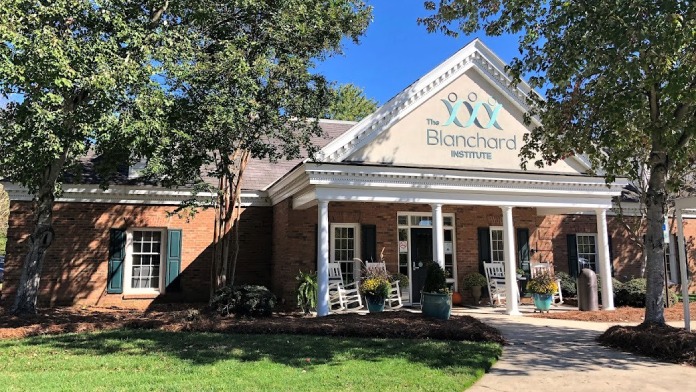
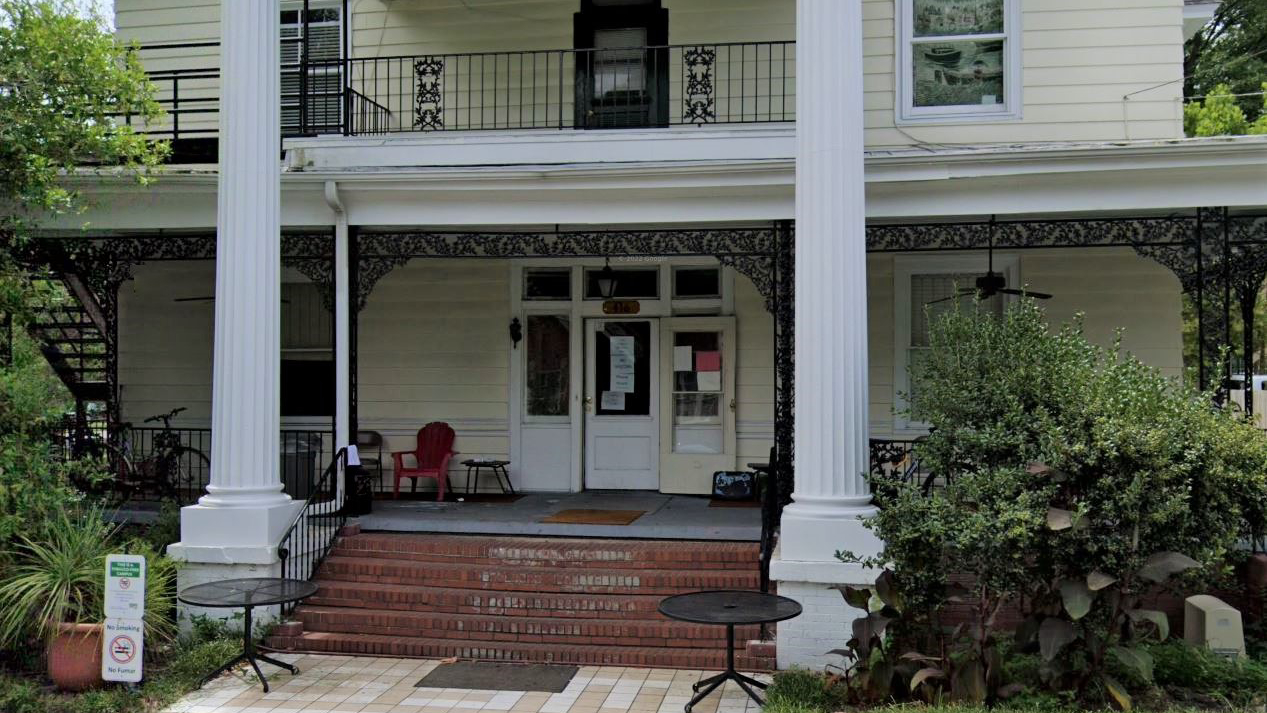
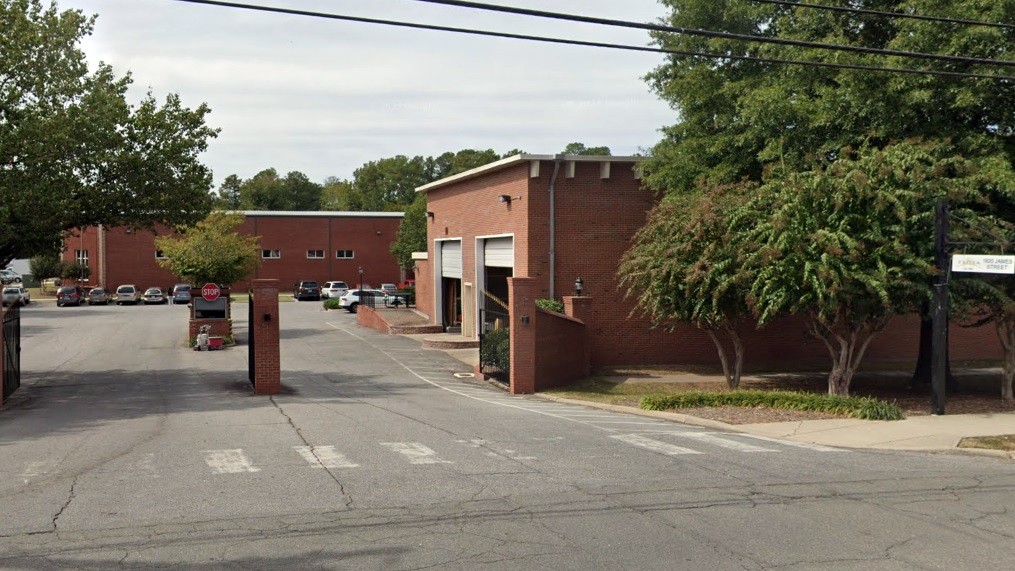
| Name | Address | Detox Service Setting | Levels Of Care | Media |
|---|---|---|---|---|
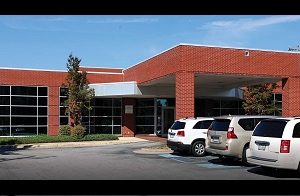
Alcohol And Drug Services – Ads |
1101 Carolina Street Greensboro, NC 27401 |
Detox Service Setting
Inpatient DetoxMAT
|
Levels Of Care
Outpatient
|
|
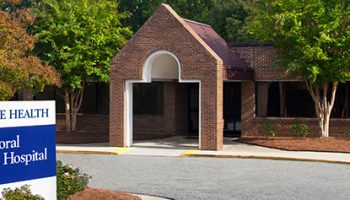
Behavioral Health Hospital |
700 Walter Reed Drive Greensboro, NC 27403 |
Detox Service Setting
Hospital DetoxInpatient DetoxOutpatient Detox
|
Levels Of Care
InpatientOutpatientPHP
|
|
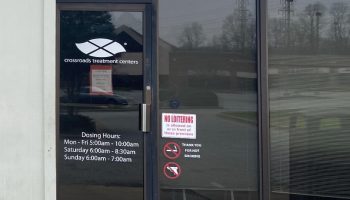
Crossroads of Greensboro, NC |
2706 North Church Street Greensboro, NC 27405 |
Detox Service Setting
Outpatient DetoxMAT
|
Levels Of Care
OutpatientDual Diagnosis
|
|
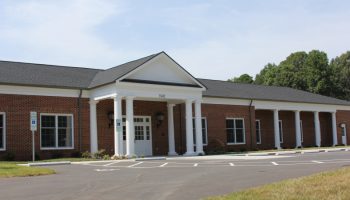
Fellowship Hall |
5140 Dunstan Road Greensboro, NC 27405 |
Detox Service Setting
Hospital DetoxInpatient DetoxOutpatient Detox+1
|
Levels Of Care
InpatientOutpatientDual Diagnosis+3
|
|
New Season Treatment Center – Greensboro |
207 South Westgate Drive Greensboro, NC 27407 |
Detox Service Setting
Outpatient DetoxMAT
|
Levels Of Care
InpatientOutpatientPHP
|
|
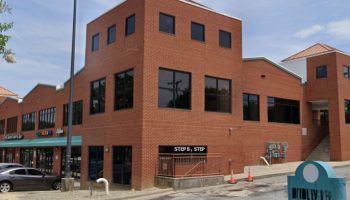
Step By Step Care |
709 E Market St Greensboro, NC 27401 |
Detox Service Setting
Inpatient DetoxOutpatient Detox
|
Levels Of Care
InpatientOutpatient
|
|
The Ringer Center |
213 East Bessemer Avenue Greensboro, NC 27401 |
Detox Service Setting
Outpatient DetoxMAT
|
Levels Of Care
OutpatientDual DiagnosisInpatient
|
|
Fellowship Hall – Greensboro |
5140 Dunstan Rd Greensboro, NC 27405 |
Detox Service Setting
Inpatient DetoxOutpatient Detox
|
Levels Of Care
InpatientOutpatientAftercare+3
|
|
Monarch – Guilford |
3200 Northline Ave Greensboro, NC 27408 |
Detox Service Setting
Inpatient DetoxOutpatient Detox
|
Levels Of Care
InpatientOutpatient
|
|
UNA Counseling & Psychotherapy |
620 South Elm Street Greensboro, NC 27406 |
Detox Service Setting
|
Levels Of Care
|
|
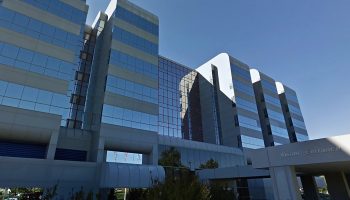
High Point Behavioral Health |
601 North Elm Street High Point, NC 27262 |
Detox Service Setting
Inpatient DetoxOutpatient Detox
|
Levels Of Care
InpatientOutpatientDual Diagnosis
|
|
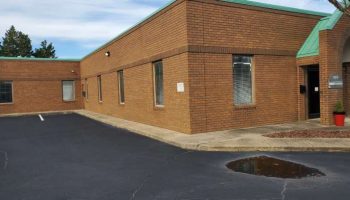
TruHealing High Point |
919 Phillips Ave High Point, NC 27262 |
Detox Service Setting
Inpatient DetoxOutpatient Detox
|
Levels Of Care
InpatientOutpatient
|
|
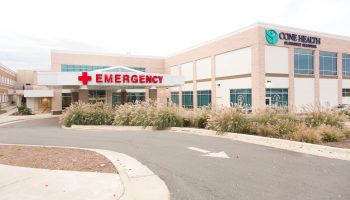
Cone Health Alamance Regional Medical Center |
1240 Huffman Mill Road Burlington, NC 27215 |
Detox Service Setting
Inpatient DetoxOutpatient Detox
|
Levels Of Care
InpatientOutpatientDual Diagnosis
|
|
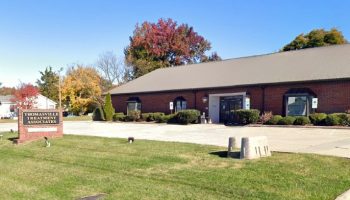
Thomasville Treatment Associates |
1301 National Hwy Thomasville, NC 27360 |
Detox Service Setting
Inpatient DetoxOutpatient Detox
|
Levels Of Care
InpatientOutpatient
|
|
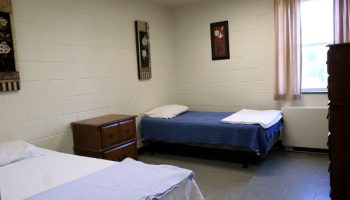
Addiction Recovery Care Association Inc (ARCA) |
1931 Union Cross Road Winston Salem, NC 27107 |
Detox Service Setting
Hospital DetoxInpatient DetoxMAT
|
Levels Of Care
InpatientDual DiagnosisAftercare
|
|
Greensboro sits in Guilford County, which has experienced one of the more severe opioid crises in North Carolina. The county’s overdose death rate has historically exceeded the state average, and fentanyl contamination across the local drug supply has driven sustained public health investment.
Detox and substance use treatment facilities in Greensboro are licensed by the NC Division of Health Service Regulation (DHSR) under the NC Department of Health and Human Services (NCDHHS), which sets standards for staffing, clinical protocols and facility safety across all levels of care. The local managed care organization for Guilford County residents is Trillium Health Resources, the LME-MCO responsible for coordinating behavioral health, substance use and intellectual disability services.
Since July 2024, people with severe substance use disorders who receive NC Medicaid are enrolled in Trillium’s Tailored Plan, which bundles physical health, pharmacy and behavioral health coverage into a single plan. Trillium also offers a crisis line (1-888-302-0738) that operates 24/7 and can help connect callers with detox referrals.
Guilford County has committed $12.1 million in opioid settlement funds between 2023 and 2025, funding programs including GCSTOP’s low-barrier Medication for Opioid Use Disorder (MOUD) clinic, post-overdose response teams and naloxone vending machines placed throughout the county. The Guilford County Behavioral Health Center at 931 Third Street in Greensboro is open 24/7 for adults and adolescents in crisis.
The cost of drug and alcohol detox in Greensboro varies by level of care, the substances involved and whether you use insurance, Medicaid or self-pay. Understanding how much detox costs before you start your search can help you plan and avoid billing surprises after treatment begins.
Medically managed hospital detox is the most expensive level of care, while outpatient MAT programs are the most accessible for people who can safely manage withdrawal with medication support. The figures below are cost averages for Greensboro out-of-pocket costs can vary considerably based on length of stay, medical complexity and whether the facility is in-network with your insurance.
Medicare covers medically necessary detox and substance use treatment in Greensboro, including inpatient services under Part A and outpatient Opioid Treatment Programs (OTPs) providing methadone, buprenorphine and naltrexone under Part B. If you are enrolled in Medicare, your copays and deductibles will depend on your specific plan and the setting of care.
Medicaid expansion, which took effect in North Carolina in December 2023, has substantially increased coverage access for low-income adults who were previously uninsured. NC Medicaid covers multiple levels of detox care, including ambulatory withdrawal management, medically monitored inpatient withdrawal management and social setting detox, following Clinical Coverage Policies updated in October 2024.
Guilford County residents with severe substance use disorders are enrolled in Trillium Health Resources’ Tailored Plan, which specifically covers SUD services, MAT medications and related counseling.
Cost should not stop anyone from seeking care. Several local options exist for people without insurance or with limited coverage:

Federally Qualified Health Centers and community providers in the Guilford County area offer fee schedules based on income, making care accessible regardless of insurance status.
Fellowship Hall, a nonprofit facility on 120 acres in Greensboro, has provided community-supported addiction treatment for more than 50 years. Malachi House II offers a no-cost, nine-month residential recovery program for men. Freedom House serves women and children with faith-based residential care at no cost.
Guilford County has directed millions in opioid settlement funds toward GCSTOP’s low-barrier MOUD clinic and the NC Survivors Union health hub, both of which provide services at no cost to participants.
Military veterans in the Greensboro area can access treatment through TRICARE, which is accepted at several local facilities, including Fellowship Hall, and through VA-connected community care programs when specialty SUD services are needed.
Trillium Health Resources administers state-funded SUD services for uninsured and underinsured Guilford County residents who do not qualify for Medicaid, providing access to treatment regardless of ability to pay.
All detox and substance use treatment facilities in Greensboro operate under state licensure and federal oversight. Key regulatory and accreditation bodies governing detox care in Greensboro and North Carolina include:
The primary state licensing authority for substance use disorder treatment facilities in North Carolina, including detox programs at all levels of care. DHSR issues facility licenses, monitors compliance with state administrative rules and oversees Opioid Treatment Programs under 10A NCAC 27G .3600. info.ncdhhs.gov/dhsr
The state agency that sets policy and funds substance use disorder services statewide. It administers federal block grants (SABG), State Opioid Response grants and the clinical coverage policies that define what Medicaid pays for, including detox levels of care. ncdhhs.gov
As the Local Management Entity/Managed Care Organization for Guilford County, Trillium is responsible for managing NC Medicaid behavioral health services and state-funded SUD care for the region. Trillium authorizes services, oversees provider network compliance and manages the Tailored Plan for people with serious mental health or substance use needs. trilliumhealthresources.org
Oversees private insurance compliance with state and federal mental health parity laws, ensuring insurers operating in North Carolina cover detox and SUD treatment at the same level as physical health benefits. ncdoi.gov
Medication-assisted treatment in Greensboro is governed by federal rules (DEA and SAMHSA) and NC state licensing requirements. Federally, opioid-based MAT must comply with SAMHSA’s Opioid Treatment Program rules under 42 CFR Part 8. North Carolina has seen a 25% increase in OTP enrollment since 2019, and OTPs served 31,641 individuals statewide in 2024.
Widely available in Greensboro through outpatient providers, FQHCs and telehealth prescribers. Low-barrier buprenorphine is available through GCSTOP’s MOUD clinic without requiring prior sobriety or extensive intake barriers, making it one of the most accessible MAT options in the county.
Only available through certified Opioid Treatment Programs and cannot be prescribed at a standard pharmacy. Daily attendance is typically required at program initiation. NC Medicaid covers methadone at OTPs for qualifying members enrolled in Trillium’s Tailored Plan.
Non-addictive and available without OTP certification, making it accessible through a broader range of providers, including primary care settings. The injectable form (Vivitrol) is covered by NC Medicaid and is commonly used for both opioid use disorder and alcohol use disorder in Guilford County.
Guilford County has built one of North Carolina’s more active harm reduction networks, driven by opioid settlement funding, university partnerships and community-led organizations. Fentanyl contamination across the local drug supply continues to elevate overdose risk, and the county recorded 213 overdose deaths in 2024, a rate of 38.7 per 100,000 residents. The resources below provide naloxone, syringe services, drug checking and low-barrier MOUD for people who use drugs and their families.
A partnership between UNC Greensboro and Guilford County operating since 2018, GCSTOP provides free, no-barrier harm reduction services and is one of the primary opioid settlement fund recipients. GCSTOP kits are also available at My Pharmacy on Phillips Avenue in Greensboro during weekday business hours. guilfordcountync.gov
Founded in Greensboro and built around peer leadership, the NC Survivors Union runs a user-led syringe exchange and the Greensboro Health Hub, which provides safer-use supplies, drug checking and low-barrier medication access in a community setting. The organization was founded by harm reduction advocate Louise Vincent, whose lived experience shaped one of the state’s most recognized peer-driven programs. nirhealth.org
Using opioid settlement funds, Guilford County Public Health distributed 3,800 naloxone kits and test strips through community partners in 2024-2025 and installed naloxone vending machines at accessible public locations across the county. Naloxone is available at the Guilford County Public Health pharmacy at 1203 Maple Street in Greensboro. guilfordcountync.gov/health
Located at 931 Third Street in Greensboro, the Guilford County Behavioral Health Center is open around the clock for people experiencing mental health or substance use crises. It provides immediate stabilization and connects individuals to detox and treatment programs across the county. guilfordcountync.gov
Guilford County’s overdose crisis has improved in recent years; however, the county’s rate remains above the state average, and fentanyl continues to dominate the local drug supply. The data below reflects the most current available figures from state and county health agencies.
Guilford County recorded 213 overdose-related deaths in 2024, a rate of 38.7 per 100,000 residents, according to the county’s 2025 opioid settlement stakeholder report. Source: Guilford County Press Release, July 2025
North Carolina overdose deaths fell from more than 4,400 in 2023 to fewer than 3,000 in 2024, the first statewide decline since 2019, driven largely by expanded naloxone access. Guilford County’s 2024 numbers reflect a similar trend. Source: NCDHHS / ABC11, April 2025
Opioids account for approximately 80% of Guilford County’s overdose deaths, with fentanyl contamination across multiple drug supplies, including stimulants, driving much of the mortality risk. Source: Greensboro News & Record / Guilford County Public Health
Start by calling your insurance company’s member services line and asking for a list of in-network SUD treatment providers in the Guilford County area. You can also ask facilities directly if they are in-network with your plan before you schedule an intake. If you have NC Medicaid, contact Trillium Health Resources at 1-877-685-2415 to locate covered providers in Greensboro.
Yes. Several options exist for uninsured residents. Trillium Health Resources provides state-funded SUD services for uninsured Guilford County residents who do not qualify for Medicaid. GCSTOP operates a free, low-barrier MOUD clinic. Nonprofit programs, including Malachi House II and Freedom House, provide no-cost residential care for eligible men and women, respectively. Calling 211 can help connect you with local social services, including treatment referrals.
Yes. Low-barrier programs in Greensboro do not require prior abstinence to begin medication-assisted treatment. GCSTOP’s MOUD clinic and the NC Survivors Union Health Hub both operate on a low-barrier model, meaning you can begin buprenorphine without meeting strict preconditions. Telehealth buprenorphine prescribers can also initiate treatment remotely for qualifying patients.
Call 911 immediately. If naloxone is available, administer it while waiting for emergency services. Guilford County has naloxone available free at the Public Health pharmacy on Maple Street, through GCSTOP kits at local pharmacies and from vending machines placed at public locations across the county. North Carolina’s Good Samaritan law (N.C.G.S. 90-96.2) provides limited immunity from prosecution for the person calling 911 and the person who overdosed when the call is made in good faith.
NC Medicaid covers multiple detox levels, including ambulatory withdrawal management (outpatient detox), medically monitored inpatient withdrawal management and social setting detox, under Clinical Coverage Policies updated in 2024. Guilford County residents with serious substance use disorders are enrolled in Trillium Health Resources’ Tailored Plan, which coordinates coverage. If you are not yet enrolled in Medicaid, you may qualify following North Carolina’s Medicaid expansion in December 2023, which extended eligibility to adults earning up to 138% of the federal poverty level.
Most medically supervised detox programs in Greensboro run between five and ten days, depending on the substance, the severity of dependence and the individual’s medical history. Alcohol and benzodiazepine withdrawal generally requires closer monitoring and may extend toward the longer end of that range. Detox is not a treatment for the underlying substance use disorder; it is the first step, and transitioning to an ongoing program after detox significantly improves long-term outcomes.


Cary has more than three decades of nursing expertise as an LPN and holds a bachelor’s degree in Liberal Arts. She is also working toward a Master’s degree focused on public health policy. Her professional journey has been dedicated to addressing healthcare disparities for both adults and children.