800-262-4205
MedMark Treatment Centers

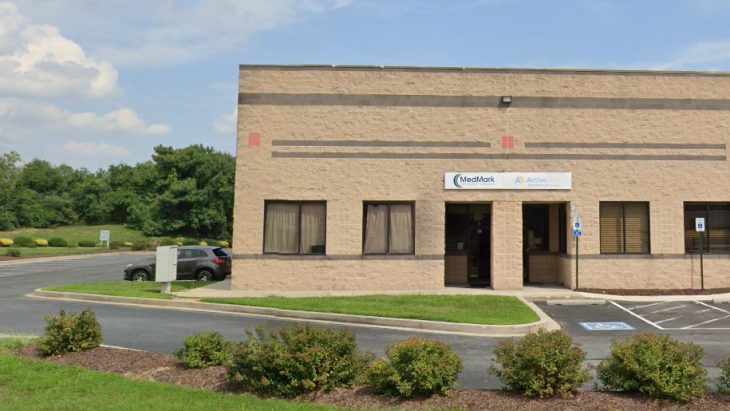
About MedMark Treatment Centers
MedMark Treatment Centers is an evidence-based opioid disorder treatment center in Belcamp, Maryland. They operate more than 50 CARF-accredited treatment centers across the nation and are part of BayMark Health Services.
They accept most private insurance. Self-pay options include cash, credit or debit card and money order. I noticed that veterans can get care through the VA Community Care Network via Optum or TriWest with prior authorization.
Outpatient Medication-Assisted Treatment
Medication-assisted treatment (MAT) is offered on an outpatient basis to support opioid detox, stabilization and long term recovery. They prescribe methadone, buprenorphine and Suboxone alongside counseling and other support services. This approach reduces cravings and withdrawal symptoms so you can fully engage in counseling and focus on sustained recovery.
Understanding Addiction and Building Skills
Individual counseling helps clients understand the patterns behind substance use, build practical skills for managing cravings and work through personal or relationship challenges. Group counseling brings folks together in a supportive setting where shared experiences help reduce isolation and reinforce progress in recovery.
Connecting Clients with Resources
Support services are provided alongside counseling and include medical testing, case management and coordinated pregnancy care. Referrals to community resources like housing, transportation and employment support recovery goals. If you plan to travel during treatment, I was glad to see that they can transfer your dosing to one of their nationwide facilities.
| Levels of Care | Detox Service Setting | Programs | Payment Options | ||
|---|---|---|---|---|---|
|
In outpatient therapy, you’ll attend therapy sessions several times each week while living at home. This is ideal if you have a strong support system and a lower risk of relapse. Outpatient treatment offers flexibility to maintain work, school or family obligations. |
Aftercare programs provide ongoing support after you complete a rehab program. They may include several components to help you maintain sobriety including therapy, community support groups and relapse prevention strategies. This gives you a network of resources as you reintegrate into your daily life. |
||||
|
Outpatient detox gives you access to medically supervised withdrawal services while still allowing you to live at home. You’ll attend a clinic for treatment and monitoring. This flexible option is suitable for those with mild to moderate withdrawal symptoms who have strong support systems. |
|||||
|
Adult programs address the substance use and life challenges specific to adults. Therapists can deliver sessions in individual, group and family settings. Services often include job support and life skills training in a structured environment.
|
Drug detox programs support individuals who are withdrawing from addictive substances like cocaine and heroin. Medical support helps you manage symptoms in a controlled and safe environment so you can achieve initial sobriety.
|
Men's programs address substance use while also considering the social pressures, family roles and mental health concerns that are specific to men. You’ll learn healthy coping mechanisms as you build emotional resilience and develop communication skills.
|
Opioid detox uses medications to ease severe withdrawal symptoms. It also includes medical supervision to help you manage potential complications. These services allow you to stabilize and begin a recovery plan.
|
Women's programs offer a safe and supportive space to focus on gender specific issues such as trauma, family roles and mental health conditions. Therapists tailor the sessions to address women's needs and foster empowerment in a healing and nurturing environment.
|
Young adult programs are designed for individuals who are transitioning into adulthood. Topics of discussion typically include identity, independence and peer relationships. Providers may also offer life skills training and career support.
|
|
Payment Assistance
|
Medicaid
|
Private Insurance
|
Self Pay
|
Levels of Care
In outpatient therapy, you’ll attend therapy sessions several times each week while living at home. This is ideal if you have a strong support system and a lower risk of relapse. Outpatient treatment offers flexibility to maintain work, school or family obligations.
Aftercare programs provide ongoing support after you complete a rehab program. They may include several components to help you maintain sobriety including therapy, community support groups and relapse prevention strategies. This gives you a network of resources as you reintegrate into your daily life.
Detox Service Setting
Outpatient detox gives you access to medically supervised withdrawal services while still allowing you to live at home. You’ll attend a clinic for treatment and monitoring. This flexible option is suitable for those with mild to moderate withdrawal symptoms who have strong support systems.
Programs
Accreditations


Contact



Stephanie spent two decades as a healthcare marketer and content writer and has a degree in Speech Communications. She specializes in creating both medical and culinary content and lives in Central Illinois with her husband, best friend, and fellow homebody (conveniently, he’s all three). She’s dedicated to spreading kindness, living with honor, and advocating for that criminally underrated herb, fennel.

Courtney Myers writes and edits professionally from her home in North Carolina. She holds an MS in Technical Communication from N.C. State University and has worked in proposal management, marketing, and online content creation. She specializes in creating resources related to behavioral health and addiction recovery.
Detox.com regularly reviews this listing for accuracy but changes may occur between updates. For the most up-to-date information, please contact MedMark Treatment Centers.