800-671-4304
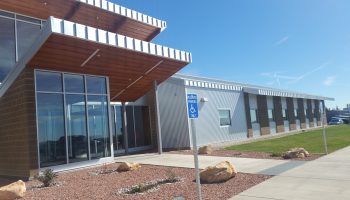
Northeastern Counseling Center Roosevelt Office

About Northeastern Counseling Center Roosevelt Office
Northeastern Counseling Center Roosevelt Office is a community behavioral health provider in Roosevelt, Utah, offering outpatient mental health and substance use treatment services to residents across the tri-county area of Northeastern Utah.
The center provides individual counseling, group therapy, dual diagnosis treatment and DUI education programs for children, teens, adults and families. With a mission rooted in accessible, person centered care, Northeastern Counseling Center uses evidence based approaches and structured assessment to build individualized recovery plans for every client.
Outpatient Clinical Intake and Assessment
Treatment begins with a thorough clinical intake and assessment, allowing the team to recommend the appropriate level of outpatient support based on each person’s history, needs and goals. Clients may engage in individual therapy, substance abuse group therapy, or dual diagnosis services that address co-occurring mental health and addiction challenges together.
The center integrates cognitive behavioral therapy (CBT), relapse prevention planning and psychiatric medication support when needed, with referrals to psychiatrists as appropriate. Specialized DUI and Prime For Life education courses are also available for adults and teens, supporting both court mandated clients and individuals seeking prevention focused interventions.
Outpatient Options and Sliding Scale Assistance
The center works with most private health insurance companies, and with Medicaid, Medicare and military insurance. They offer self pay options with a sliding scale fee. No one is denied care for an inability to pay.
Walk ins are welcome Monday through Friday at the Northeastern Counseling Center Roosevelt Office to start the intake and assessment process. The admissions team can verify insurance benefits, explain outpatient program options and discuss sliding fee assistance or payment plans.
| Levels of Care | Detox Service Setting | Programs | Payment Options | ||
|---|---|---|---|---|---|
|
In outpatient therapy, you’ll attend therapy sessions several times each week while living at home. This is ideal if you have a strong support system and a lower risk of relapse. Outpatient treatment offers flexibility to maintain work, school or family obligations. |
Dual diagnosis programs address substance use disorders and co-occurring mental health conditions simultaneously. This integrated approach to care improves the likelihood of long term recovery and stability by addressing the root causes of addiction. |
||||
|
Outpatient detox gives you access to medically supervised withdrawal services while still allowing you to live at home. You’ll attend a clinic for treatment and monitoring. This flexible option is suitable for those with mild to moderate withdrawal symptoms who have strong support systems. |
|||||
|
Adult programs address the substance use and life challenges specific to adults. Therapists can deliver sessions in individual, group and family settings. Services often include job support and life skills training in a structured environment. |
Alcohol detox programs offer medical support to help individuals withdraw safely from alcohol. Your care team may use medications to ease your symptoms and provide medical monitoring to address complications. |
Cognitive behavioral therapy focuses on changing harmful thought patterns and behaviors associated with addiction. You’ll learn healthier coping mechanisms by identifying and replacing negative thoughts. This improves your emotional resilience and decreases your relapse potential. |
Opioid detox uses medications to ease severe withdrawal symptoms. It also includes medical supervision to help you manage potential complications. These services allow you to stabilize and begin a recovery plan. |
Senior programs address the unique needs of older adults like chronic pain, grief and isolation. Programs include peer support and medical oversight for age related health concerns. The goal is to improve quality of life and promote sober aging. |
Young adult programs are designed for individuals who are transitioning into adulthood. Topics of discussion typically include identity, independence and peer relationships. Providers may also offer life skills training and career support. |
|
Payment Assistance
|
Medicaid
|
Medicare
|
Military Insurance
|
Private Insurance
|
Self Pay
|
Levels of Care
In outpatient therapy, you’ll attend therapy sessions several times each week while living at home. This is ideal if you have a strong support system and a lower risk of relapse. Outpatient treatment offers flexibility to maintain work, school or family obligations.
Dual diagnosis programs address substance use disorders and co-occurring mental health conditions simultaneously. This integrated approach to care improves the likelihood of long term recovery and stability by addressing the root causes of addiction.
Detox Service Setting
Outpatient detox gives you access to medically supervised withdrawal services while still allowing you to live at home. You’ll attend a clinic for treatment and monitoring. This flexible option is suitable for those with mild to moderate withdrawal symptoms who have strong support systems.
Programs
Adult programs address the substance use and life challenges specific to adults. Therapists can deliver sessions in individual, group and family settings. Services often include job support and life skills training in a structured environment.
Alcohol detox programs offer medical support to help individuals withdraw safely from alcohol. Your care team may use medications to ease your symptoms and provide medical monitoring to address complications.
Cognitive behavioral therapy focuses on changing harmful thought patterns and behaviors associated with addiction. You’ll learn healthier coping mechanisms by identifying and replacing negative thoughts. This improves your emotional resilience and decreases your relapse potential.
Opioid detox uses medications to ease severe withdrawal symptoms. It also includes medical supervision to help you manage potential complications. These services allow you to stabilize and begin a recovery plan.
Senior programs address the unique needs of older adults like chronic pain, grief and isolation. Programs include peer support and medical oversight for age related health concerns. The goal is to improve quality of life and promote sober aging.
Young adult programs are designed for individuals who are transitioning into adulthood. Topics of discussion typically include identity, independence and peer relationships. Providers may also offer life skills training and career support.
Contact



Gayle Morris, BSN, MSN, received her bachelor’s from the University of Illinois Chicago Medical Center and her first master’s from the Indiana University Purdue University Indianapolis. She practiced nursing for over two decades with a focus on pediatric physical rehabilitation, which required mental health skills to help children, and their parents work through new challenges after a head injury or spinal cord injury. She has been a freelance writer in health, wellness, and mental health for over 15 years. She loves exercise, her dogs and guinea pigs, and gardening.