

 801-436-6978
Ardú Recovery Center
Provo, UT
84601
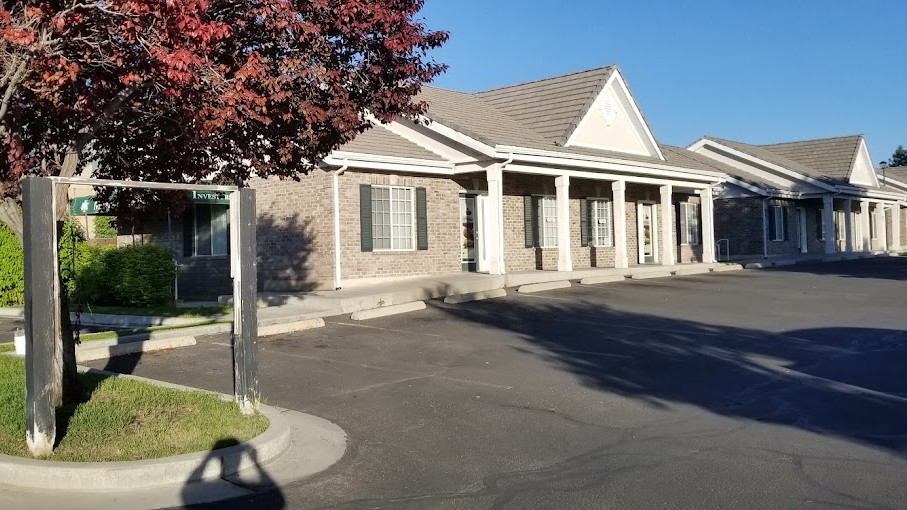
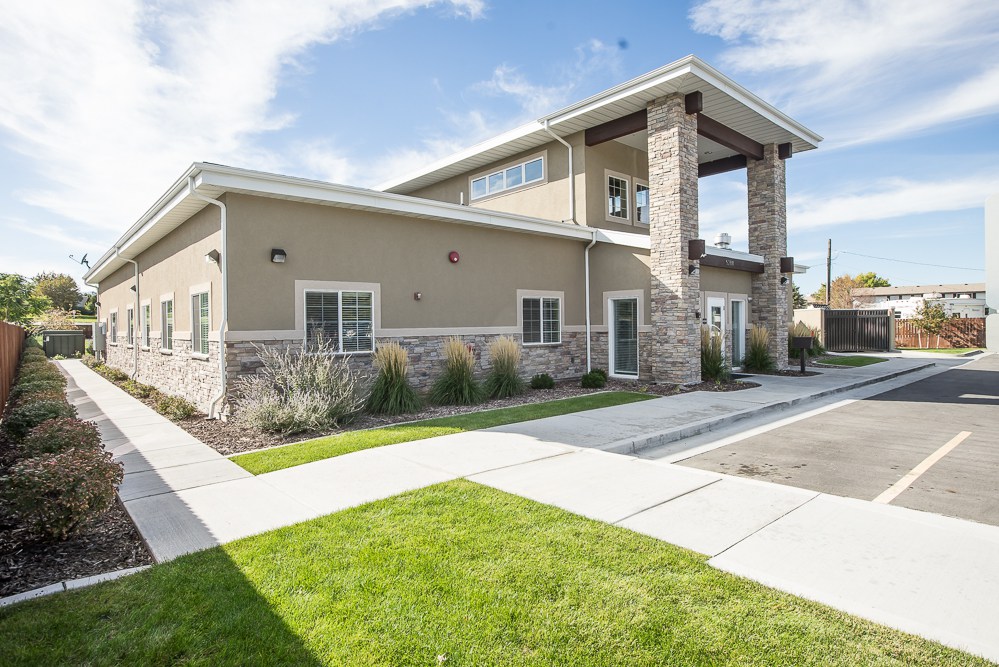
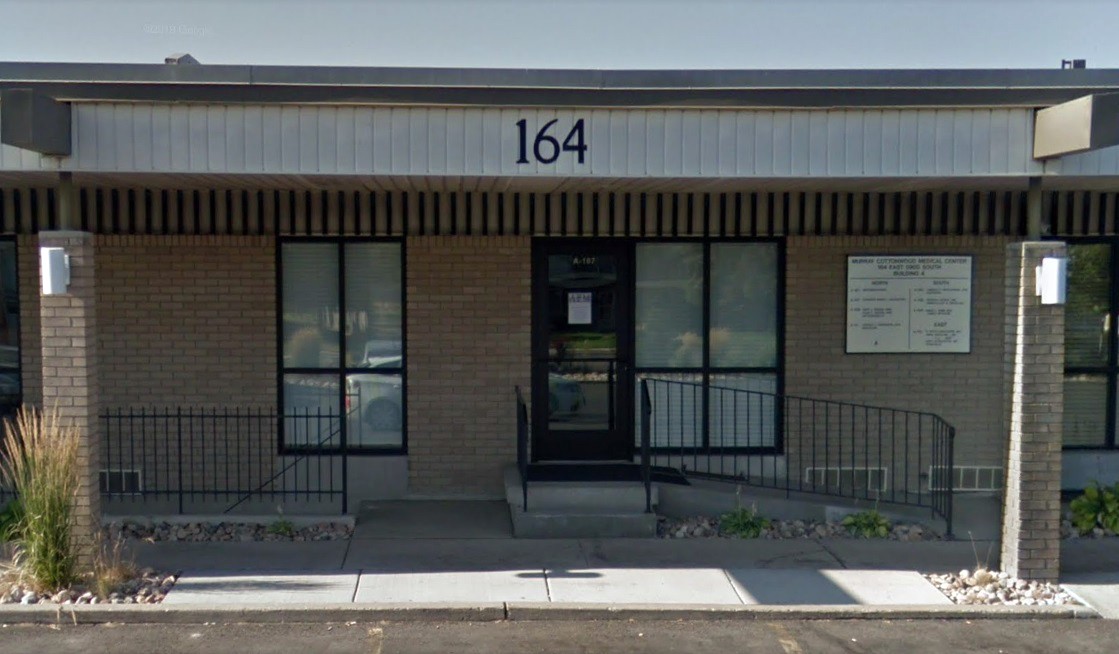
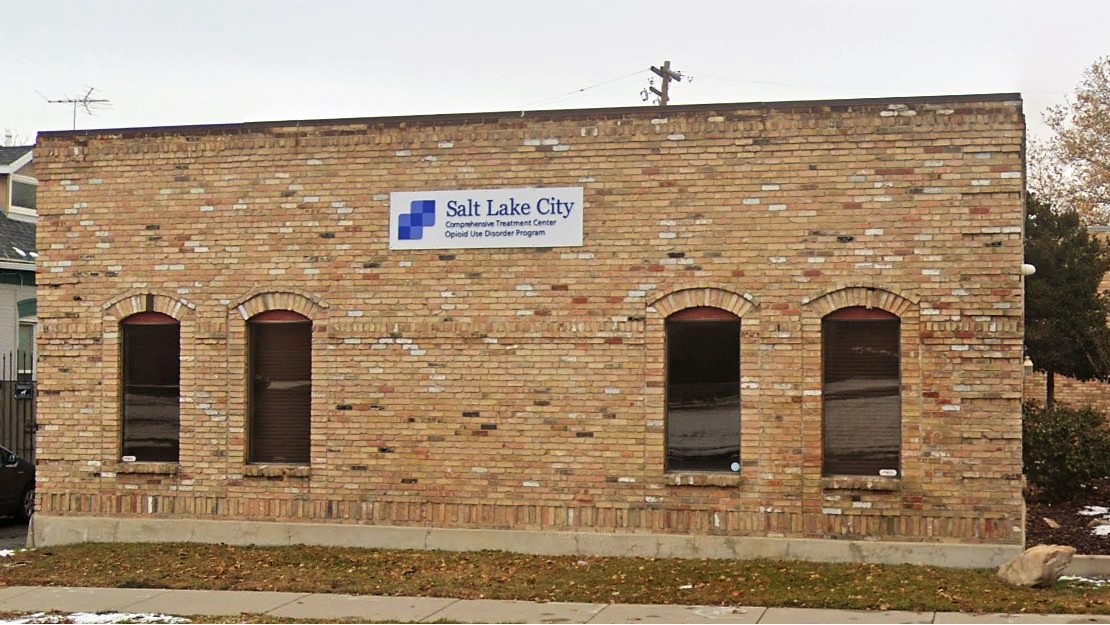
| Name | Address | Detox Service Setting | Levels Of Care | Media |
|---|---|---|---|---|
7th Street Treatment |
2487 South 700 East Salt Lake City, UT 84106 |
Detox Service Setting
Inpatient DetoxOutpatient Detox
|
Levels Of Care
InpatientOutpatient
|
|
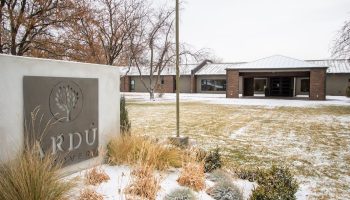
Ardú Recovery Center |
1053 West 1020 South Provo, UT 84601 |
Detox Service Setting
Inpatient Detox
|
Levels Of Care
InpatientDual Diagnosis
|
|
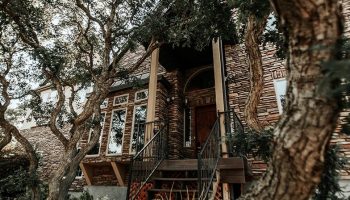
Avante Recovery Center |
1018 East Oak Hill Drive Alpine, UT 84004 |
Detox Service Setting
Inpatient DetoxOutpatient DetoxMAT
|
Levels Of Care
InpatientOutpatientAftercare+4
|
|
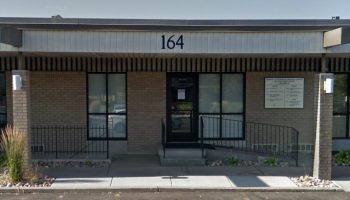
BAART Programs Salt Lake City |
164 East 5900 South Murray, UT 84107 |
Detox Service Setting
Outpatient Detox
|
Levels Of Care
Outpatient
|
|
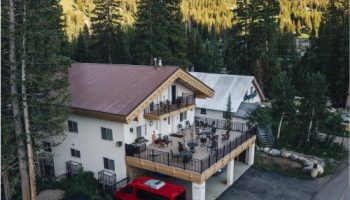
Brighton Recovery Center, Salt Lake City, Utah |
4931 South 900 East Salt Lake City, UT 84117 |
Detox Service Setting
Inpatient DetoxOutpatient DetoxMAT
|
Levels Of Care
InpatientOutpatientPHP
|
|
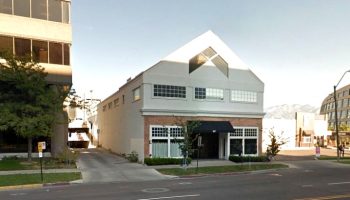
Capstone Counseling Centers |
357 S 200 E Salt Lake City, UT 84111 |
Detox Service Setting
Inpatient DetoxOutpatient Detox
|
Levels Of Care
InpatientOutpatient
|
|
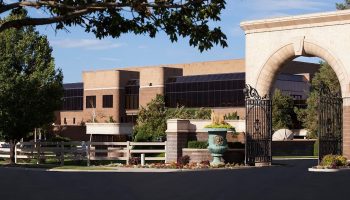
Cirque Lodge – The Studio |
777 North Palisade Drive Orem, UT 84097 |
Detox Service Setting
Inpatient Detox
|
Levels Of Care
InpatientAftercareDual Diagnosis+1
|
|
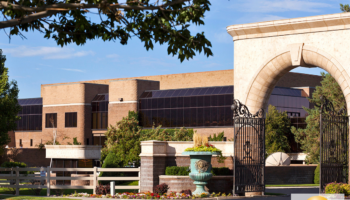
Cirque Lodge Studio Facility |
777 Palisade Drive Orem, UT 84097 |
Detox Service Setting
Inpatient DetoxOutpatient DetoxMAT
|
Levels Of Care
InpatientOutpatientPHP+3
|
|
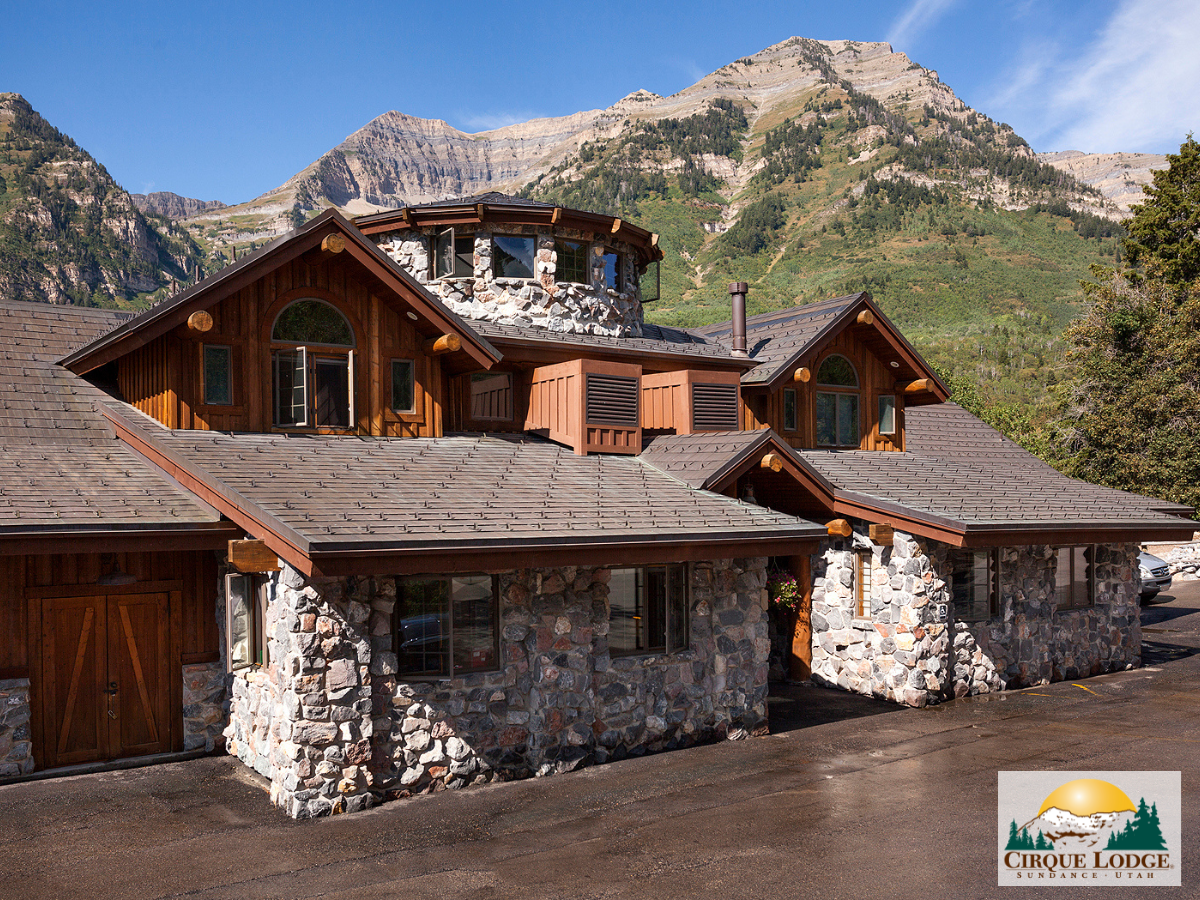
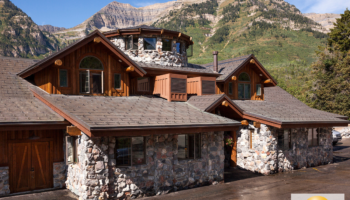
Cirque Lodge, Lodge Facility |
3114 Ida's Road Sundance, UT 84604 |
Detox Service Setting
Inpatient Detox
|
Levels Of Care
InpatientAftercareDual Diagnosis+2
|
|
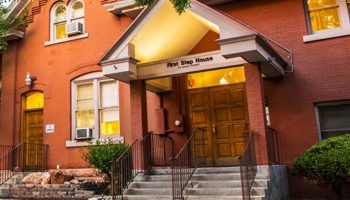
First Step House Residential |
411 North Grant Street Salt Lake City, UT 84116 |
Detox Service Setting
Inpatient DetoxOutpatient Detox
|
Levels Of Care
InpatientOutpatientDual Diagnosis+1
|
|
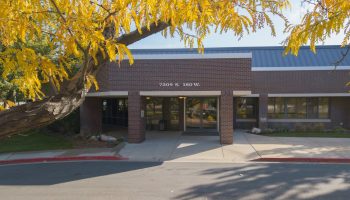
Highland Ridge Hospital |
7309 South 180 West Midvale, UT 84047 |
Detox Service Setting
Inpatient DetoxOutpatient DetoxMAT
|
Levels Of Care
InpatientPHPOutpatient+2
|
|
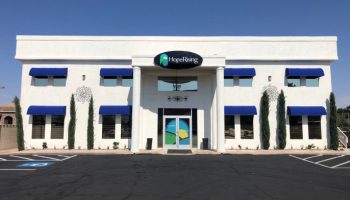
Hope Rising Detox and Rehab Saint George |
671 1000 E St Saint George, UT 84790 |
Detox Service Setting
Inpatient DetoxOutpatient Detox
|
Levels Of Care
InpatientOutpatient
|
|
Liberty Addiction Recovery Centers | Rehab Center Salt Lake City |
15257 2765 W Bluffdale, UT 84065 |
Detox Service Setting
Inpatient DetoxOutpatient Detox
|
Levels Of Care
InpatientOutpatient
|
|
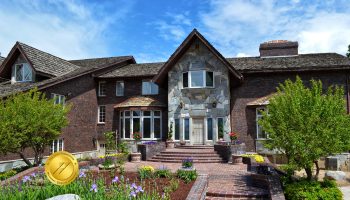
Maple Mountain Recovery |
727 East 1100 South Street Mapleton, UT 84664 |
Detox Service Setting
Inpatient DetoxOutpatient DetoxMAT
|
Levels Of Care
InpatientPHPOutpatient+2
|
|
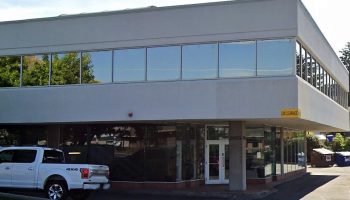
New Roads Behavioral Health |
2450 East Fort Union Boulevard Cottonwood Heights, UT 84121 |
Detox Service Setting
Inpatient DetoxOutpatient Detox
|
Levels Of Care
InpatientOutpatientDual Diagnosis+1
|
|
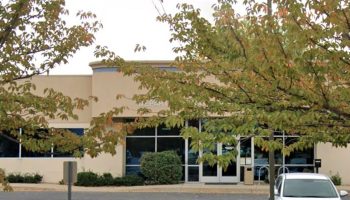
New Season Bountiful Treatment Center |
763 West 700 South Woods Cross, UT 84087 |
Detox Service Setting
Outpatient Detox
|
Levels Of Care
Outpatient
|
|
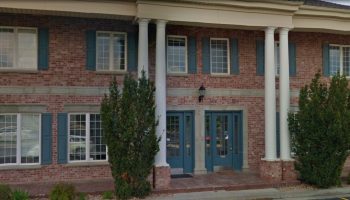
Pomarri Substance Abuse Recovey Center |
1472 East 820 North Orem, UT 84097 |
Detox Service Setting
Outpatient Detox
|
Levels Of Care
OutpatientDual DiagnosisIntervention
|
|
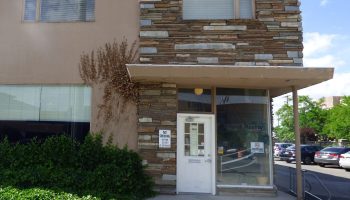
Project Reality Salt Lake City |
150 East 700 South Salt Lake City, UT 84111 |
Detox Service Setting
Outpatient Detox
|
Levels Of Care
Outpatient
|
|
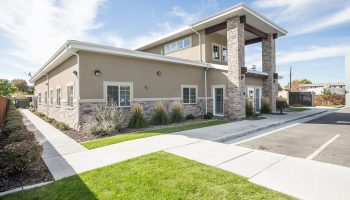
Recovery Ways |
4848 South Commerce Drive Murray, UT 84107 |
Detox Service Setting
Inpatient DetoxOutpatient Detox
|
Levels Of Care
OutpatientPHPDual Diagnosis+2
|
|
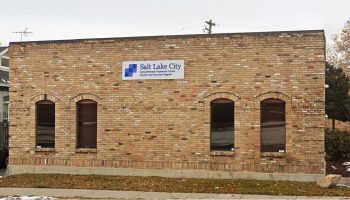
Salt Lake City Comprehensive Treatment Center |
449 East 2100 South Salt Lake City, UT 84115 |
Detox Service Setting
Outpatient Detox
|
Levels Of Care
OutpatientAftercare
|
|
Utah’s substance use disorder facility licensing runs through the Division of Licensing and Background Checks (DLBC), which covers outpatient treatment, day treatment, residential treatment, and social detoxification programs under Utah Administrative Code R501. Separately, the Office of Substance Use and Mental Health (OSUMH), part of the Division of Integrated Healthcare, sets public behavioral health policy and Medicaid-adjacent program standards statewide.
Utah’s overdose landscape has shifted again in the past year. Methamphetamine has now overtaken fentanyl as the single drug most often involved in fatal overdoses, 234 deaths versus 227, in the 12 months ending June 2025, even as the state’s overall opioid death rate fell significantly. Cocaine-related deaths also rose 40 percent in that same period. Governor Cox launched a statewide Fentanyl Task Force in October 2024 to coordinate the response as these substance patterns keep moving.
Anyone researching detox right now should also know about a recent Medicaid change: DHHS has imposed a Medicaid SUD enrollment moratorium aimed at combating fraud in the state’s substance use treatment system. This could affect which programs can currently enroll new Medicaid patients, so it is worth confirming a facility’s enrollment status directly before assuming Medicaid coverage applies.
Detox costs in Utah vary by facility type and level of care, and the current Medicaid SUD enrollment moratorium makes it especially important to confirm a program’s billing status directly. Reviewing how much detox costs helps set expectations for treatment planning.
All four levels below reflect Utah-specific averages. Note that Utah’s social detoxification programs are explicitly non-medical and short-term under state rules, which is a distinct, typically lower-cost category from hospital-based medical detox. These are cash-pay figures before insurance, Medicaid, or other aid; most people with coverage pay significantly less.
Medicare covers medically necessary detox and OTP services, including methadone, buprenorphine, and naltrexone, under Part B for Utah beneficiaries, with cost-sharing depending on the treatment setting.
Utah Medicaid covers SUD treatment including detox, residential care, outpatient services, and MAT through plans like SelectHealth and Molina. DHHS has currently imposed an SUD enrollment moratorium to combat fraud, so confirm a facility’s active Medicaid enrollment before assuming coverage.
Several programs help Utahns cover the cost of detox:

Governor Cox’s Fentanyl Task Force coordinates statewide prevention and treatment funding as part of Utah’s broader overdose response.
DHHS’s Violence and Injury Prevention Program funds local health departments and community partners working on naloxone access and treatment referral.
Many Utah treatment providers offer sliding-fee scales for residents without insurance or Medicaid coverage.
DHHS has expanded safe disposal sites for unused prescription medications statewide, reducing diversion risk while connecting people to treatment resources.
The following agencies regulate detox and SUD treatment in Utah:
DLBC‘s Office of Licensing is Utah’s facility licensing authority for outpatient treatment, day treatment, residential treatment, social detoxification, and recovery residences under Utah Administrative Code R501.
Part of the Division of Integrated Healthcare, OSUMH sets Utah’s public behavioral health policy, funding priorities, and Medicaid-adjacent SUD program standards statewide.
Established by Governor Cox in October 2024, this task force coordinates Utah’s statewide response to the fentanyl and methamphetamine overdose crisis across state agencies.
OME investigates and certifies overdose deaths statewide and publishes the data behind Utah’s State Unintentional Drug Overdose Reporting System (SUDORS) surveillance reports.
Medication-assisted treatment in Utah is regulated federally under SAMHSA’s 42 CFR Part 8 and DEA rules, with state rules under R501-21-5 requiring MOUD programs to maintain a counselor-to-client ratio of 1:65 and ensure each client sees a prescribing practitioner at least once a year. Medication-assisted treatment access has become a growing focus of the Fentanyl Task Force as methamphetamine and fentanyl continue to co-occur in a majority of Utah’s fatal overdoses.
Buprenorphine is prescribed through outpatient MOUD programs and telehealth across Utah, subject to state requirements around dose increases and annual prescriber visits. It remains one of the most accessible MAT options statewide.
Methadone requires SAMHSA-certified opioid treatment program status and daily on-site dosing under Utah rules, including at least eight random drug tests per year for maintenance patients. Utah’s OTPs are concentrated in its larger population centers.
Naltrexone requires no OTP certification and can be prescribed by any qualified provider statewide. Given methamphetamine’s growing role in Utah overdoses, some MOUD programs pair naltrexone with dedicated stimulant use disorder counseling.
Utah’s harm reduction network centers on naloxone access, backed by a statewide standing order that lets any pharmacist dispense naloxone without a prescription. As methamphetamine has overtaken fentanyl as the state’s leading overdose drug, and cocaine deaths have climbed sharply, harm reduction outreach has broadened beyond opioids alone.
These resources exist to keep people alive and connected to care, whether or not they are ready for detox today.
Run by prescribers, pharmacists, public health workers, and recovery advocates, Utah Naloxone maintains statewide education and distribution resources, including video guides on using fentanyl test strips correctly.
This DHHS campaign coordinates naloxone and test strip distribution through local health departments and community partners, while tracking overdose reversals to measure impact statewide.
Utah’s standing order means naloxone is legal to carry and available at pharmacies statewide without a doctor’s prescription, removing a major access barrier for families and bystanders.
DHHS funds local health departments and 2-1-1 statewide to extend naloxone distribution and overdose prevention outreach into communities beyond the Salt Lake City metro area.
Utah’s overdose data shows a state where the leading drug keeps changing, even as some underlying trends improve.
Methamphetamine was involved in 234 fatal overdoses in Utah in the 12 months ending June 2025, edging out fentanyl’s 227, even as the fentanyl death count itself declined from the prior period. Source: Utah State Legislature.
Cocaine-related overdose deaths in Utah rose 40 percent in the 12 months ending June 2025 compared with the prior reporting period. Source: Utah State Legislature.
On average, ten Utah adults die each week from drug overdose, making it the leading cause of injury death in the state, ahead of firearms, falls, and motor vehicle crashes. Source: Utah Violence and Injury Prevention Program.
DHHS has imposed a Medicaid SUD enrollment moratorium to address fraud concerns, which may limit new provider enrollment in some cases. Confirm directly with a treatment facility that they can currently bill Medicaid before assuming coverage applies.
Social detoxification in Utah is a short-term, non-medical program that helps someone achieve sobriety and stabilize enough to pursue further treatment. It is a distinct, typically lower-cost licensing category from hospital-based medical detox.
Yes. Utah has a statewide standing order that allows any pharmacist to dispense naloxone without a prescription, and it is legal to carry naloxone anywhere in the state.
Recent state surveillance data shows methamphetamine now causes more fatal overdoses in Utah than fentanyl, reversing a trend from prior years. Anyone seeking detox should look for a program equipped to treat stimulant use disorder alongside any opioid history, since the two increasingly co-occur.
Established by Governor Cox in October 2024, the Fentanyl Task Force coordinates state agencies on prevention, treatment funding, and naloxone distribution, which can influence which programs and resources are prioritized for state support.

Gayle Morris, BSN, MSN, received her bachelor’s degree from the University of Illinois Chicago Medical Center and her first master’s degree from Indiana University Purdue University Indianapolis. She practiced nursing for more than two decades with a focus on pediatric physical rehabilitation, helping children and their parents after a head injury or spinal cord injury. She has been a freelance writer in health, wellness, and mental health for more than 15 years. She loves exercise, her dogs and guinea pigs, and gardening.