800-671-4304
Red Rock Behavioral Health Services Jordans Crossing
About Red Rock Behavioral Health Services Jordans Crossing
Red Rock Behavioral Health Services Jordans Crossing was a specialized addiction treatment center in Oklahoma City, Oklahoma that served women with dependent children until its closure in February 2024. The program was distinguished by allowing mothers to bring their children to live with them on site during treatment addressing both addiction recovery and family reunification.
Inpatient Detox and Programs
The facility provided long-term residential inpatient treatment with 24/7 care, individual and group counseling, and family therapy.
Women could begin with a comprehensive assessment and move into structured programming that included detox and medication assisted treatment using buprenorphine, naltrexone, and other medications for both substance use and mental health disorders.
Treatment integrated evidence based therapies including cognitive behavioral therapy, dialectical behavior therapy, motivational interviewing, and trauma therapy. Programming also included parenting education, life skills training, relapse prevention, case management, peer recovery support, and discharge planning to support long-term recovery and family stability.
Program Highlights
- Location: South Oklahoma City off Interstate 240, accessible via bus lines 3, 13, and 40
- Population served: Adult women and young adult women, including pregnant and postpartum women, mothers with children under 13, and women involved in the criminal justice system
- Unique feature: One of the only Oklahoma facilities where children could reside with mothers during residential treatment.
- Treatment approach: Evidence-based therapies, medication-assisted treatment, trauma-informed care, and parenting support
- Payment options: Medicaid, SoonerCare, Medicare, federal funding, private insurance, and sliding fee scale based on income
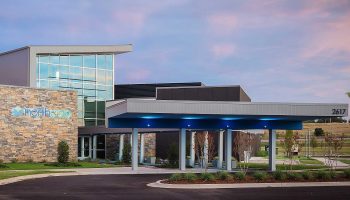
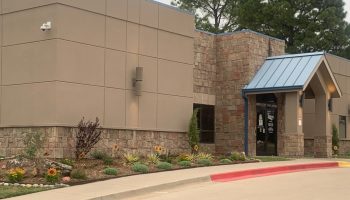
- Facility: State-of-the-art residential center with capacity for 80 women and children, private rooms, and structured daily programming
Facility Closure
Jordans Crossing closed in February 2024 due to insufficient funding after 13 years of operation. For current addiction treatment services for women in Oklahoma, contact us and we will help you begin your recovery journey.
| Levels of Care | Detox Service Setting | Programs | Payment Options |
|---|---|---|---|
|
Inpatient and residential programs provide round-the-clock medical and emotional support as you live at the treatment facility. This level of care may be recommended if you have severe addictions or mental health conditions since it removes outside distractions and allows you to focus solely on therapy. |
In outpatient therapy, you’ll attend therapy sessions several times each week while living at home. This is ideal if you have a strong support system and a lower risk of relapse. Outpatient treatment offers flexibility to maintain work, school or family obligations. |
||
|
Inpatient detox occurs in a dedicated treatment facility. You’ll live there around the clock and receive intensive medical support and supervision to help manage your withdrawal symptoms. It is suitable for individuals with moderate to severe addictions as it ensures a stable detox environment. |
Outpatient detox gives you access to medically supervised withdrawal services while still allowing you to live at home. You’ll attend a clinic for treatment and monitoring. This flexible option is suitable for those with mild to moderate withdrawal symptoms who have strong support systems. |
||
|
Alcohol detox programs offer medical support to help individuals withdraw safely from alcohol. Your care team may use medications to ease your symptoms and provide medical monitoring to address complications. |
Drug detox programs support individuals who are withdrawing from addictive substances like cocaine and heroin. Medical support helps you manage symptoms in a controlled and safe environment so you can achieve initial sobriety. |
||
|
Private Insurance
|
Self Pay
|
Levels of Care
Inpatient and residential programs provide round-the-clock medical and emotional support as you live at the treatment facility. This level of care may be recommended if you have severe addictions or mental health conditions since it removes outside distractions and allows you to focus solely on therapy.
In outpatient therapy, you’ll attend therapy sessions several times each week while living at home. This is ideal if you have a strong support system and a lower risk of relapse. Outpatient treatment offers flexibility to maintain work, school or family obligations.
Detox Service Setting
Inpatient detox occurs in a dedicated treatment facility. You’ll live there around the clock and receive intensive medical support and supervision to help manage your withdrawal symptoms. It is suitable for individuals with moderate to severe addictions as it ensures a stable detox environment.
Outpatient detox gives you access to medically supervised withdrawal services while still allowing you to live at home. You’ll attend a clinic for treatment and monitoring. This flexible option is suitable for those with mild to moderate withdrawal symptoms who have strong support systems.
Programs
Alcohol detox programs offer medical support to help individuals withdraw safely from alcohol. Your care team may use medications to ease your symptoms and provide medical monitoring to address complications.
Drug detox programs support individuals who are withdrawing from addictive substances like cocaine and heroin. Medical support helps you manage symptoms in a controlled and safe environment so you can achieve initial sobriety.
Contact



Kimberly Hawkins holds a Masters degree in Computing and Information Sciences from East Tennessee State University. She is also a freelance writer specializing in content related to mental health, addiction recovery, and overall wellness. On Valentine’s Day of 2024, Kimberly’s only sibling passed away of an accidental drug overdose. Since then, Kimberly has become a passionate advocate for addiction recovery awareness and support.