800-262-4205
R.J. Blackley ADATC

About R.J. Blackley ADATC
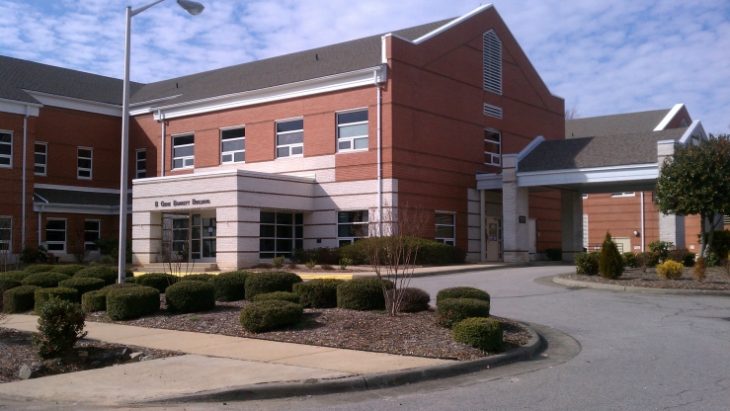
R.J. Blackley Alcohol and Drug Abuse Treatment Center was a state operated addiction treatment center in Butner, North Carolina serving adults with substance use disorders and co-occurring mental health conditions.
I want to note that this facility permanently closed on March 1, 2023 and is no longer accepting admissions.
Before closing, it was one of North Carolina’s three state operated ADATCs, combining detox, inpatient care and psychiatric stabilization in one setting.
The former campus is being converted into a 54 bed inpatient psychiatric hospital for children and adolescents operated by UNC Health.
What kinds of treatment were offered?
The facility provided medically monitored detox, inpatient substance use treatment and psychiatric stabilization across 62 inpatient beds.
Additional services included medical and nursing care, substance use and mental health education, recreational therapy, family services and discharge planning.
Who was served here?
R.J. Blackley ADATC treated adults ages 18 and older with substance use disorders and co-occurring mental health needs.
It primarily served North Carolina’s central region through both voluntary and involuntary admissions under state law.
Where can former service areas turn now?
After the March 1, 2023 closure, North Carolina DHHS reassigned the facility’s former service counties to Walter B. Jones ADATC in Greenville and Julian F. Keith ADATC in Black Mountain, based on county of residence.
Medical record requests for R.J. Blackley are directed to Walter B. Jones ADATC Medical Records.
| Levels of Care | Detox Service Setting | Programs | Payment Options | ||
|---|---|---|---|---|---|
|
Inpatient
|
Outpatient
|
Partial hospitalization programs provide comprehensive treatment in a structured setting during the day but allow you to return home at night. These programs offer a balance of inpatient and outpatient rehab and provide intensive support without full-time residency. |
Aftercare programs provide ongoing support once you complete a rehab program. They may include several components to help you maintain sobriety, including therapy, community support groups, and relapse-prevention strategies. This gives you a network of resources as you reintegrate into your daily life. |
||
|
Hospital detox allows you to withdraw from drugs or alcohol in a hospital setting. It’s ideal for people with severe withdrawal symptoms or complex medical needs. You’ll receive constant monitoring, emergency care if needed and FDA-approved prescription medications. |
Inpatient detox occurs in a dedicated treatment facility. You’ll live there around the clock and receive intensive medical support and supervision to help manage your withdrawal symptoms. It is suitable for individuals with moderate to severe addictions as it ensures a stable detox environment. |
Outpatient detox gives you access to medically supervised withdrawal services while still allowing you to live at home. You’ll attend a clinic for treatment and monitoring. This flexible option is suitable for those with mild to moderate withdrawal symptoms who have strong support systems. |
|||
|
Adult programs address the substance use and life challenges specific to adults. Therapists can deliver sessions in individual, group, and family settings. Services often include job support and life-skills training in a structured environment.
|
Young adult programs are designed for individuals who are transitioning into adulthood. Topics of discussion typically include identity, independence, and peer relationships. Providers may also offer life-skills training and career support.
|
Women's programs offer a safe and supportive space to focus on gender-specific issues such as trauma, family roles, and mental health conditions. Therapists tailor the sessions to address women's needs and foster empowerment in a healing and nurturing environment.
|
Men's programs address substance use while also considering the social pressures, family roles, and mental health concerns that are specific to men. You’ll learn healthy coping mechanisms as you build emotional resilience and develop communication skills.
|
LGBTQ-friendly programs create an inclusive and affirming space for recovery. Treatment is sensitive to issues like discrimination and stigma. You’ll receive support and therapy that respects and acknowledges your unique experiences.
|
Military / Veterans
|
|
Self Pay
|
Medicaid
|
Medicare
|
State Family Services
|
Private Insurance
|
Levels of Care
Partial hospitalization programs provide comprehensive treatment in a structured setting during the day but allow you to return home at night. These programs offer a balance of inpatient and outpatient rehab and provide intensive support without full-time residency.
Aftercare programs provide ongoing support once you complete a rehab program. They may include several components to help you maintain sobriety, including therapy, community support groups, and relapse-prevention strategies. This gives you a network of resources as you reintegrate into your daily life.
Detox Service Setting
Hospital detox allows you to withdraw from drugs or alcohol in a hospital setting. It’s ideal for people with severe withdrawal symptoms or complex medical needs. You’ll receive constant monitoring, emergency care if needed and FDA-approved prescription medications.
Inpatient detox occurs in a dedicated treatment facility. You’ll live there around the clock and receive intensive medical support and supervision to help manage your withdrawal symptoms. It is suitable for individuals with moderate to severe addictions as it ensures a stable detox environment.
Outpatient detox gives you access to medically supervised withdrawal services while still allowing you to live at home. You’ll attend a clinic for treatment and monitoring. This flexible option is suitable for those with mild to moderate withdrawal symptoms who have strong support systems.
Programs
Amenities
Accepted Insurance
Contact


- Monday Open 24 hours
- Tuesday Open 24 hours
- Wednesday Open 24 hours
- Thursday Open 24 hours
- Friday Open 24 hours
- Saturday Open 24 hours
- Sunday Open 24 hours

Natalie is a recent Purdue University graduate where she studied Psychology and Creative Writing. She’s a fierce advocate for others and is committed to always showing up with a compassionate heart. She enjoys writing poetry, dancing, and playing piano in her free time.
Detox.com regularly reviews this listing for accuracy but changes may occur between updates. For the most up-to-date information, please contact R.J. Blackley ADATC.