

 800-262-4205
Rocky Mountain Treatment Center

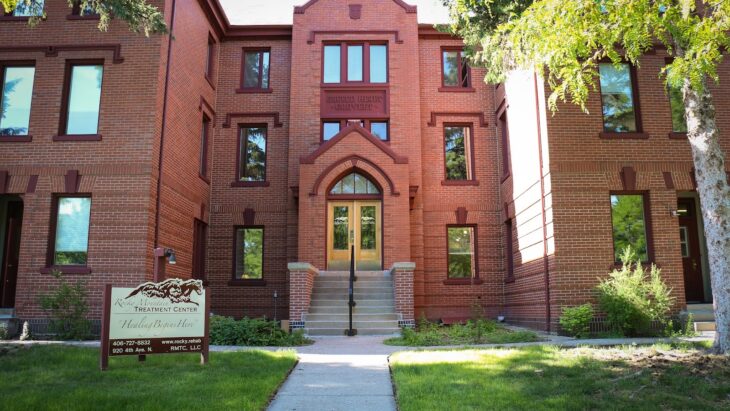

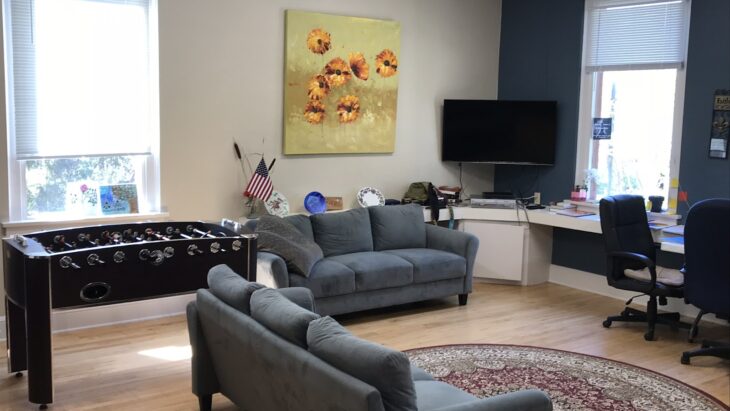



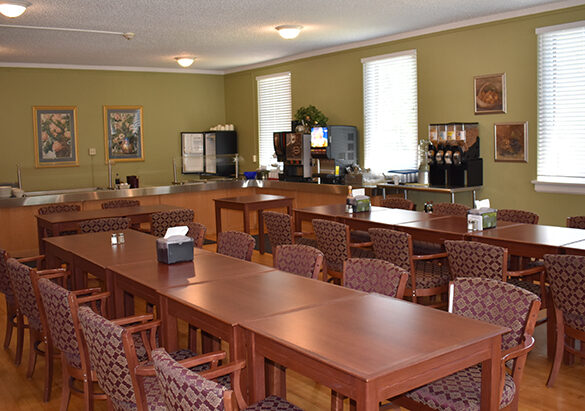
About Rocky Mountain Treatment Center
Hope, healing, and faith come together at the Rocky Mountain Treatment Center in Great Falls, Montana. This drug treatment facility incorporates evidence based practices and the power of holistic healing to help you through drug, alcohol, or opioid use disorders.
Medically supervised detox is followed by an intensive inpatient treatment program that encourages you to focus on your strengths, repair broken relationships, and experience recovery through nature, peer support, and faith.
They’re in network with most commercial insurance providers and have financing options available to help make treatment more affordable.
Medically Supervised Detox
Their 24/7 supervised medical detox program is the first step to help you take back your life. This process lasts anywhere from a couple of days to a week. While detoxing, you can watch TV, exercise, or even smoke outside.
After that comes the inpatient treatment program, which generally lasts around 30 days. There’s an option for an extension if needed. Throughout the process, counseling and medical support inaugurate a lifestyle that promotes healthy behaviors. The program is heavily rooted in the 12 Steps so you can tap your faith as a source of support.
Holistic Recovery
Channeling the beauty of Great Falls, Montana, Rocky Mountain Treatment Center gives you the opportunity to immerse yourself in equine therapy, recreational activities, and aftercare to find meaning and purpose in your life. You’ll gain a sense of peace and responsibility while working with horses without the fear of being judged or criticized.
Also, you can go on regular outdoor excursions like hiking adventures, trips to the park, and visits to local museums and nearby attractions. You’ll even get to venture out with your peers to the local movie theater, enjoy karaoke night, and go bowling.
It’s through these activities that you’ll begin to feel the positive influences of what sober life can provide. All the while, you’ll learn the skills to help you overcome circumstances that might pose a risk of relapse.
| Levels of Care | Detox Service Setting | Programs | Payment Options | |||||
|---|---|---|---|---|---|---|---|---|
|
Inpatient and residential programs provide round-the-clock medical and emotional support as you live at the treatment facility. This level of care may be recommended if you have severe addictions or mental health conditions since it removes outside distractions and allows you to focus solely on therapy. |
In outpatient therapy, you’ll attend therapy sessions several times each week while living at home. This is ideal if you have a strong support system and a lower risk of relapse. Outpatient treatment offers flexibility to maintain work, school or family obligations. |
Aftercare programs provide ongoing support after you complete a rehab program. They may include several components to help you maintain sobriety including therapy, community support groups and relapse prevention strategies. This gives you a network of resources as you reintegrate into your daily life. |
Dual diagnosis programs address substance use disorders and co-occurring mental health conditions simultaneously. This integrated approach to care improves the likelihood of long term recovery and stability by addressing the root causes of addiction. |
|||||
|
Inpatient detox occurs in a dedicated treatment facility. You’ll live there around the clock and receive intensive medical support and supervision to help manage your withdrawal symptoms. It is suitable for individuals with moderate to severe addictions as it ensures a stable detox environment. |
Outpatient detox gives you access to medically supervised withdrawal services while still allowing you to live at home. You’ll attend a clinic for treatment and monitoring. This flexible option is suitable for those with mild to moderate withdrawal symptoms who have strong support systems. |
|||||||
|
Adult programs address the substance use and life challenges specific to adults. Therapists can deliver sessions in individual, group and family settings. Services often include job support and life skills training in a structured environment.
|
Alcohol detox programs offer medical support to help individuals withdraw safely from alcohol. Your care team may use medications to ease your symptoms and provide medical monitoring to address complications.
|
Cognitive behavioral therapy focuses on changing harmful thought patterns and behaviors associated with addiction. You’ll learn healthier coping mechanisms by identifying and replacing negative thoughts. This improves your emotional resilience and decreases your relapse potential.
|
Men's programs address substance use while also considering the social pressures, family roles and mental health concerns that are specific to men. You’ll learn healthy coping mechanisms as you build emotional resilience and develop communication skills.
|
Opioid detox uses medications to ease severe withdrawal symptoms. It also includes medical supervision to help you manage potential complications. These services allow you to stabilize and begin a recovery plan.
|
Women's programs offer a safe and supportive space to focus on gender specific issues such as trauma, family roles and mental health conditions. Therapists tailor the sessions to address women's needs and foster empowerment in a healing and nurturing environment.
|
Young adult programs are designed for individuals who are transitioning into adulthood. Topics of discussion typically include identity, independence and peer relationships. Providers may also offer life skills training and career support.
|
Medical detox at Rocky Mountain Treatment Center supports clients withdrawing from opioids, benzodiazepines, and other substances under continuous medical supervision in Great Falls, Montana. |
Rocky Mountain Treatment Center incorporates recreational and fitness-based activities into its holistic approach, supporting physical and emotional healing alongside clinical detox and rehab services. |
|
Payment Assistance
|
Private Insurance
|
Self Pay
|
Medicaid
|
Medicare
|
Levels of Care
Inpatient and residential programs provide round-the-clock medical and emotional support as you live at the treatment facility. This level of care may be recommended if you have severe addictions or mental health conditions since it removes outside distractions and allows you to focus solely on therapy.
In outpatient therapy, you’ll attend therapy sessions several times each week while living at home. This is ideal if you have a strong support system and a lower risk of relapse. Outpatient treatment offers flexibility to maintain work, school or family obligations.
Aftercare programs provide ongoing support after you complete a rehab program. They may include several components to help you maintain sobriety including therapy, community support groups and relapse prevention strategies. This gives you a network of resources as you reintegrate into your daily life.
Dual diagnosis programs address substance use disorders and co-occurring mental health conditions simultaneously. This integrated approach to care improves the likelihood of long term recovery and stability by addressing the root causes of addiction.
Detox Service Setting
Inpatient detox occurs in a dedicated treatment facility. You’ll live there around the clock and receive intensive medical support and supervision to help manage your withdrawal symptoms. It is suitable for individuals with moderate to severe addictions as it ensures a stable detox environment.
Outpatient detox gives you access to medically supervised withdrawal services while still allowing you to live at home. You’ll attend a clinic for treatment and monitoring. This flexible option is suitable for those with mild to moderate withdrawal symptoms who have strong support systems.
Programs
Medical detox at Rocky Mountain Treatment Center supports clients withdrawing from opioids, benzodiazepines, and other substances under continuous medical supervision in Great Falls, Montana.
Rocky Mountain Treatment Center incorporates recreational and fitness-based activities into its holistic approach, supporting physical and emotional healing alongside clinical detox and rehab services.
Amenities
Accreditations

Accepted Insurance





Contact



Nadia holds a Master’s in Secondary Education and serves secondary ed. students and their families through the Shenandoah Valley. When she’s not working with students, Nadia is a contributing writer at LawCommentary.com, offering legal insight into laws, regulations, and accountability concerning the national opioid epidemic.

Peter W.Y. Lee is a historian with a focus in American Cold War culture. He has examined how popular culture has served as a coping mechanism for the challenges and changes impacting American society throughout the twentieth century.
Detox.com regularly reviews this listing for accuracy but changes may occur between updates. For the most up-to-date information, please contact Rocky Mountain Treatment Center.
Nearby Detox Centers
Search by Montana Cities
FAQs
What detox programs does Rocky Mountain Treatment Center offer in Great Falls?
Rocky Mountain Treatment Center in Great Falls provides detoxification services for individuals struggling with substance use. The facility offers medical detox with clinical supervision to manage withdrawal symptoms safely. Specific program details and treatment pathways are available through the center’s clinical team, which can assess individual needs and recommend appropriate levels of care.
Is medical detox with 24/7 monitoring available at Rocky Mountain Treatment Center?
Yes, Rocky Mountain Treatment Center provides medical detoxification with clinical oversight to ensure safe withdrawal management. The medical team supervises detox to address withdrawal symptoms and provide comfort care. This supervised approach helps reduce medical risks and increases the likelihood of completing the detox process successfully.
How long does detoxification typically last at Rocky Mountain Treatment Center?
Detox duration varies based on individual factors including the substance used, medical history, and severity of dependence. Rocky Mountain Treatment Center’s clinical team completes an assessment during intake to determine personalized detox timelines. Most medical detox programs range from three to ten days, though some individuals may benefit from extended observation.
What is the intake and admission process for detox at Rocky Mountain Treatment Center?
Rocky Mountain Treatment Center begins with an initial assessment to evaluate medical history, substance use patterns, and withdrawal risk. The clinical team reviews insurance, discusses payment options, and explains the detox program structure. Once admitted, individuals receive a treatment plan and begin medical supervision to manage withdrawal safely and comfortably.
Does Rocky Mountain Treatment Center accept insurance for detoxification services?
Rocky Mountain Treatment Center works with insurance to help cover detox costs. The facility’s admissions team verifies coverage and discusses payment responsibility during intake. Individuals without insurance can also explore payment plans and out-of-pocket options by contacting the center directly to understand costs and financial assistance.