800-262-4205
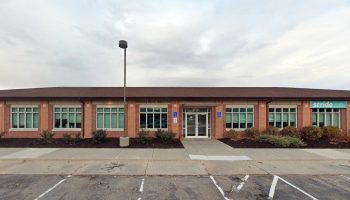
Grand Island VA Medical Center


About Grand Island VA Medical Center
The Grand Island VA Medical Center serves veterans and military members by providing multiple medical services, laboratory testing, and mental healthcare. They also have medical detox, residential and outpatient programs and medication assisted treatment (MAT) for substance use disorders. You’ll find ’em located out in Grand Island, Nebraska.
Most patients use VA coverage for any care that’s service related. You can also get non-service related care at the VA by using Medicare, Medicaid or private insurance. Referrals are required, but they’re open 24/7.
Supporting Veterans with Holistic Care in Grand Island
One unique aspect of treatment at the Grand Island VA is their recreation and creative arts therapy program. This service is offered in conjunction with their residential treatment program for substance use and co-occurring mental health disorders.
The program gives veterans unique ways to express themselves and manage stress. It includes music and art therapy, gardening, physical and table games, and animal assisted therapy.
Veterans can partake in the Omaha VA Veteran Creative Arts Competition as well as local events. Experimenting with different activities can help you find new hobbies and healthy coping mechanisms to use once you finish treatment.
| Levels of Care | Detox Service Setting | Programs | Payment Options | |||||||||
|---|---|---|---|---|---|---|---|---|---|---|---|---|
|
Eligible Veterans may receive residential rehabilitation treatment program (RRTP) care through the connected VA Nebraska-Western Iowa Health Care System, which provides live-in substance use recovery support beyond local outpatient services. |
Partial hospitalization programs provide comprehensive treatment in a structured setting during the day but allow you to return home at night. These programs offer a balance of inpatient and outpatient rehab and provide intensive support without full time residency. |
Grand Island VA Medical Center provides outpatient substance use disorder treatment for Veterans, with individual and group counseling available alongside coordinated primary care, mental health, and pharmacy services at its central Nebraska location. |
Aftercare programs provide ongoing support after you complete a rehab program. They may include several components to help you maintain sobriety including therapy, community support groups and relapse prevention strategies. This gives you a network of resources as you reintegrate into your daily life. |
Grand Island VA Medical Center addresses substance use disorders alongside conditions such as PTSD, depression, and anxiety, so Veterans receive treatment for both concerns through one coordinated VA behavioral health care team. |
An intervention is a structured and professionally guided conversation with an individual who is struggling with addiction. During the conversation, family and friends will encourage you to seek treatment. This is often a pivotal step for those resistant to getting help. |
Sober living homes provide a supportive and substance free environment for you to live in as you overcome your addiction. Residents must follow house rules and support each other’s recovery journeys. Sober living fosters accountability and stability during this critical phase of recovery. |
An intensive outpatient program offers eligible Veterans structured, more frequent treatment for alcohol and drug addiction through VA Nebraska-Western Iowa Health Care System substance use programming, building on the outpatient services available in Grand Island. |
|||||
|
Inpatient detox occurs in a dedicated treatment facility. You’ll live there around the clock and receive intensive medical support and supervision to help manage your withdrawal symptoms. It is suitable for individuals with moderate to severe addictions as it ensures a stable detox environment. |
Substance use disorder treatment is delivered on an outpatient basis, allowing Veterans to attend counseling and receive medication support for alcohol and drug addiction while living at home and staying connected to their community. |
Buprenorphine and naltrexone are offered as medication for opioid use disorder (MOUD), allowing the medical team to treat opioid addiction with medication-assisted treatment while counseling and pharmacy services support each Veteran’s outpatient recovery. |
||||||||||
|
As a VA medical facility, the center serves Veterans, an adult population, so substance use disorder care, mental health services, and specialty programming are geared toward adult men and women. |
Outpatient treatment for alcohol addiction is part of the substance use disorder program, where individual and group counseling and evidence-based therapies help Veterans address drinking alongside co-occurring PTSD, depression, or anxiety. |
Evidence-based therapies anchor the substance use disorder treatment programs, delivered through individual and group counseling that helps Veterans build recovery skills while managing related mental health needs at this Nebraska facility. |
Exercise therapy incorporates physical activity into treatment to promote mental and physical health. Regular exercise reduces stress, boosts mood and enhances your overall wellbeing. This can give you a positive outlook and lower your relapse risk.
|
LGBTQ friendly programs create an inclusive and affirming space for recovery. Treatment is sensitive to issues like discrimination and stigma. You’ll receive support and therapy that respects and acknowledges your unique experiences.
|
Men's programs address substance use while also considering the social pressures, family roles and mental health concerns that are specific to men. You’ll learn healthy coping mechanisms as you build emotional resilience and develop communication skills.
|
Grand Island VA Medical Center builds its services around Veteran care, offering substance use treatment alongside PTSD care, military sexual trauma counseling, same-day crisis help, and support for homeless Veterans in central Nebraska. |
Medication for opioid use disorder, including buprenorphine and naltrexone, gives Veterans access to medication-assisted treatment for opioid addiction, coordinated with counseling and on-site pharmacy services within the outpatient SUD program. |
Rational behavior therapy helps you identify irrational beliefs that contribute to an addiction. Challenging and modifying those beliefs helps you develop healthier attitudes and behaviors. This therapy supports long term sobriety and sustainable recovery.
|
Senior programs address the unique needs of older adults like chronic pain, grief and isolation. Programs include peer support and medical oversight for age related health concerns. The goal is to improve quality of life and promote sober aging.
|
Women's programs offer a safe and supportive space to focus on gender specific issues such as trauma, family roles and mental health conditions. Therapists tailor the sessions to address women's needs and foster empowerment in a healing and nurturing environment.
|
Young adult programs are designed for individuals who are transitioning into adulthood. Topics of discussion typically include identity, independence and peer relationships. Providers may also offer life skills training and career support.
|
The substance use disorder program treats alcohol, opioid, and other drug addictions, combining counseling with medical center resources so Veterans managing multiple substance use patterns receive coordinated care in one familiar setting. |
|
Payment Assistance
|
Medicaid
|
Medicare
|
Military Insurance
|
Private Insurance
|
Self Pay
|
Free
|
Levels of Care
Eligible Veterans may receive residential rehabilitation treatment program (RRTP) care through the connected VA Nebraska-Western Iowa Health Care System, which provides live-in substance use recovery support beyond local outpatient services.
Partial hospitalization programs provide comprehensive treatment in a structured setting during the day but allow you to return home at night. These programs offer a balance of inpatient and outpatient rehab and provide intensive support without full time residency.
Grand Island VA Medical Center provides outpatient substance use disorder treatment for Veterans, with individual and group counseling available alongside coordinated primary care, mental health, and pharmacy services at its central Nebraska location.
Aftercare programs provide ongoing support after you complete a rehab program. They may include several components to help you maintain sobriety including therapy, community support groups and relapse prevention strategies. This gives you a network of resources as you reintegrate into your daily life.
Grand Island VA Medical Center addresses substance use disorders alongside conditions such as PTSD, depression, and anxiety, so Veterans receive treatment for both concerns through one coordinated VA behavioral health care team.
An intervention is a structured and professionally guided conversation with an individual who is struggling with addiction. During the conversation, family and friends will encourage you to seek treatment. This is often a pivotal step for those resistant to getting help.
Sober living homes provide a supportive and substance free environment for you to live in as you overcome your addiction. Residents must follow house rules and support each other’s recovery journeys. Sober living fosters accountability and stability during this critical phase of recovery.
An intensive outpatient program offers eligible Veterans structured, more frequent treatment for alcohol and drug addiction through VA Nebraska-Western Iowa Health Care System substance use programming, building on the outpatient services available in Grand Island.
Detox Service Setting
Inpatient detox occurs in a dedicated treatment facility. You’ll live there around the clock and receive intensive medical support and supervision to help manage your withdrawal symptoms. It is suitable for individuals with moderate to severe addictions as it ensures a stable detox environment.
Substance use disorder treatment is delivered on an outpatient basis, allowing Veterans to attend counseling and receive medication support for alcohol and drug addiction while living at home and staying connected to their community.
Buprenorphine and naltrexone are offered as medication for opioid use disorder (MOUD), allowing the medical team to treat opioid addiction with medication-assisted treatment while counseling and pharmacy services support each Veteran’s outpatient recovery.
Programs
As a VA medical facility, the center serves Veterans, an adult population, so substance use disorder care, mental health services, and specialty programming are geared toward adult men and women.
Outpatient treatment for alcohol addiction is part of the substance use disorder program, where individual and group counseling and evidence-based therapies help Veterans address drinking alongside co-occurring PTSD, depression, or anxiety.
Evidence-based therapies anchor the substance use disorder treatment programs, delivered through individual and group counseling that helps Veterans build recovery skills while managing related mental health needs at this Nebraska facility.
Grand Island VA Medical Center builds its services around Veteran care, offering substance use treatment alongside PTSD care, military sexual trauma counseling, same-day crisis help, and support for homeless Veterans in central Nebraska.
Medication for opioid use disorder, including buprenorphine and naltrexone, gives Veterans access to medication-assisted treatment for opioid addiction, coordinated with counseling and on-site pharmacy services within the outpatient SUD program.
The substance use disorder program treats alcohol, opioid, and other drug addictions, combining counseling with medical center resources so Veterans managing multiple substance use patterns receive coordinated care in one familiar setting.
Amenities
Accreditations


Contact



Anna Spooner has spent more than a decade writing about addiction and healthcare. She loves helping people understand their treatment options and removing the anxiety they might feel about seeking help. Anna lives in the Midwestern U.S. with her husband and two cats.

Peter W.Y. Lee is a historian with a focus in American Cold War culture. He has examined how popular culture has served as a coping mechanism for the challenges and changes impacting American society throughout the twentieth century.
Detox.com regularly reviews this listing for accuracy but changes may occur between updates. For the most up-to-date information, please contact Grand Island VA Medical Center.