800-262-4205
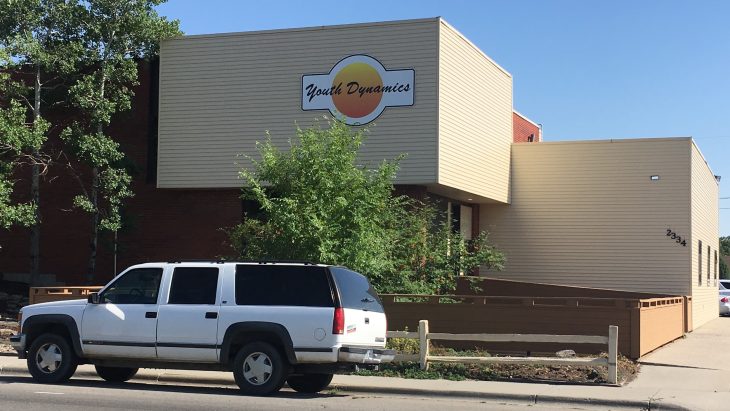
Youth Dynamics Billings

About Youth Dynamics Billings
Youth Dynamics Billings is a nonprofit behavioral health agency that provides outpatient mental health and addiction treatment for children, adolescents and young adults up to age 21 throughout Montana. The organization delivers research supported therapies, including cognitive behavioral therapy, dialectical behavior therapy, motivational interviewing and trauma related counseling.
They address co-occurring mental health and substance use concerns. Youth Dynamics emphasizes strength based, family focused care that meets young people where they are and helps them build lasting skills for recovery and emotional well being.
Youth Addiction and Mental Health Treatment in Montana
Youth Dynamics focuses exclusively on supporting children and teens who are managing substance use disorders and behavioral health challenges. Services are provided by Licensed Addictions Counselors and clinical professionals who are trained to work with pediatric and adolescent populations. When detox or medication assisted treatment is required, they can provide referrals to local community resources.
As one of the largest providers of comprehensive children’s mental health services in Montana, the organization serves approximately 2,700 youth each year. Each client receives a customized, integrated treatment plan designed to reflect personal strengths, family dynamics, and individual recovery goals.
Evidence Based Treatment Modalities Address Challenges and Relapse Prevention
Treatment includes individual counseling, group therapy, and family sessions through intensive outpatient and standard outpatient programs. Services incorporate relapse prevention strategies, 12 step facilitation, contingency management and brief intervention techniques. This approach helps address the underlying causes of addiction and emotional distress while teaching practical coping and life skills.
Flexible, Family Centered Care Delivery
Youth Dynamics offers services in schools, homes, parks, and office settings, depending on family preference and individual needs. Flexible scheduling options include morning appointments, evening sessions and home visits to accommodate busy family routines.
This adaptable service model improves access to care and reduces common barriers for families, especially those living in Montana’s rural and frontier communities. By bringing support directly to clients, Youth Dynamics helps ensure timely and consistent engagement in treatment.
The organization accepts Medicaid, Medicare, private insurance, and military related insurance. Sliding scale fees are offered based on household income, and services are not denied based on ability to pay.
| Levels of Care | Detox Service Setting | Programs | Payment Options | ||
|---|---|---|---|---|---|
|
In outpatient therapy, you’ll attend therapy sessions several times each week while living at home. This is ideal if you have a strong support system and a lower risk of relapse. Outpatient treatment offers flexibility to maintain work, school or family obligations. |
Dual diagnosis programs address substance use disorders and co-occurring mental health conditions simultaneously. This integrated approach to care improves the likelihood of long term recovery and stability by addressing the root causes of addiction. |
||||
|
Outpatient detox gives you access to medically supervised withdrawal services while still allowing you to live at home. You’ll attend a clinic for treatment and monitoring. This flexible option is suitable for those with mild to moderate withdrawal symptoms who have strong support systems. |
|||||
|
Alcohol detox programs offer medical support to help individuals withdraw safely from alcohol. Your care team may use medications to ease your symptoms and provide medical monitoring to address complications.
|
LGBTQ friendly programs create an inclusive and affirming space for recovery. Treatment is sensitive to issues like discrimination and stigma. You’ll receive support and therapy that respects and acknowledges your unique experiences.
|
Men's programs address substance use while also considering the social pressures, family roles and mental health concerns that are specific to men. You’ll learn healthy coping mechanisms as you build emotional resilience and develop communication skills.
|
Opioid detox uses medications to ease severe withdrawal symptoms. It also includes medical supervision to help you manage potential complications. These services allow you to stabilize and begin a recovery plan.
|
Women's programs offer a safe and supportive space to focus on gender specific issues such as trauma, family roles and mental health conditions. Therapists tailor the sessions to address women's needs and foster empowerment in a healing and nurturing environment.
|
Young adult programs are designed for individuals who are transitioning into adulthood. Topics of discussion typically include identity, independence and peer relationships. Providers may also offer life skills training and career support.
|
|
Payment Assistance
|
Medicaid
|
Military Insurance
|
Private Insurance
|
Self Pay
|
Levels of Care
In outpatient therapy, you’ll attend therapy sessions several times each week while living at home. This is ideal if you have a strong support system and a lower risk of relapse. Outpatient treatment offers flexibility to maintain work, school or family obligations.
Dual diagnosis programs address substance use disorders and co-occurring mental health conditions simultaneously. This integrated approach to care improves the likelihood of long term recovery and stability by addressing the root causes of addiction.
Detox Service Setting
Outpatient detox gives you access to medically supervised withdrawal services while still allowing you to live at home. You’ll attend a clinic for treatment and monitoring. This flexible option is suitable for those with mild to moderate withdrawal symptoms who have strong support systems.
Programs
Contact



Gayle Morris, BSN, MSN, received her bachelor’s degree from the University of Illinois Chicago Medical Center and her first master’s degree from Indiana University Purdue University Indianapolis. She practiced nursing for more than two decades with a focus on pediatric physical rehabilitation, helping children and their parents after a head injury or spinal cord injury. She has been a freelance writer in health, wellness, and mental health for more than 15 years. She loves exercise, her dogs and guinea pigs, and gardening.
Detox.com regularly reviews this listing for accuracy but changes may occur between updates. For the most up-to-date information, please contact Youth Dynamics Billings.