

 405-259-4148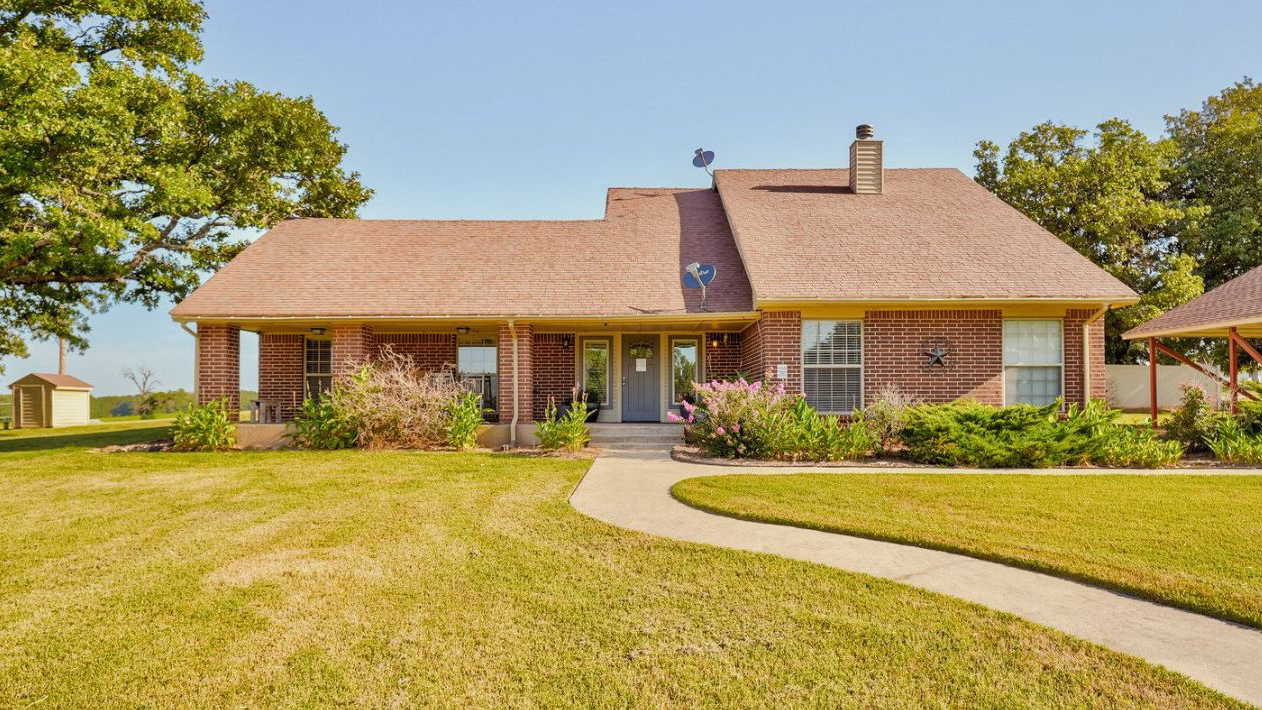
Country Road Recovery Center
Tecumseh, OK
74873

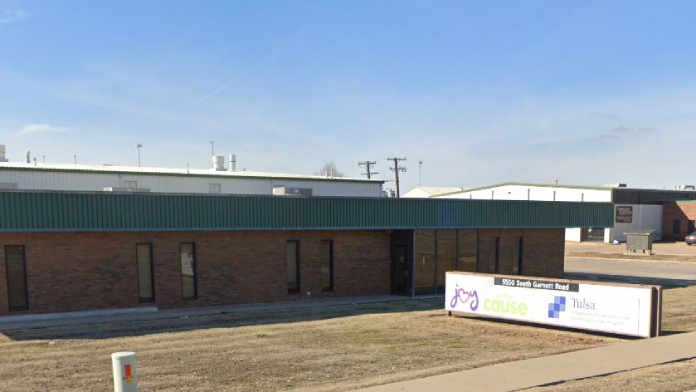
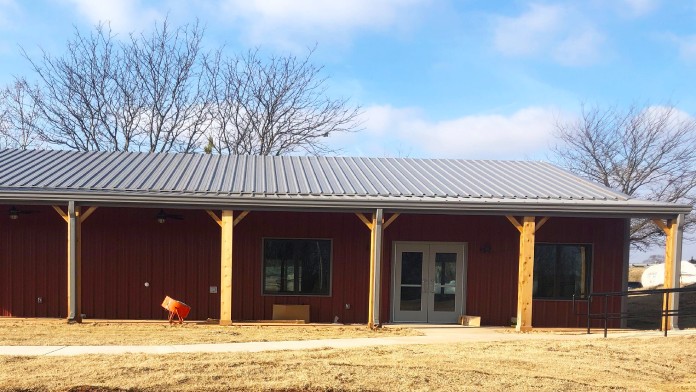
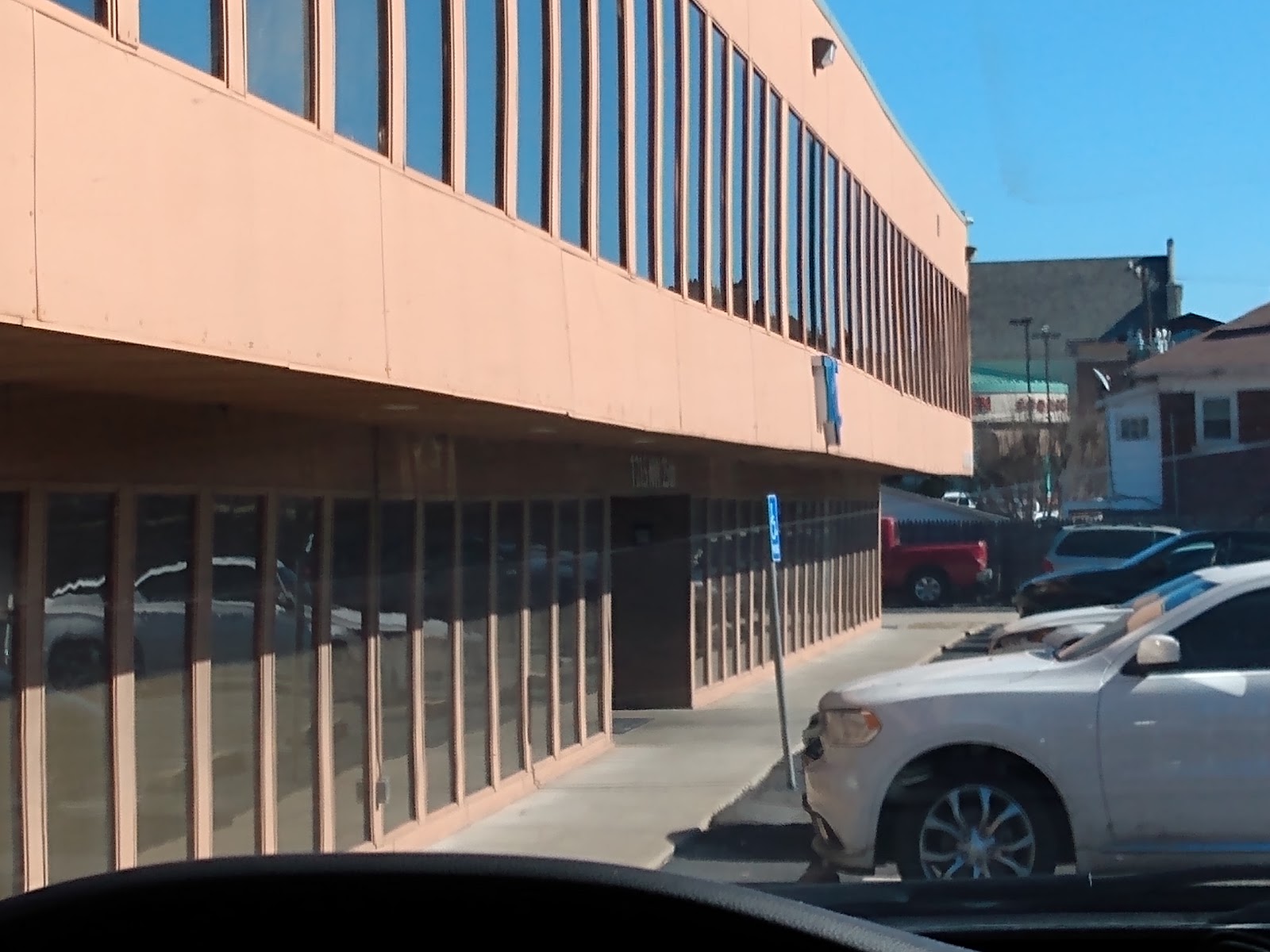
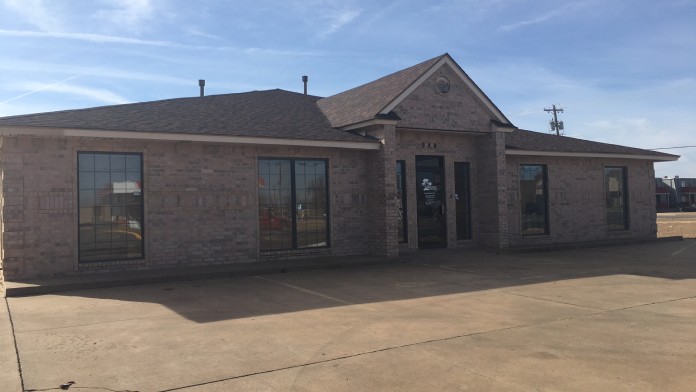
| Name | Address | Detox Service Setting | Levels Of Care | Media |
|---|---|---|---|---|
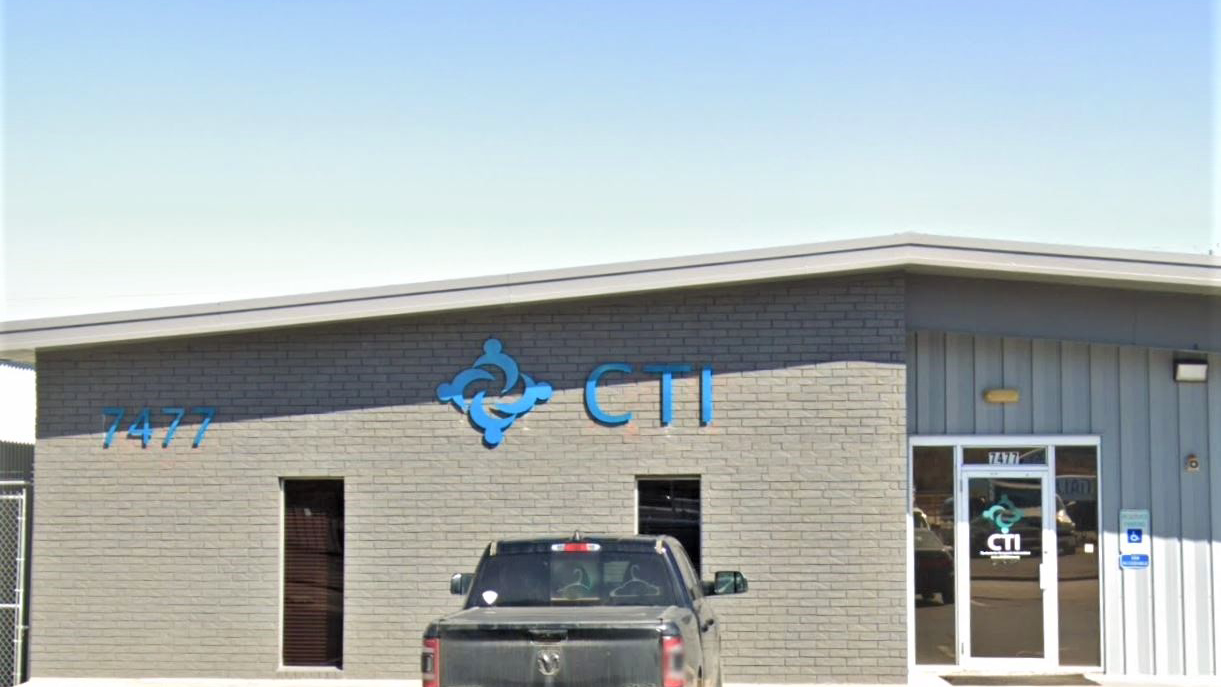
Center for Therapeutic Interventions |
7477 East 46th Place Tulsa, OK 74145 |
Detox Service Setting
Outpatient Detox
|
Levels Of Care
OutpatientAftercareDual Diagnosis+1
|
|
Country Road Recovery Center |
24962 Okay Road Tecumseh, OK 74873 |
Detox Service Setting
Inpatient Detox
|
Levels Of Care
InpatientAftercareDual Diagnosis
|

|
Firstep Women’s Recovery Program |
12511 S Sooner Rd Oklahoma City, OK 73165 |
Detox Service Setting
Inpatient DetoxOutpatient Detox
|
Levels Of Care
InpatientOutpatient
|

|
H.O.W Foundation |
5649 S Garnett Rd Tulsa, OK 74146 |
Detox Service Setting
Inpatient DetoxOutpatient Detox
|
Levels Of Care
InpatientOutpatient
|
|
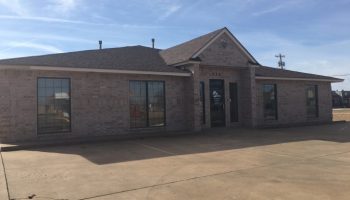
Hefner Comprehensive Treatment Center |
948 W Hefner Rd Oklahoma City, OK 73114 |
Detox Service Setting
Inpatient DetoxOutpatient Detox
|
Levels Of Care
InpatientOutpatient
|
|
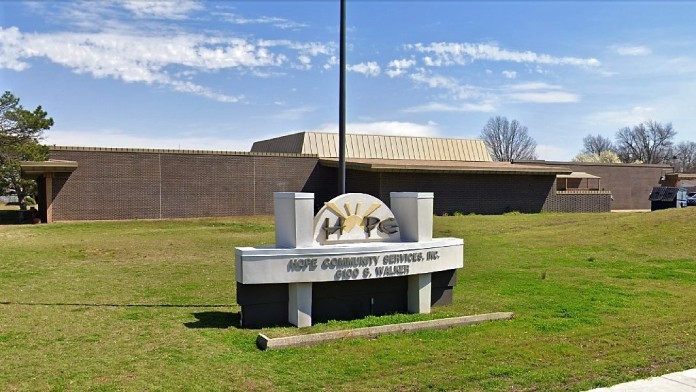
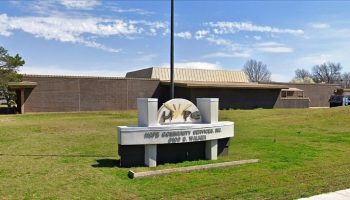
Hope Community Services Wellness and Recovery |
6100 South Walker Avenue Oklahoma City, OK 73139 |
Detox Service Setting
Inpatient DetoxOutpatient Detox
|
Levels Of Care
InpatientOutpatientIntensive Outpatient+1
|
|
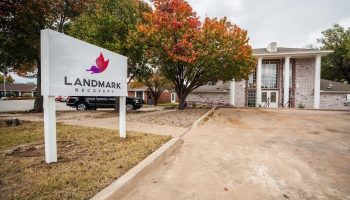
Landmark Recovery Oklahoma City – Closed |
2412 North Ann Arbor Avenue Oklahoma City, OK 73127 |
Detox Service Setting
Inpatient DetoxOutpatient DetoxMAT
|
Levels Of Care
InpatientPHPOutpatient+1
|
|
Laureate Psychiatric Clinic and Hospital |
6655 South Yale Avenue Tulsa, OK 74136 |
Detox Service Setting
Inpatient DetoxOutpatient Detox
|
Levels Of Care
InpatientOutpatientAftercare+2
|

|
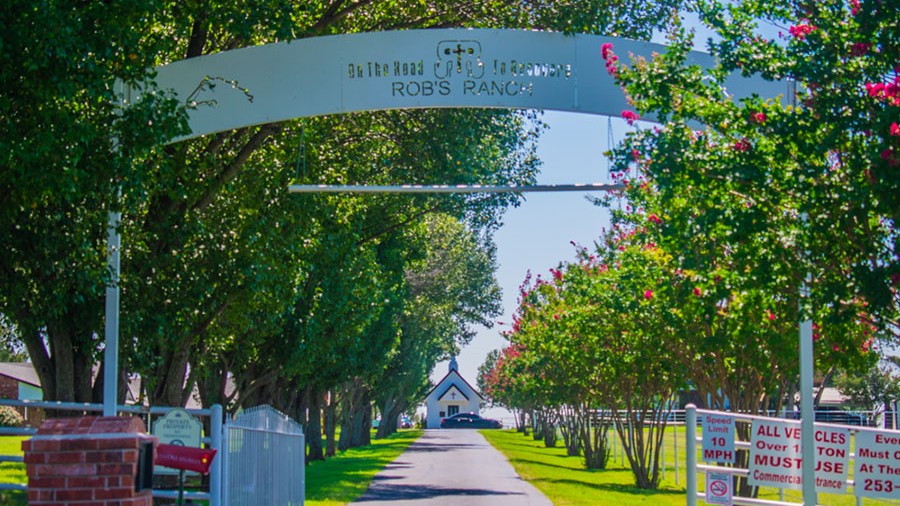
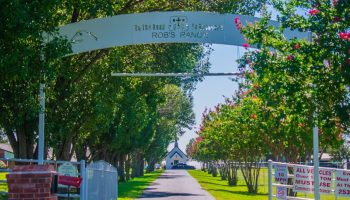
Robs Ranch |
23899 Oklahoma 74 Purcell, OK 73080 |
Detox Service Setting
Inpatient DetoxOutpatient Detox
|
Levels Of Care
InpatientOutpatientAftercare+2
|
|
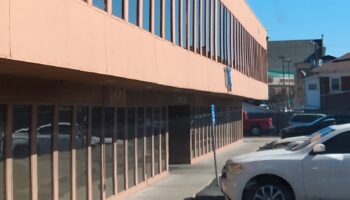
The Recovery Center |
1215 Northwest 25th Street Oklahoma City, OK 73106 |
Detox Service Setting
Inpatient DetoxOutpatient Detox
|
Levels Of Care
InpatientOutpatientAftercare+1
|
|
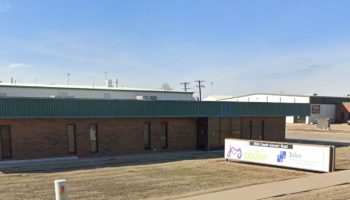
Tulsa Comprehensive Treatment Center |
5550 South Garnett Tulsa, OK 74146 |
Detox Service Setting
Outpatient Detox
|
Levels Of Care
OutpatientDual Diagnosis
|
|
Catalyst Behavioral Services Community House Residential Program |
1501 Northeast 11th Street Oklahoma City, OK 73117 |
Detox Service Setting
Inpatient Detox
|
Levels Of Care
InpatientAftercareDual Diagnosis
|
|
Clay Crossing |
32018 Oklahoma 59 Maud, OK 74854 |
Detox Service Setting
Inpatient Detox
|
Levels Of Care
InpatientAftercareDual Diagnosis+1
|
|
Drug Recovery Inc DBA Catalyst Behavioral Services |
3033 North Walnut Avenue Oklahoma City, OK 73105 |
Detox Service Setting
Outpatient DetoxMAT
|
Levels Of Care
Outpatient
|
|
Human Skills and Resources Inc |
2 North Water Street Sapulpa, OK 74066 |
Detox Service Setting
Outpatient DetoxMAT
|
Levels Of Care
InpatientOutpatientPHP
|
|
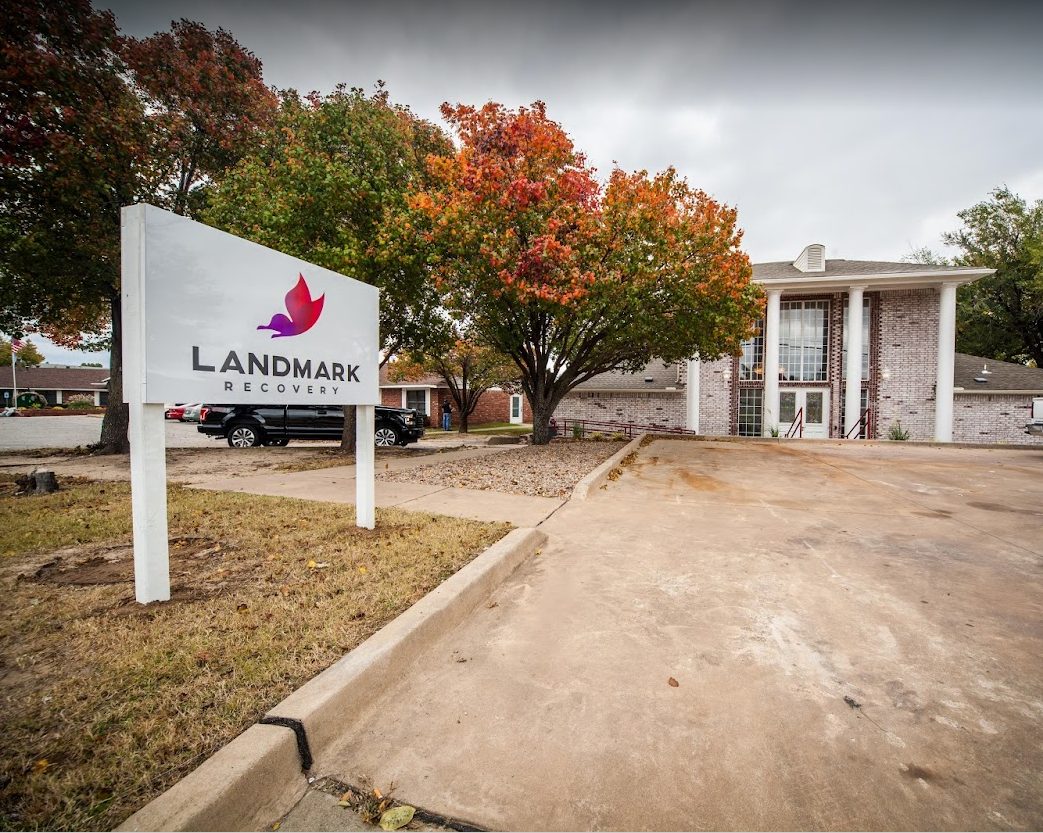
Landmark Recovery Oklahoma City |
2412 North Ann Arbor Oklahoma City, OK 73127 |
Detox Service Setting
Inpatient DetoxOutpatient DetoxMAT
|
Levels Of Care
InpatientPHPOutpatient+2
|
|
Oakwood Springs |
13101 Memorial Springs Court Oklahoma City, OK 73114 |
Detox Service Setting
Hospital DetoxInpatient DetoxOutpatient Detox
|
Levels Of Care
InpatientOutpatientPHP+1
|
|
Oklahoma City Comprehensive Treatment Center |
1737 Linwood Boulevard Oklahoma City, OK 73106 |
Detox Service Setting
Outpatient DetoxMAT
|
Levels Of Care
Outpatient
|
|
Oklahoma Treatment Services |
5401 Southwest 29th Street Oklahoma City, OK 73179 |
Detox Service Setting
Outpatient DetoxMAT
|
Levels Of Care
Outpatient
|
|
Parkside Psychiatric Hospital & Clinic |
1239 South Trenton Avenue Tulsa, OK 74120 |
Detox Service Setting
Hospital DetoxInpatient DetoxOutpatient Detox
|
Levels Of Care
InpatientOutpatient
|
The Oklahoma Department of Mental Health and Substance Abuse Services (ODMHSAS) licenses all substance use disorder treatment programs in the state under Title 43A of the Oklahoma Statutes and OAC Title 450. Residential and medical detox providers face an extra requirement most outpatient programs do not: they must hold national accreditation in addition to state certification, and new residential providers must first obtain a Certificate of Need from ODMHSAS before they can bill SoonerCare, Oklahoma’s Medicaid program.
Oklahoma’s overdose picture looks different from most states. Methamphetamine, not fentanyl, is the substance most commonly involved in Oklahoma overdose deaths, appearing in roughly two out of three cases in 2024, and co-use of methamphetamine with fentanyl has become a growing driver of fatal overdoses statewide. Fentanyl deaths did fall sharply, dropping 34 percent from 2023 to 2024, but fentanyl was still involved in 86 percent of opioid-related deaths that year.
Legislatively, Oklahoma’s harm reduction framework is newer and more fragile than in many states. Senate Bill 511 legalized syringe service programs statewide, but the law is set to expire in 2026 without further legislative action, a deadline that matters for anyone researching detox in Oklahoma right now. In Tulsa County alone, an estimated 100,000 residents have a substance use disorder, and roughly 77 percent of those who need treatment are not currently receiving it.
Oklahoma’s detox costs vary by level of care and whether a facility is a state-certified outpatient program or a nationally accredited residential provider. Reviewing how much detox costs before insurance helps set expectations for treatment planning.
All four levels below reflect Oklahoma-specific averages. The added accreditation and Certificate of Need requirements for residential detox in Oklahoma can affect facility supply and, indirectly, wait times and pricing. These are cash-pay figures before insurance, Medicaid, or other aid; most people with coverage pay significantly less.
Medicare covers medically necessary detox and OTP services, including methadone, buprenorphine, and naltrexone, under Part B for Oklahoma beneficiaries. Cost-sharing depends on the treatment setting and specific Medicare Advantage plan network.
SoonerCare, administered by the Oklahoma Health Care Authority, covers SUD treatment including detox, residential care, outpatient services, and MAT. Residential providers must carry national accreditation to qualify for SoonerCare reimbursement, which can narrow the list of eligible facilities in some regions.
Several programs help Oklahomans cover the cost of detox:

The Oklahoma Opioid Abatement Board distributes settlement funds to community organizations expanding low-cost treatment access statewide.
ODMHSAS mails free naloxone and fentanyl test strips statewide through its overdose prevention program, reducing one barrier before someone is ready for detox.
Oklahoma’s Adult Drug Court and related specialty courts can direct eligible participants into treatment as an alternative to incarceration, often at reduced or no cost.
ODMHSAS-certified CMHCs operate in every service area of the state and offer sliding-fee addiction services regardless of ability to pay.
The following agencies govern detox and SUD treatment licensing in Oklahoma:
The state’s primary licensing authority under Title 43A, ODMHSAS certifies outpatient, residential, medical detox, and opioid substitution treatment programs, and requires national accreditation for residential-level providers.
OHCA administers SoonerCare, Oklahoma’s Medicaid program, and sets the accreditation and Certificate of Need requirements residential detox providers must meet for reimbursement eligibility.
The board overseeing allocation of Oklahoma’s opioid litigation settlement funds to treatment, prevention, and harm reduction programs across the state.
This unit tracks and publishes county-level overdose data statewide, providing the surveillance that informs harm reduction and treatment resource allocation. Learn more at the Oklahoma State Department of Health.
Medication-assisted treatment in Oklahoma is regulated federally under SAMHSA’s 42 CFR Part 8 and DEA rules, with ODMHSAS requiring opioid substitution treatment programs to also hold national accreditation and SAMHSA certification. Medication-assisted treatment has expanded through ODMHSAS’s Comprehensive Community Addiction Recovery Centers, which combine outpatient and medication clinic services with ambulatory withdrawal management at a single site.
Buprenorphine is available through outpatient prescribers and Comprehensive Community Addiction Recovery Centers statewide, and telehealth has widened access in Oklahoma’s rural counties. It is covered under SoonerCare with limited cost-sharing for most enrollees.
Methadone is dispensed only through ODMHSAS-certified opioid substitution treatment programs, which must also hold national accreditation and SAMHSA registration. Given how much methamphetamine drives Oklahoma’s overdose deaths, methadone programs increasingly screen for and address co-occurring stimulant use.
Naltrexone requires no special OTP certification and can be prescribed by any qualified provider, including Community Mental Health Centers. It is used for both opioid and alcohol use disorder and is covered under SoonerCare.
Oklahoma’s harm reduction infrastructure is young. Senate Bill 511 legalized syringe service programs statewide, and since then a small number of registered organizations have made a measurable dent: between 2022 and 2024, four registered harm reduction organizations served nearly 9,000 clients and distributed hundreds of thousands of syringes and naloxone doses. Because methamphetamine now drives most Oklahoma overdose deaths, several of these programs focus heavily on stimulant-related outreach alongside opioid response.
These services aim to keep people alive long enough to reach detox or ongoing treatment, whether or not they are ready to stop using today.
This ODMHSAS program shipped over 148,000 two-dose naloxone kits and more than 108,000 fentanyl test strips by mail in a single recent year, making it the largest single source of free overdose reversal supplies in the state.
One of Oklahoma’s SB 511-registered harm reduction organizations, HOPE runs a low-barrier vending machine model designed to bring people who use drugs into the clinic for testing and treatment conversations without requiring them to ask a staff member first.
Launched in 2023 by Healthy Minds Policy Initiative, Zero Overdose Tulsa coordinates harm reduction efforts across Tulsa’s treatment providers, first responders, and community organizations toward the shared goal of eliminating overdose deaths.
Legalized under Senate Bill 511, Oklahoma’s registered syringe service programs collectively reported over 1,200 overdose reversals using naloxone they distributed between 2022 and 2024.
Oklahoma’s overdose trend is unusual nationally because methamphetamine, not opioids alone, drives most deaths, even as fentanyl remains a major factor in polysubstance fatalities.
Methamphetamine was the most common substance involved in Oklahoma drug overdose deaths in 2024, present in roughly two out of every three cases statewide. Source: Oklahoma State Department of Health.
Oklahoma fentanyl overdose deaths dropped 34 percent between 2023 and 2024, from 730 to 487, even as fentanyl remained involved in 86 percent of opioid-related deaths. Source: Oklahoma State Department of Health.
Oklahoma’s unintentional overdose death rate climbed 77 percent from 2020 to 2023, then fell 15 percent from 2023 to 2024. Source: Oklahoma State Department of Health.
Methamphetamine is involved in more overdose deaths in Oklahoma than any other substance, and stimulant withdrawal has a different symptom profile than opioid withdrawal. Look for a program experienced with stimulant detox and any co-occurring fentanyl exposure, since combined use is increasingly common.
Residential and medical detox facilities must hold national accreditation in addition to ODMHSAS state certification, and new residential providers must obtain a Certificate of Need before they can bill SoonerCare. This can mean fewer Medicaid-eligible residential options in some areas.
Yes. Senate Bill 511, which legalized syringe service programs statewide, is set to expire in 2026 unless the legislature acts to extend it, which could affect access to naloxone and syringe services in the near future.
Order naloxone and fentanyl test strips by mail at no cost through the ODMHSAS overdose prevention program at okimready.org/overdose, or visit a registered harm reduction organization like HOPE for in-person access.
Oklahoma’s Adult Drug Court and related specialty courts can route eligible participants into treatment, including detox, as an alternative to incarceration. Ask your attorney or the court clerk about eligibility criteria in your county.


Gayle Morris, BSN, MSN, received her bachelor’s degree from the University of Illinois Chicago Medical Center and her first master’s degree from Indiana University Purdue University Indianapolis. She practiced nursing for more than two decades with a focus on pediatric physical rehabilitation, helping children and their parents after a head injury or spinal cord injury. She has been a freelance writer in health, wellness, and mental health for more than 15 years. She loves exercise, her dogs and guinea pigs, and gardening.