800-671-4304
New Methadone Clinic Bridging Maine’s Opioid Treatment Gap
Published: 04/17/2026
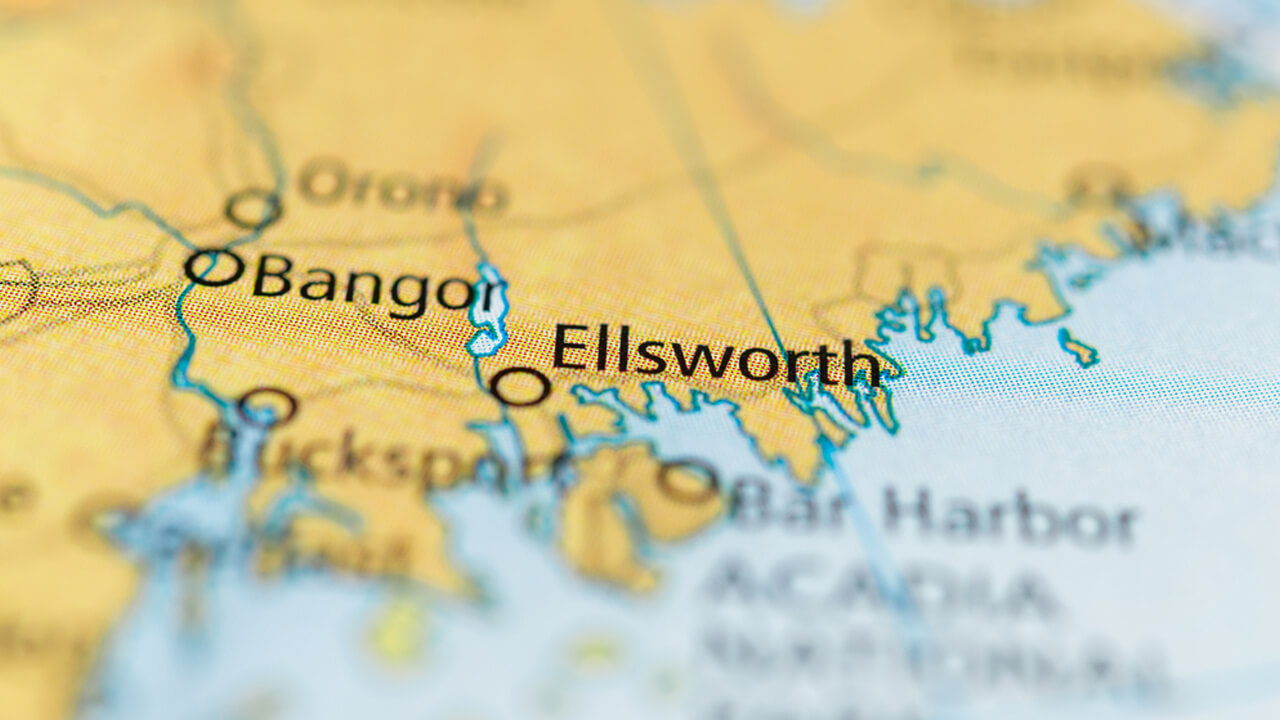
A new outpatient clinic is set to open in Ellsworth, Maine, and for people dependent on opioids in Hancock County, it could represent the first local access to a critical form of medication-assisted treatment.
For anyone navigating opioid withdrawal in this region, understanding what’s changing and what safe detox actually requires has never been more relevant.
Everest Recovery, which operates four opioid treatment centers across Maine and Massachusetts, is planning to open a site at 190 Bangor Road in Ellsworth.
The company received a business permit for the location in February. A planning board public hearing was scheduled for March 31 to review the proposed 5,500 square foot outpatient facility.
Why Medical Detox Matters for Opioid Patients
Opioid withdrawal is rarely life-threatening on its own, but it is intensely uncomfortable and, without proper support, one of the most common reasons people relapse.
Medically supervised detox programs and medication-assisted treatment dramatically improve the odds of both surviving withdrawal and sustaining long-term recovery.
Hancock County currently has no methadone provider along the coast between Bangor and Calais. That gap has left residents in a rural stretch of Maine with no access to one of the two most effective FDA-approved medications for opioid use disorder.
Understanding Methadone as a Detox and Treatment Medication
Methadone is a long-acting opioid agonist used in two ways: to manage acute opioid withdrawal and as a long-term maintenance therapy to reduce cravings and prevent relapse.
Methadone fully activates the brain’s opioid receptors, while buprenorphine only partially activates them, which is why methadone can be more effective for patients with severe dependence and intense cravings, but also why it requires stricter oversight.
Methadone can only be dispensed through a federally certified opioid treatment program. This is a key clinical distinction.
You cannot obtain methadone for addiction treatment from a primary care doctor or urgent care. It must come from a licensed clinic, administered under direct supervision, at least initially.
Federal regulations require patients to take daily in-person doses, a rule that has remained largely unchanged since the 1970s.
Critics argue these restrictions create barriers for patients, particularly in rural areas where some patients drive hours to access their medications.
Methadone vs Buprenorphine in Opioid Treatment
Both methadone and buprenorphine are gold-standard, evidence-based medications for opioid use disorder. Neither should be confused with unproven “rapid detox” procedures or herbal cleanse products, which carry serious safety risks and lack clinical evidence.
Buprenorphine can be prescribed by any licensed healthcare provider with standard DEA registration, like a primary care physician, and can be prescribed weekly.
In Ellsworth, several programs already offer buprenorphine-based medication-assisted treatment, including Groups Recover Together and Aroostook Mental Health Center’s DownEast Treatment Center.
What the Everest Recovery clinic would add is methadone access, something unavailable in the county today.
The proposed center could offer methadone, buprenorphine, and counseling services to people struggling with substance use disorder.
Access Barriers and What They Mean for Rural Detox Care
The daily clinic visit requirement for methadone is a structural challenge that weighs especially hard on rural patients.
Some people can’t afford to miss work every morning to receive their on-site dose; others are wary of the social stigma associated with methadone use.
These are real barriers that keep people from entering or staying in treatment, and they are among the strongest arguments for expanding the number of clinic locations.
There are currently 15 methadone clinics in Maine, three of which are owned by Everest Recovery.
Adding an Ellsworth location would extend that network into a coastal region where opioid-dependent residents have had no local option for this level of care.
Finding Medical Detox Programs in Maine
If you or someone you love is dependent on opioids, alcohol, or benzodiazepines, the first step is speaking with a medical professional, not attempting withdrawal alone.
Never attempt alcohol or benzodiazepine detox without medical supervision. Both carry risk of life-threatening complications including seizures.
You can explore detox.com’s directory to find detox and medication-assisted treatment facilities near you. You can also call 800-996-6135 to speak with a treatment specialist today.