800-671-4304
Waterville, Maine Fire Department Offers Buprenorphine in the Field
Published: 06/25/2026
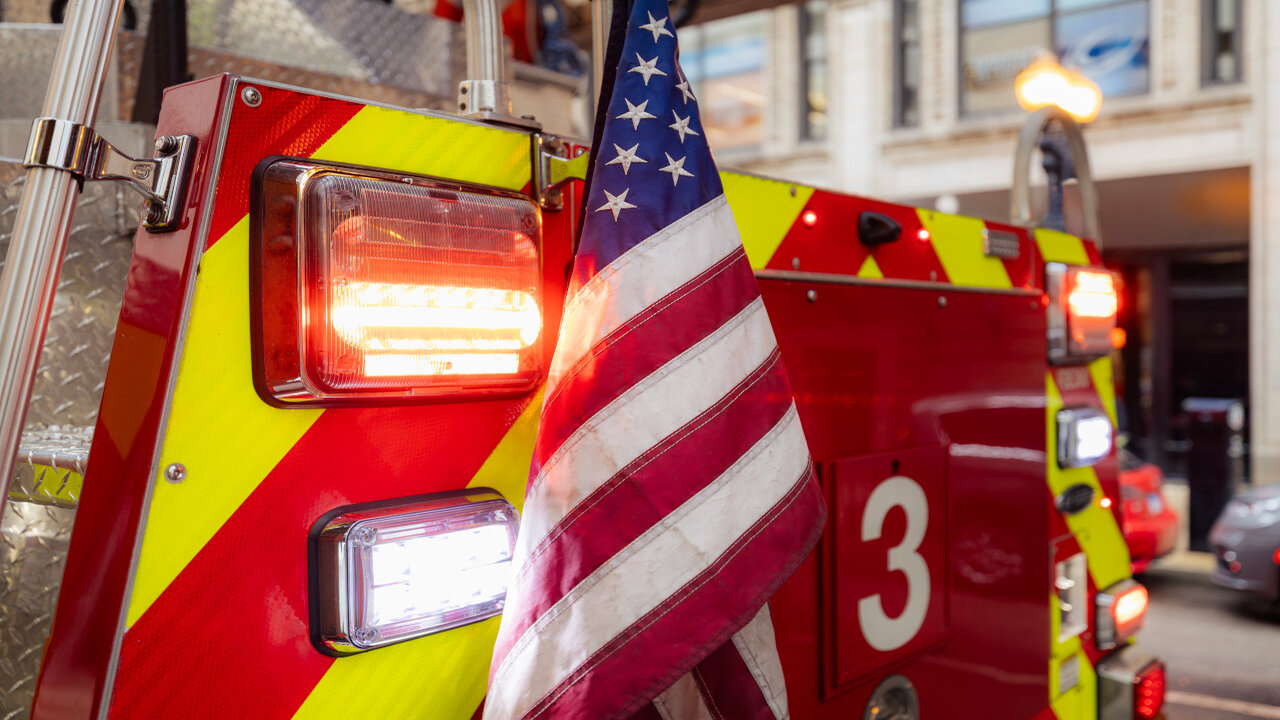
For someone in the grip of opioid withdrawal, the hours after an overdose reversal can be the most dangerous of all.
The Waterville Fire Department in Maine is taking a new approach: letting its paramedics begin medication-assisted treatment on scene, creating a bridge to medical detox and ongoing care instead of leaving patients to face withdrawal alone.
The Waterville City Council approved a pilot program allowing Fire Department advanced life support paramedics to administer buprenorphine directly in the field to people experiencing opioid withdrawal or recovering from an overdose, The Maine Monitor reported.
Why This Matters for Safe Withdrawal
Naloxone, sold as Narcan, reverses an opioid overdose by blocking opioids in the brain. The problem is what comes next: patients often wake into immediate, intense withdrawal, including nausea, agitation and powerful cravings.
Some refuse a hospital trip, leaving them at high risk of another overdose within hours. Giving buprenorphine on scene is meant to ease those symptoms right away. Waterville fire officials described it as a practical bridge to ongoing care.
Understanding Buprenorphine
Buprenorphine is a partial opioid agonist, meaning it activates opioid receptors just enough to relieve withdrawal and cravings without producing the high caused by heroin or fentanyl.
It is also the active ingredient in Suboxone, a widely used treatment for opioid use disorder. Officials cited research showing that medications for opioid use disorder, including buprenorphine and methadone, significantly reduce overdose-related deaths.
Under the program, eligible patients in withdrawal, including those whose symptoms begin after naloxone, can receive buprenorphine after evaluation under established medical protocols and with informed consent.
Officials pointed to a Minnesota EMS program that has given buprenorphine more than 120 times without major complications or documented precipitated withdrawal, a reaction in which a medication triggers sudden, severe withdrawal.
From Field Dose to Ongoing Detox and Care
Field buprenorphine is a starting point, not the full course of care. The Waterville program connects patients to the city’s Community Impact Team, which includes a community police officer, social worker, OPTIONS liaison, community paramedic and a peer support specialist.
Follow-up contact is attempted within 24 hours, with an in-person meeting targeted within 48 hours, and referrals go to providers including Better Life Partners and MaineGeneral Health.
The pilot runs under Maine EMS guidelines emphasizing harm reduction, low-barrier access, patient-centered care and reduced stigma.
Since the start of 2025, the Waterville Fire Department has responded to 62 opioid-related incidents, including 33 overdoses in which patients were comatose.
A fire official noted that nearby Westbrook recently received state approval to provide Suboxone and is expected to launch its own program July 1.
Finding Medical Detox
Field treatment supports people in crisis, but structured medical detox remains the safest setting for managing opioid withdrawal and the transition into ongoing treatment.
Never attempt alcohol or benzodiazepine detox without medical supervision, as withdrawal from those substances can be life-threatening.
For opioids, medically supervised detox paired with MAT improves safety and engagement in care. Looking for medically supervised detox programs in Maine? Call 800-996-6135 to find medical detox centers near you.