207-370-7009
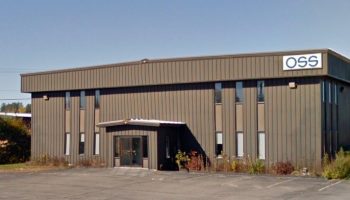
Bangor Comprehensive Treatment Center
Bangor, ME
04401
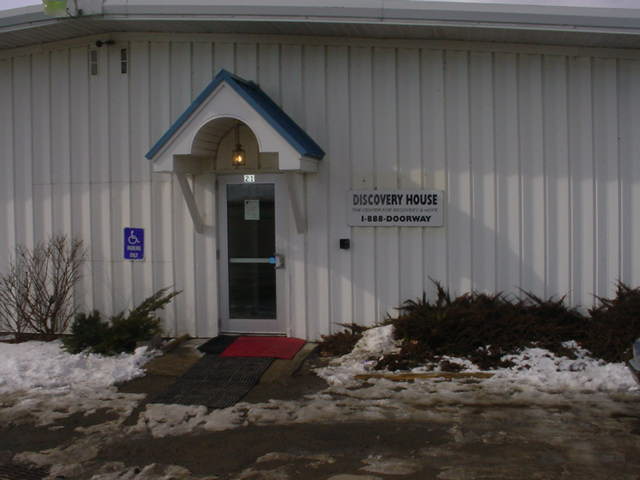
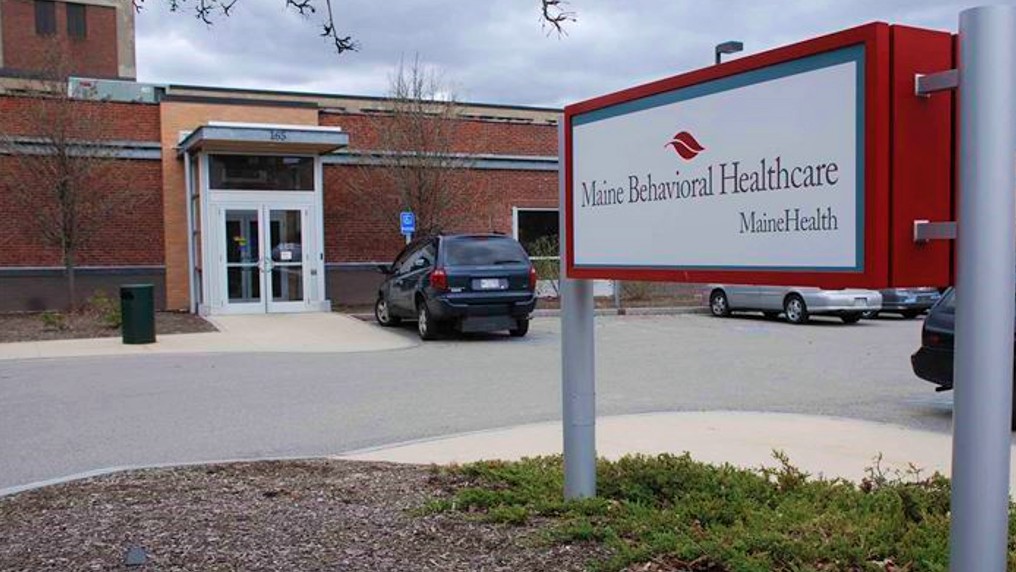
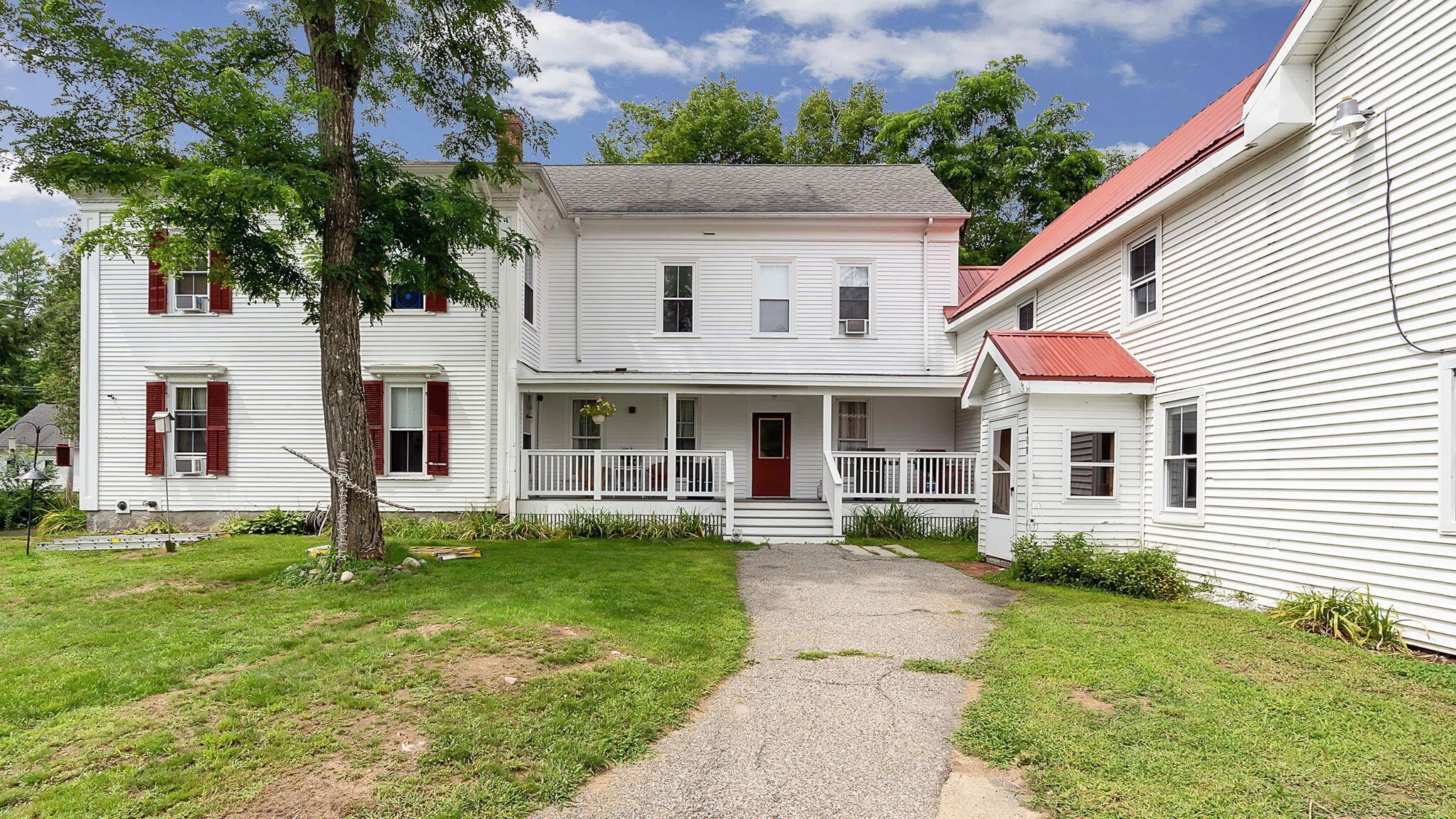

| Name | Address | Detox Service Setting | Levels Of Care | Media |
|---|---|---|---|---|
Bangor Comprehensive Treatment Center |
689 Odlin Rd Bangor, ME 04401 |
Detox Service Setting
Inpatient DetoxOutpatient Detox
|
Levels Of Care
InpatientOutpatient
|
|
Grace Street Services |
14 Winter St Sanford, ME 04073 |
Detox Service Setting
Inpatient DetoxOutpatient Detox
|
Levels Of Care
InpatientOutpatient
|

|
MaineGeneral Residential Services |
7 Spruce Street Augusta, ME 04330 |
Detox Service Setting
Inpatient Detox
|
Levels Of Care
InpatientSober Living
|

|
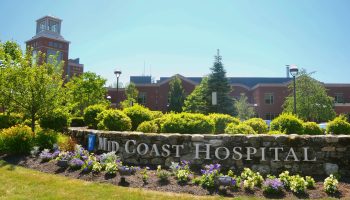
MaineHealth Behavioral Health – Brunswick |
66 Baribeau Drive Brunswick, ME 04011 |
Detox Service Setting
Outpatient DetoxMAT
|
Levels Of Care
InpatientOutpatient
|
|
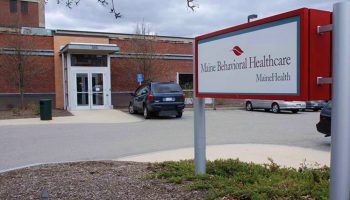
MaineHealth Behavioral Health — Lancaster St – Portland |
165 Lancaster Street Portland, ME 04101 |
Detox Service Setting
Outpatient Detox
|
Levels Of Care
OutpatientDual Diagnosis
|
|
Milestone Recovery |
65 India Street Portland, ME 04101 |
Detox Service Setting
Inpatient DetoxOutpatient Detox
|
Levels Of Care
InpatientOutpatient
|

|
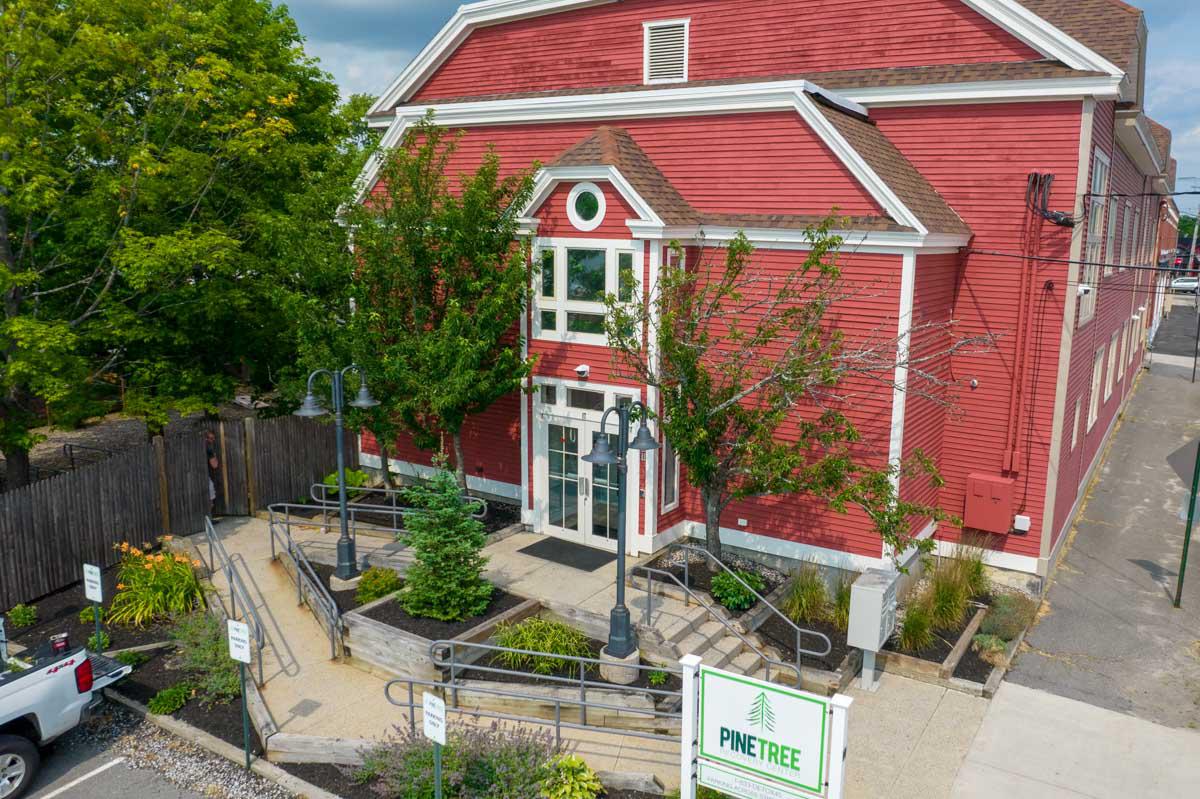
Pine Tree Recovery Center |
17 Bishop Street Portland, ME 04103 |
Detox Service Setting
Inpatient DetoxOutpatient DetoxMAT
|
Levels Of Care
InpatientOutpatientPHP+2
|

|
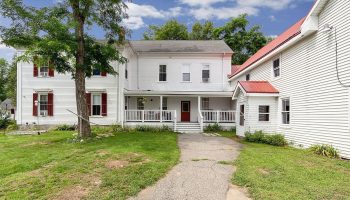
Providence Retreat |
408 Bar Mills Road Hollis Center, ME 04042 |
Detox Service Setting
Inpatient Detox
|
Levels Of Care
InpatientAftercareDual Diagnosis
|
|
Waterville Comprehensive Treatment Center |
40 Airport Road Waterville, ME 04901 |
Detox Service Setting
Inpatient DetoxOutpatient DetoxMAT
|
Levels Of Care
InpatientOutpatient
|
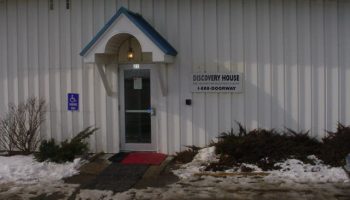
|
Carpe Diem Behavioral Associates Inc Lewiston ME |
87 Essex Street Lewiston, ME 04240 |
Detox Service Setting
Outpatient Detox
|
Levels Of Care
|
|
Discovery House of South Portland Comprehensive Treatment Centers |
400 Western Avenue South Portland, ME 04106 |
Detox Service Setting
Inpatient DetoxOutpatient Detox
|
Levels Of Care
InpatientOutpatient
|
|
Grace House For Women |
251 Pleasant Ave Portland, ME 04103 |
Detox Service Setting
Inpatient DetoxOutpatient Detox
|
Levels Of Care
InpatientOutpatient
|
|
Groups Recover Together Bangor |
849 Stillwater Ave Bangor, ME 04401 |
Detox Service Setting
Inpatient DetoxOutpatient Detox
|
Levels Of Care
InpatientOutpatient
|
|
Northern Light Mercy Hospital Fore River Parkway |
175 Fore River Pkwy Portland, ME 04102 |
Detox Service Setting
Inpatient DetoxOutpatient Detox
|
Levels Of Care
InpatientOutpatient
|
|
Providence Place Sober Living |
19 Bramhall St Portland, ME 04102 |
Detox Service Setting
Inpatient DetoxOutpatient Detox
|
Levels Of Care
InpatientOutpatient
|
|
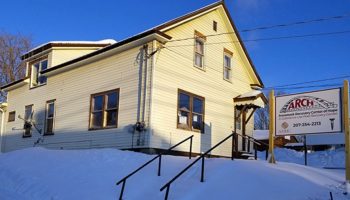
AMHC |
487 West Gate Road Presque Isle, ME 04750 |
Detox Service Setting
Inpatient Detox
|
Levels Of Care
InpatientAftercareDual Diagnosis
|
|
Aroostook Mental Health Services, Inc. (AMHC) |
11 Mill Street Houlton, ME 04730 |
Detox Service Setting
Outpatient Detox
|
Levels Of Care
Outpatient
|

|
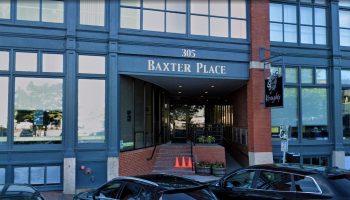
Behavioral Health Resources of Maine |
305 Commercial Street Portland, ME 04101 |
Detox Service Setting
Outpatient Detox
|
Levels Of Care
OutpatientDual Diagnosis
|
|
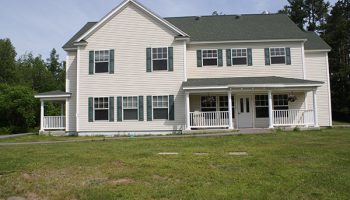
Day One Goodwill Hinckley |
14 Wandrup Road Hinckley, ME 04937 |
Detox Service Setting
Inpatient Detox
|
Levels Of Care
|
|
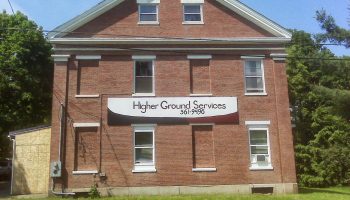
Higher Ground Services |
235 Center Street Brewer, ME 04412 |
Detox Service Setting
Outpatient Detox
|
Levels Of Care
OutpatientAftercare
|
|
Maine’s detoxification and substance use treatment landscape is heavily shaped by its vast rural geography and recent state-led expansions in harm reduction.
The system is overseen by the Department of Health and Human Services (DHHS) Division of Licensing and Certification, while the Office of Behavioral Health (OBH) directs funding and strategic initiatives.
Historically, Maine has faced severe treatment bottlenecks, but the state is actively shifting toward low-barrier care and Medication-Assisted Treatment (MAT).
Recent initiatives have transformed Maine’s approach to the opioid crisis. The state is heavily investing opioid settlement funds into expanding low-barrier shelters, supporting the OPTIONS (Overdose Prevention Through Intensive Outreach, Naloxone and Safety) program and directly funding local recovery coalitions.
Notably, settlement funds have recently empowered the Houlton Band of Maliseet Indians to purchase properties for residential treatment, highlighting a push for culturally centered, community-driven care.
Navigating detox in Maine requires understanding the state’s logistical hurdles. Because specialized medical detox beds are heavily concentrated in regional hubs like Portland, Lewiston and Bangor, rural Mainers often face significant transportation barriers.
To combat this, Maine has pioneered telehealth expansions and “rapid induction” programs in emergency departments, allowing patients in rural hospitals to start buprenorphine immediately before transferring to an outpatient provider.
For residents seeking state-funded residential detox, bed availability fluctuates rapidly, making local harm reduction and mobile outreach programs a vital first step for triage, support and immediate stabilization.
Understanding the cost of drug detox in Maine can help alleviate concerns you may have about paying for treatment. Cost varies and is based on many factors, but there are financial solutions and state-funded programs that allow you to receive quality care.
The cost of detox in Maine varies based on the level of care you need, the severity of your withdrawal symptoms and whether your services are provided in a hospital, residential facility or an outpatient setting. Medical complexity, length of stay and medication needs can also affect your total cost.
Because rural access often requires traveling to larger cities, transportation and lodging can also be something to consider. Many people reduce out-of-pocket expenses by using insurance or publicly funded programs like MaineCare.
Outpatient MAT programs combine prescribed medications with counseling and support, allowing you to manage recovery while maintaining daily responsibilities. Outpatient MAT costs are heavily influenced by the specific prescribed medication.
Private insurance companies must comply with the Affordable Care Act, meaning that mental health and substance abuse treatment coverage must be on the same level as other health benefits.
However, states and individual insurance companies determine precisely what is covered, and the Maine Bureau of Insurance oversees compliance within the state. You can check coverage and network status through CoverME.gov.
The most common commercial insurance companies in Maine include:



Medicare covers inpatient and outpatient Maine alcohol detox and drug detox. They also cover OTP services like methadone, buprenorphine and naltrexone under Part B. Copays and deductibles depend on the treatment setting, services received and your specific plan.
Medicaid MaineCare (Maine’s Medicaid program) covers medically managed detox, residential SUD treatment and outpatient MAT. With recent expansions, MaineCare has removed many prior authorization barriers for MAT induction, ensuring faster, low-barrier access to life-saving withdrawal medications.
Do not let cost be a reason for not receiving Maine alcohol rehab or drug detox. There are several ways to pay for addiction treatment without private health insurance:

Many Federally Qualified Health Centers (FQHCs) in Maine, such as Penobscot Community Health Care (PCHC), utilize a sliding fee scale based on federal poverty guidelines for uninsured residents.
Maine has secular and faith-based nonprofit care that provides treatment for vulnerable populations, including Milestone Recovery in Portland, which operates a specialized detox program.
The Maine Office of Behavioral Health (OBH) manages uninsured funding streams and the OPTIONS program to help connect uninsured Mainers to state-funded treatment beds and recovery services.
Given Maine’s large veteran population, specialized federal funding and detox care are available through the Togus VA Medical Center located in Augusta.
The key regulatory and accreditation bodies that oversee detox and withdrawal management services in Maine include:
The primary state licensing authority for behavioral health and substance use disorder treatment facilities in Maine. This division conducts inspections, issues licenses and ensures that residential and outpatient detox programs comply with state safety and clinical regulations.
As the designated State Substance Abuse Agency, OBH does not directly license facilities but manages the funding, strategic initiatives and state block grants that sustain detox and recovery programs. They also oversee the state’s harm reduction and MAT expansion efforts.
This board falls under the Office of Professional and Occupational Regulation. It licenses and regulates the individual addiction counselors and clinical staff working within Maine’s detox facilities, ensuring they meet continuing education and ethical standards.
Medication-assisted treatment (MAT) in Maine is regulated at the federal level by SAMHSA and the DEA, while the state DHHS and OBH oversee local licensing and funding. Maine has aggressively updated its rules to lower barriers to MAT, particularly through emergency department inductions and telehealth.
Widely accessible throughout Maine via primary care clinics and telehealth. Maine has actively worked to remove prior authorization barriers in MaineCare, allowing patients in rural areas to initiate withdrawal management quickly without facing administrative delays.
Highly restricted to certified Opioid Treatment Programs (OTPs). Because OTPs are mostly located in larger hubs like Bangor, Portland and Lewiston, the strict daily dosing requirements pose a massive logistical and transportation barrier for patients living in rural Maine.
Unrestricted and non-addictive, Naltrexone requires no special DEA waiver to prescribe. The injectable form (Vivitrol) is fully covered by MaineCare and is heavily utilized in Maine’s judicial diversion and re-entry programs.
Maine has heavily prioritized harm reduction to combat its overdose crisis, largely through the Maine Naloxone Distribution Initiative and the state-sponsored OPTIONS program. Under this program, public health agencies, mobile outreach units, and peer-run organizations provide sterile syringes, drug checking tools and free naloxone to vulnerable populations.
These services are particularly crucial in rural Maine, acting as a lifeline for individuals who are isolated from traditional medical detox centers.
MAP provides critical mobile outreach and peer support to people who use drugs across rural Maine.
They prioritize low-barrier access by offering confidential statewide mail delivery of naloxone and safer-use supplies to individuals who cannot reach physical clinics.
Operating at the India Street clinic and through mobile outreach vans in the Bayside area, The Exchange is a Tier 1 distributor that meets the needs of Portland’s unhoused populations, providing vital infection prevention and rapid linkages to care.
Backed by MaineGeneral Health, this program operates in Augusta and Waterville. They provide anonymous, free services, integrating critical harm reduction supplies directly within a broader healthcare system to reduce stigma and encourage eventual treatment.
Despite ongoing challenges with fentanyl, Maine has seen encouraging progress, reporting its third consecutive year of declining fatal overdoses. However, public safety and EMS teams continue to respond to thousands of crises annually, underscoring the need for accessible detox.
Maine reported 390 fatal drug overdoses in 2025, representing a 20% drop from the previous year and the first time deaths fell below 400 since 2019.
In the first eight months of 2025 alone, Maine Emergency Medical Services (EMS) responded to 6,277 suspected overdose incidents statewide. Maine Monthly Overdose Report August 2025
Between January and August 2025, Maine recorded 4,854 nonfatal overdoses, a 14.6% decrease compared to the same period in 2024.
The OPTIONS (Overdose Prevention Through Intensive Outreach, Naloxone and Safety) program embeds licensed behavioral health clinicians within law enforcement agencies in every Maine county. They conduct post-overdose outreach, distribute naloxone and provide direct referrals to local detox and MAT programs.
Yes, MaineCare covers both medically managed and clinically managed residential withdrawal services. Recent state expansions have also removed many prior authorization barriers for initial MAT induction, ensuring faster access to life-saving care without administrative delays.
Yes, many hospitals across Maine have implemented “rapid induction” programs in their emergency departments. This allows individuals in acute withdrawal to receive an initial dose of buprenorphine immediately, followed by a direct referral to a community provider for ongoing MAT.
Yes, using opioid settlement funds, groups like the Houlton Band of Maliseet Indians and Wabanaki Public Health have expanded culturally centered residential treatment and recovery services. These programs offer traditional healing practices alongside modern MAT and detox protocols.
Yes. Through the Maine Naloxone Distribution Initiative, Narcan is available at no cost. Organizations like Maine Access Points even offer confidential, statewide mail delivery of naloxone and fentanyl test strips specifically to assist residents in isolated rural areas.