503-567-5010
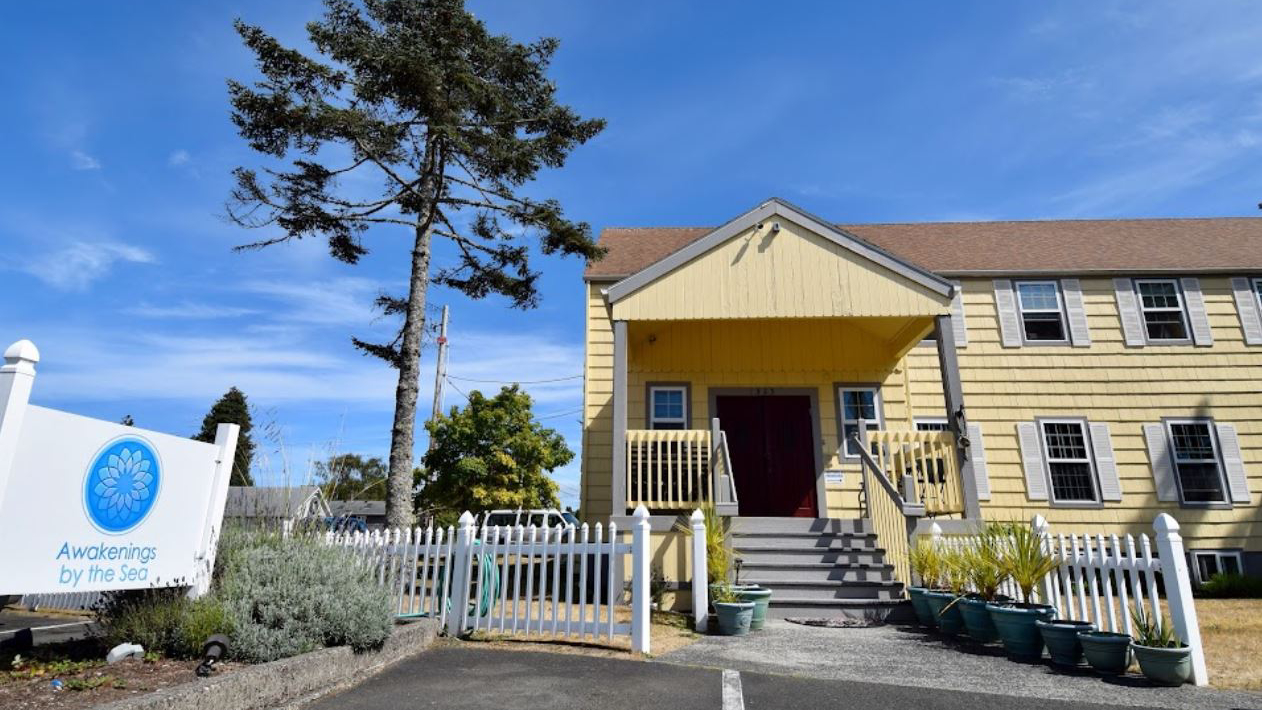
Awakening by the Sea
Seaside, OR
97138







| Name | Address | Detox Service Setting | Levels Of Care | Media |
|---|---|---|---|---|
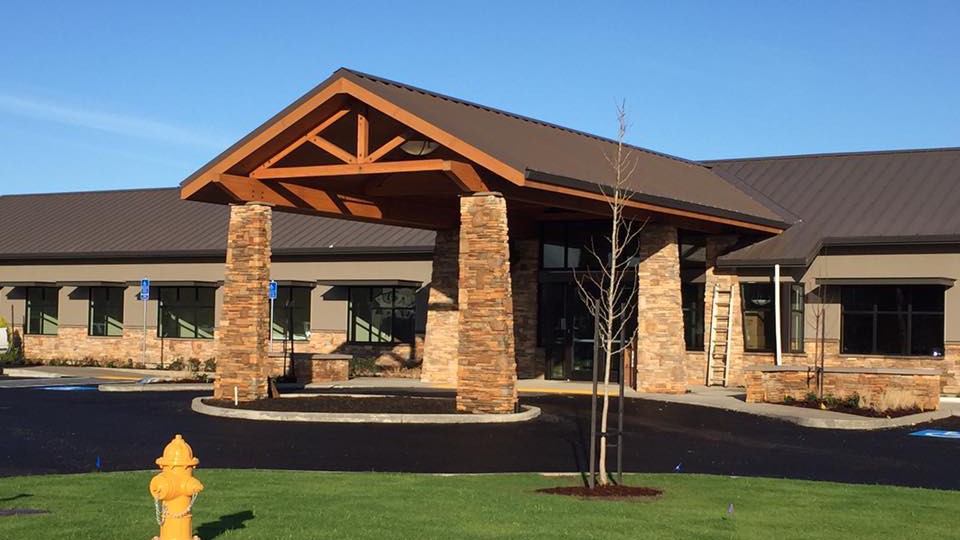
Buckley Detoxification Center |
605 West 4th Avenue Eugene, OR 97402 |
Detox Service Setting
Inpatient Detox
|
Levels Of Care
InpatientAftercareSober Living+1
|
|
Emergence Downtown Focus Program Eugene |
1040 Oak Street Eugene, OR 97401 |
Detox Service Setting
Outpatient Detox
|
Levels Of Care
Outpatient
|
|
Equinox Clinics |
160 E 18th Ave Eugene, OR 97401 |
Detox Service Setting
Inpatient DetoxOutpatient Detox
|
Levels Of Care
InpatientOutpatient
|
|
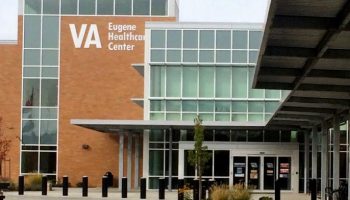
VA Healthcare Center Eugene Oregon |
3355 Chad Dr Eugene, OR 97408 |
Detox Service Setting
Inpatient DetoxOutpatient Detox
|
Levels Of Care
InpatientOutpatient
|
|
Integrated Health Clinics |
715 Lincoln Street Eugene, OR 97401 |
Detox Service Setting
Outpatient DetoxMAT
|
Levels Of Care
InpatientOutpatientAftercare
|
|
Teen Challenge – Eugene Women’s Campus |
85989 Bailey Hill Road Eugene, OR 97405 |
Detox Service Setting
Hospital DetoxInpatient DetoxMAT
|
Levels Of Care
InpatientDual DiagnosisAftercare+1
|
|
Willamette Family |
605 West 4th Avenue Eugene, OR 97402 |
Detox Service Setting
Inpatient DetoxOutpatient Detox
|
Levels Of Care
InpatientOutpatientSober Living+1
|
|
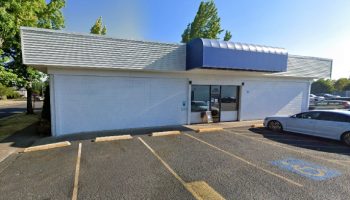
Springfield Treatment Center |
1485 Market St Springfield, OR 97477 |
Detox Service Setting
Inpatient DetoxOutpatient Detox
|
Levels Of Care
InpatientOutpatient
|
|
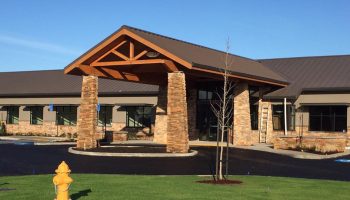
Serenity Lane Residential Treatment |
91150 Coburg Industrial Way Coburg, OR 97408 |
Detox Service Setting
Inpatient DetoxOutpatient Detox
|
Levels Of Care
InpatientOutpatientAftercare+2
|
|
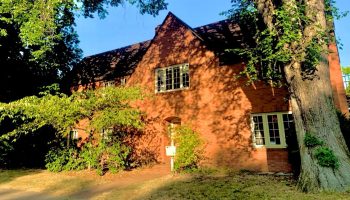
Milestones Womens Residential Program |
306 Southwest 8th Street Corvallis, OR 97333 |
Detox Service Setting
Inpatient DetoxOutpatient Detox
|
Levels Of Care
InpatientOutpatientDual Diagnosis+1
|
|
Milestones Family Recovery |
442 Northwest 4th Street Corvallis, OR 97330 |
Detox Service Setting
Inpatient DetoxOutpatient Detox
|
Levels Of Care
InpatientOutpatientDual Diagnosis
|

|
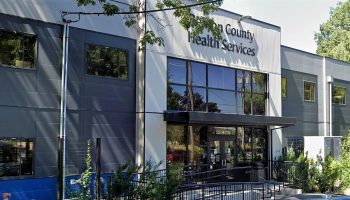
Benton Health Center |
530 Northwest 27th Street Corvallis, OR 97330 |
Detox Service Setting
Outpatient Detox
|
Levels Of Care
OutpatientAftercareDual Diagnosis
|
|
Pacific Ridge: Residential Alcohol and Drug Treatment Center |
1587 Pacific Ridge Lane Southeast Jefferson, OR 97352 |
Detox Service Setting
Inpatient Detox
|
Levels Of Care
InpatientAftercareDual Diagnosis
|

|
Roseburg VA Medical Center |
913 Northwest Garden Valley Boulevard Roseburg, OR 97471 |
Detox Service Setting
Inpatient DetoxOutpatient Detox
|
Levels Of Care
InpatientOutpatientAftercare+1
|

|
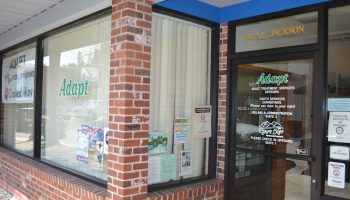
Adapt Integrated Health Care |
548 Southeast Jackson Street Roseburg, OR 97470 |
Detox Service Setting
Outpatient DetoxInpatient DetoxMAT
|
Levels Of Care
OutpatientDual DiagnosisInpatient
|
|
The geography of Eugene, Oregon, has shaped the local overdose crisis. The city is located along the Interstate 5 corridor, which state and federal law enforcement agencies have designated a High Intensity Drug Trafficking Area (HIDTA).
Fentanyl moves through the region with relative ease. Lane County has experienced one of the steepest increases in overdose deaths of any county in Oregon outside the Portland metro area as a result.
Oregon passed House Bill 4002 in 2024, which recriminalized small-amount drug possession and authorized counties to launch deflection programs that redirect people toward treatment rather than the criminal justice system.
This allowed Lane County to launch one of the most expansive deflection programs in the state in October 2024. The program pairs peer navigators with emergency housing to help participants access detox.
In both Eugene and Springfield, Lane County Public Health provides monitoring and coordinates harm-reduction programs.
As for treatment options, Willamette Family opened the new Buckley House in July 2025, adding 55 beds for detox and residential services and meaningfully expanding Eugene’s limited inpatient capacity.
The Oregon Health Authority (OHA) Addictions Services Division licenses all withdrawal management programs in Eugene under Oregon Administrative Rules Chapter 415. All detox licenses are required to have ASAM level-of-care designations since April 2024.
Detox costs in Eugene track closely with statewide Oregon averages. Oregon ranks among the higher-cost states for residential treatment nationally but the Oregon Health Plan (OHP) and a network of nonprofit providers offset a substantial portion of that cost for many residents.
Costs in Eugene vary by level of medical supervision, the substances involved and the setting.
For example, fentanyl and polysubstance dependence often require more intensive monitoring, which pushes costs higher than standard alcohol detox in an outpatient setting.
Insurance, Oregon Health Plan eligibility and sliding-scale programs can dramatically reduce what you pay out of pocket.
Yes. Private insurance plans must cover mental health and substance use disorder treatment at the same level as other medical benefits to comply with the Affordable Care Act. Oregon’s Insurance Division oversees compliance for plans issued in the state.
The Oregon Health Insurance Marketplace at HealthCare.gov is the primary enrollment portal for individual and family plans.
The most common commercial insurers covering patients in Eugene and Lane County include:
Medicare covers inpatient and outpatient detox for Eugene residents. Part B covers Opioid Treatment Program (OTP) services including methadone, buprenorphine and naltrexone.
Copays, deductibles and coverage limits depend on the specific plan and treatment setting, so verify with your provider before starting any treatment program.
Oregon Health Plan (OHP) is Oregon’s Medicaid program. It covers detox, inpatient treatment, outpatient services and MAT, typically with zero copays. In Lane County, OHP is administered through Coordinated Care Organizations (CCOs).
As of 2025, Trillium Community Health Plan is the primary CCO serving Lane County following PacificSource’s decision to exit the market.
Be sure to confirm which CCO manages your coverage and verify facility network status before admission.
Do not let cost prevent you from accessing detox in Eugene. Several local options exist for people without private insurance:

Buckley Center and Buckley House offer sliding-scale fees tied to income and accept the Oregon Health Plan. White Bird Clinic’s Chrysalis Behavioral Health at 350 E. 11th Ave. also accepts OHP and offers sliding-scale and state-funded options for qualifying patients.
Willamette Family has operated as a nonprofit in Eugene for more than 50 years. White Bird Clinic is a community-based nonprofit that provides behavioral health and harm reduction services. Federal and state funding support many of its programs.
The Oregon Health Authority funds Behavioral Health Resource Networks (BHRNs) in every county, providing treatment access regardless of a person’s ability to pay. Lane County’s BHRN includes referral pathways to detox and residential care. The Lane County Treatment Center on W. 7th Ave. provides methadone and buprenorphine services funded through OHP.
Veterans in Eugene may access substance use disorder treatment through the VA Portland Health Care System, which serves Lane County residents. VA coverage includes medically supervised detox, inpatient care and MAT at no cost to qualifying veterans.
Many key regulatory and accrediting bodies oversee detox and withdrawal management services in Eugene and Lane County including:
The OHA licenses all withdrawal management programs in Oregon under OAR Chapter 415. All licensed detox programs must hold a valid ASAM level-of-care designation on their license, either Adult Clinically Managed Residential (3.2-WM) or Adult Medically Monitored Inpatient (3.7-WM).
The OHA also monitors compliance with staffing, clinical and safety standards for all licensed providers.
SAMHSA certifies all Opioid Treatment Programs (OTPs) operating in Eugene under 42 CFR Part 8. Any clinic that dispenses methadone for opioid use disorder must hold a valid SAMHSA OTP certification in addition to its OHA state license.
Certification requires compliance with staffing credentials, diversion controls, patient recordkeeping and facility standards. Annual renewal is required.
LCPH does not license treatment facilities directly but its Overdose Prevention Coordinator and public health staff track overdose trends in Eugene and Springfield, inform resource allocation, and coordinate the county’s harm-reduction response.
LCPH epidemiological data drives both OHA funding decisions and the operational priorities of local treatment providers.
The ADPC is the state-level policy body that develops Oregon’s comprehensive substance use treatment plan and reports to the legislature on medications for opioid use disorder access and outcomes.
Its 2024 report examined coverage rates and denial patterns under OHP, directly influencing provider contracts in Lane County.
Medication-assisted treatment in Eugene is governed at both the federal and state levels, with OHA licensing aligning with SAMHSA rules for opioid-specific medications. Oregon removed prior authorization requirements for MOUD under the Oregon Health Plan, improving access for patients at licensed clinics.
Buprenorphine is available at low-barrier clinics and via telehealth in Lane County. The Lane County Treatment Center and White Bird Chrysalis Behavioral Health both prescribe buprenorphine, and Oregon’s expanded telehealth rules allow initiation without an in-person visit in many circumstances. Buprenorphine does not require an OTP clinic for office-based prescribing.
This medication is restricted to certified OTPs. The Lane County Treatment Center on W. 7th Ave. currently serves more than 400 patients with daily methadone dosing, counseling and case management. OHP covers methadone at certified OTPs with no copay for eligible members.
Non-controlled and unrestricted, naltrexone is available through primary care providers, outpatient clinics and the Lane County deflection program. The injectable form (Vivitrol) is used for both opioid use disorder and alcohol use disorder and is covered by OHP. Its non-addictive profile makes it a common choice in deflection and legal diversion contexts.
Eugene has a long-standing harm-reduction infrastructure built around peer-centered outreach, free naloxone distribution and syringe services.
Lane County has seen fentanyl play a dominant role in overdose deaths since 2019, and the local response has expanded considerably in recent years.
Local organizations have prioritized getting naloxone into communities where overdoses are most likely to occur including among unhoused people and Eugene Police and CAHOOTS both carry and administer the medication.
HIV Alliance operates syringe exchange events across multiple Eugene and Springfield locations throughout the week including at its Eugene office at 1195 City View St., ShelterCare, and White Bird Clinic.
The organization also provides certified naloxone training to individuals, families and first responders and distributes free overdose prevention kits to syringe-exchange clients.
White Bird opened a dedicated Harm Reduction and Treatment Center in June 2024, expanding its longstanding CAHOOTS crisis response program with a physical space for low-barrier care and overdose prevention services.
CAHOOTS, dispatched through the Eugene non-emergency line, responds to substance-related crises around the clock alongside EMS and Eugene Police.
Lane County Public Health employs a dedicated Overdose Prevention Coordinator who tracks real-time overdose data in Eugene and Springfield.
The department has noted record naloxone distribution volumes in Lane County in recent years, and works with schools, pharmacies and community organizations to broaden access to reversal medication across the region.
Save Lives Oregon is the Oregon Health Authority’s statewide harm reduction clearinghouse, which now works with more than 380 partner agencies across Oregon.
Several Lane County organizations receive naloxone supplies and harm reduction training through Save Lives Oregon. This extends free access to communities in Eugene that may not be near a dedicated harm-reduction site.
Lane County has recorded some of the most severe overdose trends in Oregon outside the Portland metro area, driven primarily by fentanyl and polysubstance use.
Statewide efforts to expand naloxone access and treatment capacity appear to be producing results, although the numbers still far exceed pre-pandemic levels.
Lane County recorded 221 drug overdose deaths in 2023, the second-highest total of any county in Oregon.
Lane County overdose deaths tripled from 71 in 2018 to 221 in 2023. This was one of the steepest county-level increases in the state over that period.
More than 90% of Oregon overdose deaths in 2024 involved fentanyl, methamphetamine or a combination of both. Eugene Police have described the city as a HIDTA (High Intensity Drug Trafficking Area) along the I-5 corridor.
Your first call should be to Willamette Family’s Rapid Access Center at 149 W. 12th Ave., which accepts walk-ins Monday through Friday.
They accept Oregon Health Plan and offer sliding-scale fees. If you do not yet have OHP coverage, staff can help you apply. The Buckley House at 640 W. Seventh Ave. is the newer, expanded detox facility within the Willamette Family network.
Launched in October 2024 under House Bill 4002, the deflection program lets law enforcement in Eugene, Springfield and other Lane County cities offer people with low-level drug possession charges the option to enter treatment rather than face prosecution.
Peer navigators can also connect participants to detox, housing and other services.
As of early 2026, over 300 people have entered the program.
The Buckley House at 640 W. Seventh Ave. is an expanded facility with 55 total beds for detox and residential services, up from 22 detox beds at the original location at 605 W. 4th Ave.
Both are operated by Willamette Family and accept OHP, Medicare, and private insurance. Call Willamette Family at 541-762-4575 to confirm current availability and intake procedures.
Yes. HIV Alliance distributes free naloxone kits and provides brief training at its Eugene office at 1195 City View St. during drop-in hours.
White Bird Clinic also distributes naloxone through its harm reduction center.
Oregon law requires pharmacists to provide naloxone without a prescription, and most insurance plans including OHP will cover it with no copay.
The right level of care depends on the substances you’ve used, your history of withdrawal and your access to a stable home environment.
Alcohol and benzodiazepine withdrawal can be life-threatening and almost always require medical supervision. Fentanyl withdrawal is also severe and frequently warrants inpatient monitoring, particularly given polysubstance use patterns in Lane County.
Willamette Family’s Rapid Access Center can help you complete a clinical screening to determine which level of care is appropriate.
As of 2025, Trillium Community Health Plan is the primary CCO managing OHP coverage in Lane County.
If you’re newly enrolling in OHP, select a CCO that contracts with your preferred treatment providers. Contact OHA’s Oregon Eligibility system or call 211 for enrollment assistance and to confirm which Eugene-area detox facilities are in-network with your plan.