503-567-5010








Portland’s detoxification landscape has been the focal point of intense public health efforts and rapid policy changes in recent years. Regulated primarily by the Oregon Health Authority (OHA) Health Systems Division and the Multnomah County Behavioral Health Division, the local treatment system strongly prioritizes harm reduction and Medication-Assisted Treatment (MAT) to combat a volatile illicit drug market.
Recent initiatives have significantly shifted how care is delivered in the city. In early 2024, a tri-government 90-day fentanyl state of emergency was declared by the city, county and state. This successfully drove down local fentanyl overdoses by nearly 40% in the following months.
Furthermore, the rollback of Measure 110 (which recriminalized drug possession in late 2024) has led to the creation of “deflection” programs. These programs allow law enforcement to divert individuals directly into crisis centers and detox programs rather than the justice system, fundamentally altering the intake pipeline for local facilities.
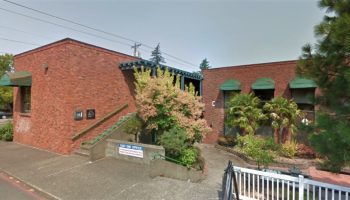
Navigating detox in Portland requires understanding the local public safety net. Central City Concern’s Hooper Detoxification Stabilization Center in inner Northeast Portland is a cornerstone for state-funded and indigent care, but beds are highly competitive and operate on a triage and first-come, first-served basis.
Transportation is facilitated by TriMet’s robust MAX Light Rail and bus network, ensuring access to major outpatient and MAT providers across the city. However, readers should be prepared to advocate strongly for themselves, utilize Coordinated Care Organizations (CCOs) and seek bridge clinics if waitlisted for residential care.