Find Drug & Alcohol Detox Centers in Olathe, KS

Detox Centers in Olathe

15 Results
Filters
Setting
Medications Offered
Treatment
Programs
Payment Options
Name Address Detox Service Setting Levels Of Care Media

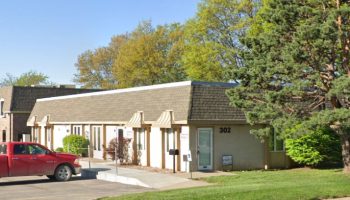
A Connecting Pointe, LLC

302 S Clairborne Rd Olathe, KS 66062
Detox Service Setting
Inpatient DetoxOutpatient Detox
Levels Of Care
InpatientOutpatient
A Connecting Pointe, LLC

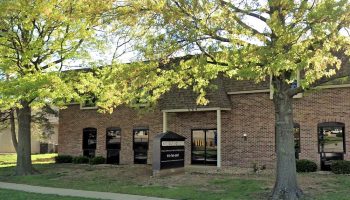
MGA Crisis Intervention

304 S Clairborne Rd Olathe, KS 66062
Detox Service Setting
Inpatient DetoxOutpatient Detox
Levels Of Care
InpatientOutpatient
MGA Crisis Intervention

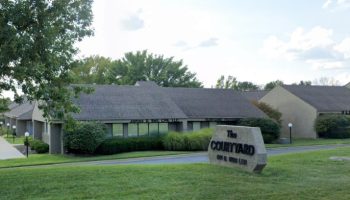
Nuvista LLC

601 N Mur-Len Rd Olathe, KS 66062
Detox Service Setting
Inpatient DetoxOutpatient Detox
Levels Of Care
InpatientOutpatient
Nuvista LLC

Cottonwood Springs

13351 S. Arapaho Drive Olathe, KS 66062
Detox Service Setting
Hospital DetoxInpatient DetoxOutpatient Detox+1
Levels Of Care
InpatientOutpatientDual Diagnosis+2

We Can Recover

1715 East Cedar Street Olathe, KS 66062
Detox Service Setting
Outpatient Detox
Levels Of Care
OutpatientIntensive OutpatientDual Diagnosis+1

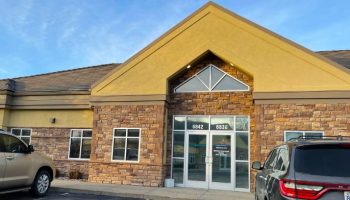
Coltrain Medical Group

6842 W 121st Overland Park, KS 66209
Detox Service Setting
Inpatient DetoxOutpatient Detox
Levels Of Care
InpatientOutpatient
Coltrain Medical Group

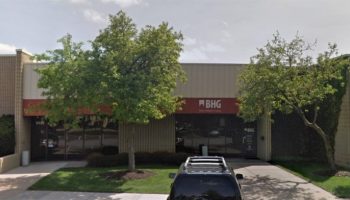
BHG Overland Park

6331 W 110th St Overland Park, KS 66211
Detox Service Setting
Inpatient DetoxOutpatient Detox
Levels Of Care
InpatientOutpatient
BHG Overland Park

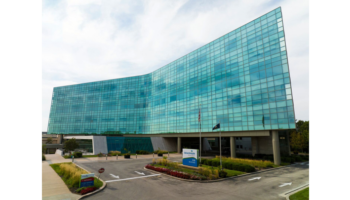
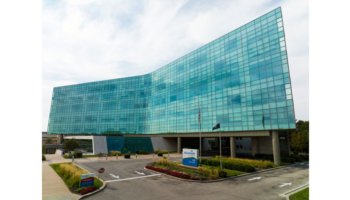
Shawnee Mission Medical Center Addiction Recovery Unit

9100 West 74th Street Merriam, KS 66204
Detox Service Setting
Hospital DetoxInpatient DetoxOutpatient Detox
Levels Of Care
InpatientIntensive OutpatientOutpatient+1
Shawnee Mission Medical Center Addiction Recovery Unit

Shawnee Mission Medical Center Addiction Recovery Unit

9100 West 74th Street Kansas, KS 66204
Detox Service Setting
Hospital DetoxInpatient DetoxOutpatient Detox
Levels Of Care
InpatientIntensive OutpatientOutpatient+2
Shawnee Mission Medical Center Addiction Recovery Unit

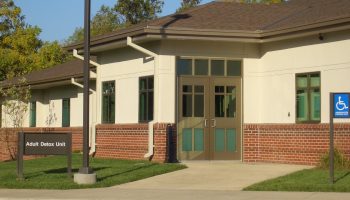
Johnson County Mental Health Center Adult Detoxification Unit

11120 West 65th Street Shawnee, KS 66203
Detox Service Setting
Inpatient Detox
Levels Of Care
InpatientAftercare
Johnson County Mental Health Center Adult Detoxification Unit

Research Psychiatric Center

2323 East 63rd Street Kansas City, MO 64130
Detox Service Setting
Inpatient DetoxOutpatient Detox
Levels Of Care
InpatientOutpatientAftercare+1
Research Psychiatric Center

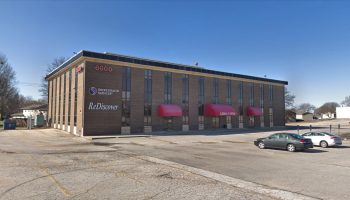
ReDiscover Treatment Options Program Loma Vista

8800 Blue Ridge Boulevard Kansas City, MO 64138
Detox Service Setting
Outpatient Detox
Levels Of Care
OutpatientAftercareDual Diagnosis
ReDiscover Treatment Options Program Loma Vista

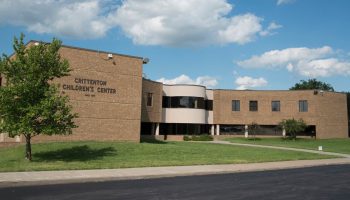
Saint Lukes Hospital of Kansas City Crittenton Childrens Center

10918 Elm Avenue Kansas City, MO 64134
Detox Service Setting
Inpatient DetoxOutpatient Detox
Levels Of Care
InpatientOutpatientDual Diagnosis
Saint Lukes Hospital of Kansas City Crittenton Childrens Center

BHG Kansas City Treatment Center

2534 Campbell Street Kansas City, MO 64108
Detox Service Setting
Outpatient Detox
Levels Of Care
OutpatientDual Diagnosis
BHG Kansas City Treatment Center

Welcome House

1414 E 27th St Kansas City, MO 64108
Detox Service Setting
Inpatient DetoxOutpatient Detox
Levels Of Care
InpatientOutpatient
Welcome House

Drug & Alcohol Detox in Olathe, KS

Olathe is the seat of Johnson County, part of the Kansas side of the Kansas City metro, and its detox options are shaped by state licensing rules and a metro drug supply dominated by fentanyl. Detox and withdrawal management programs serving Olathe are licensed by the Kansas Department for Aging and Disability Services (KDADS) through its Behavioral Health Licensing division.

The programs that are publicly funded are administered through KanCare, the state Medicaid program. Johnson County also operates its own Adult Detoxification Unit, a public option for safe withdrawal. Knowing who licenses a program helps when you choose a detox center and confirm it is properly credentialed.

Fentanyl now drives most overdose deaths in the Kansas City area, frequently mixed into counterfeit pills and other drugs, which makes an unexpected overdose more likely and shapes how withdrawal is managed. It is worth confirming that a program can treat the specific substances involved, including any co-occurring mental health conditions.

There is also encouraging news. Overdose deaths in Johnson County and across Kansas have fallen since 2023, which local officials attribute to wider naloxone access and expanded harm reduction. Kansas legalized fentanyl test strips in 2023, and free naloxone is now easier to obtain, meaning an Olathe resident weighing detox has more support than the area offered a few years ago.


Paying for Detox in Olathe

Paying for detox in Olathe does not have to mean paying full price. What you owe depends on the level of care and how long treatment lasts, but KanCare, Medicare, private insurance, and several county and nonprofit programs bring the real cost down for most residents. A good first step is understanding how much detox costs.

How Much Does Detox Cost in Olathe?

The figures below are full cash-pay (self-pay) rates before insurance, KanCare, Medicare, or other aid, and most people with coverage pay far less. The real cost depends on the level of care, how severe withdrawal is, and whether treatment happens in a hospital, a residential program, or an outpatient clinic.

Because each level of care runs on a different timeline, each total reflects one full episode at that level, and MAT is shown per year. The Kansas averages below offer a baseline for Olathe.

$3,000 to $7,000 for a medically supervised detox, usually 5 to 7 days
Medical Detox
About $56,618 for a full residential program, typically about 30 days
Inpatient Rehab
About $1,692 for a full outpatient course, usually a few weeks to a few months
Outpatient Rehab
About $7,451 per year of ongoing treatment
Methadone Treatment

Medicare and Medicaid in Olathe

Medicare

Medicare covers medically necessary detox for Olathe residents, with inpatient withdrawal management under Part A and outpatient services under Part B.

Since 2020, Part B also covers opioid treatment program services, including methadone, buprenorphine, and naltrexone. Copays and deductibles depend on the setting, the services you receive, and whether you carry a Medicare Advantage or supplement plan.

Medicaid

KanCare, the state Medicaid program, covers detox, inpatient and residential treatment, outpatient care, and medication-assisted treatment for eligible residents, often at no cost to the member. KanCare is delivered through managed care plans, so it helps to confirm that a facility accepts your specific KanCare plan and is enrolled before admission.

Other Ways to Pay for Detox Treatment

Cost should not keep anyone in Olathe from beginning detox in their recovery journey. Beyond insurance and KanCare, several local and state options can lower or eliminate what you pay out of pocket for withdrawal management and ongoing care:

Sliding Scale Payment Systems

Community-based and KDADS-licensed providers in Johnson County set fees on a sliding scale tied to income and household size, so lower-income Olathe residents can access counseling, MAT, and detox referrals at a reduced rate.

County Programs

Johnson County Mental Health Center operates an Adult Detoxification Unit. It connects residents to publicly funded treatment regardless of ability to pay, serving as a key safety net for uninsured and underinsured people in Olathe.

Nonprofits and Charities

Regional nonprofits and faith-based providers offer reduced-fee or free treatment for people who are uninsured, with some services supported by state grants and Kansas opioid settlement funds.

Veterans Programs

Veterans in the Olathe area can access no-cost substance use and detox care through the Kansas City VA Medical Center and its community clinics, which provide withdrawal management, MAT, and mental health treatment.

Olathe, Kansas Regulations and Accreditation for Detox

Detox and addiction treatment in Olathe are governed by a set of state agencies and an insurance regulator. These are the primary bodies that license programs, fund care, and enforce the standards that protect patients:

Kansas Department for Aging and Disability Services (KDADS)

The Kansas Department for Aging and Disability Services licenses substance use disorder treatment facilities in Kansas through its Behavioral Health Licensing division. It approves and inspects detox, residential, and outpatient programs for compliance with state safety, staffing, and clinical standards and investigates complaints against licensed providers.

Kansas Department of Health and Environment (KDHE)

The Kansas Department of Health and Environment administers KanCare, the state Medicaid program, through its Division of Health Care Finance. It also leads statewide overdose surveillance and the Overdose Data to Action program, which funds naloxone and fentanyl test strip distribution across Johnson County.

Kansas Behavioral Sciences Regulatory Board (BSRB)

The Kansas Behavioral Sciences Regulatory Board licenses the addiction counselors and clinicians who staff Olathe treatment programs, including licensed addiction counselors and clinical addiction counselors. Its oversight of credentials and professional conduct safeguards the quality of care during withdrawal and recovery.

Kansas Insurance Department (KID)

The Kansas Insurance Department regulates commercial health insurers in the state and enforces the parity requirements that plans cover substance use treatment like other medical care. It reviews consumer complaints when an Olathe resident’s plan wrongly denies detox or rehab coverage.

Key MAT Medications and Regulatory Status in Olathe

Medication-assisted treatment in Olathe is regulated at the federal and state levels. Clinics that dispense methadone must hold SAMHSA Opioid Treatment Program certification under 42 CFR Part 8, register with the DEA, and be licensed by KDADS.

KanCare and commercial plans cover the medications. Since the federal X-waiver was eliminated in 2023, any DEA-registered prescriber in the area can start buprenorphine, widening access to medication-assisted detox across the Kansas City metro.

Buprenorphine

Buprenorphine, commonly dispensed as Suboxone, is the most accessible MAT option in Olathe. With the waiver requirement gone, primary care offices, licensed clinics, and telehealth providers across the metro can prescribe it, and many begin treatment quickly. KanCare and most commercial plans cover it for opioid use disorder.

Methadone

Methadone is available only through federally certified opioid treatment programs and cannot be filled at a retail pharmacy, so Olathe residents visit a licensed program in the Kansas City metro for daily dosing. It remains highly effective for severe or long-term opioid dependence, and KanCare covers it for eligible members.

Naltrexone

Naltrexone, offered as the monthly Vivitrol injection, blocks opioid effects and reduces alcohol cravings without being a controlled substance, so any licensed prescriber in Olathe can offer it. Because it requires a period of abstinence first, it is often started after detox. KanCare and commercial plans cover it.

Overdose Prevention and Harm Reduction in Olathe

Fentanyl drives the large majority of overdose deaths in the Olathe area, frequently pressed into counterfeit pills or mixed into other drugs where people do not expect it. A network of state and county programs works to prevent those deaths by distributing naloxone and fentanyl test strips, training residents to respond to overdoses, and connecting people who use drugs to treatment. Many of these services are free and available without insurance or identification.

DCCCA and the Kansas Naloxone Program

Free naloxone by mail Free fentanyl test strips Overdose response training Substance use resource guidance

DCCCA, a Kansas-based nonprofit, runs the state’s naloxone program and mails free naloxone and fentanyl test strips to any Kansan, including Olathe residents, along with training on how to respond to an overdose. It works to remove as many barriers as possible to getting naloxone into people’s hands. Request supplies at naloxonekansas.org.

KDHE Overdose Data to Action

Fentanyl test strip distribution Naloxone access coordination First responder training Peer navigation programs

The state health department funds and coordinates harm reduction across Kansas, channeling fentanyl test strips to local health departments, supporting first responder and peer navigation programs, and running overdose prevention campaigns that reach Johnson County residents. Learn more at kdhe.ks.gov.

Johnson County Mental Health Center

24/7 Adult Detoxification Unit Crisis services Naloxone and overdose education Treatment linkage

The county’s behavioral health authority operates a 24-hour Adult Detoxification Unit for safe withdrawal, provides crisis services, and connects Olathe residents to naloxone and ongoing treatment. It serves as a central public entry point to detox and recovery care in the county. More at jocogov.org.

NEXT Distro

Mail-based naloxone Fentanyl test strips Online overdose education Referrals to local services

NEXT Distro is an online and mail-based harm reduction service that reaches Olathe residents who prefer to receive supplies discreetly. It ships naloxone and test strips and links people to local resources and treatment.

Detox Statistics in Olathe, Kansas

Overdose data for Olathe comes mainly from Johnson County and the Kansas Department of Health and Environment. The figures below show a recent decline alongside the ongoing threat from fentanyl.

Kansas Overdose Deaths Fell 15% in 2024

Kansas recorded 556 overdose deaths in 2024, down from 656 in 2023, a roughly 15% decrease that officials link to wider naloxone access. Kansas Department of Health and Environment

Johnson County Deaths Trending Down

Johnson County recorded 43 overdose deaths in the first half of 2024, down from 51 in the same period of 2023 and 57 in 2022, according to county health officials. Johnson County Government

Synthetic Opioid Deaths Surged Since 2012

Kansas synthetic opioid deaths, mainly fentanyl, rose from 39 in 2012 to 347 in 2021, a nearly 790% increase, according to state health data. Kansas Department of Health and Environment

FAQs About Detox in Olathe, KS

Are there detox centers in Olathe, or do I have to go into Kansas City?

Olathe and Johnson County have licensed detox and treatment options, including the county’s Adult Detoxification Unit, and the wider Kansas City metro adds more nearby. Confirm that a program is licensed by KDADS and can treat your specific substances, and check that it accepts your insurance or KanCare plan before admission.

How do I get free naloxone in Olathe?

Free naloxone is available by mail from DCCCA’s Kansas Naloxone Program, from many pharmacies under Kansas’s standing order, and through community trainings across Johnson County. Fentanyl test strips are also free and legal in Kansas. Most insurance and KanCare plans cover naloxone as well.

Does KanCare pay for detox?

Yes. KanCare, the state Medicaid program, covers medically necessary detox, inpatient and residential treatment, outpatient care, and medication-assisted treatment for eligible members, often at no cost. KanCare runs through managed care plans, so confirm that a provider accepts your specific plan before admission.

What is the Johnson County Adult Detoxification Unit?

It is a county-run unit that helps adults withdraw safely from alcohol or other drugs in a non-medical, supervised setting, with admissions accepted around the clock. It offers a public option for people who need a safe place to detox, and staff can connect residents to ongoing treatment.

Do I need inpatient detox, or is outpatient enough?

It depends on the substance, the severity of your dependence, and your home environment. Withdrawal from alcohol or benzodiazepines can be medically dangerous and usually calls for inpatient supervision. If you are unsure, this guide on whether you need inpatient detox can help you decide.

Two people talking
Get Help Today!
If you or a loved one is in need of help, call today. Pick up the phone and get the help you need.
800-483-2193
Confidential. Available 24 Hours
Get Help Today Phone icon 800-779-4314