785-268-4065
Kansas’s detoxification landscape is a patchwork of robust care in urban centers and critical gaps in rural areas.
Regulated by the Kansas Department for Aging and Disability Services (KDADS) and the Kansas State Board of Healing Arts, the state system focuses heavily on expanding access to Medication-Assisted Treatment (MAT). Opioid settlement funds, administered through the Kansas Fights Addiction Act, are currently driving initiatives to distribute state grants aimed at broadening detox services and increasing community-based harm reduction.
Navigating care in Kansas requires a strong understanding of geography. The majority of state-funded and private medical detox providers are clustered in the Kansas City metro area, Wichita and regional hubs like Salina and Topeka. For residents in western and rural Kansas, accessing a physical detox bed often means traveling hours.
A recent 2025 University of Kansas study highlighted this severe shortage of high-quality opioid addiction programs outside urban centers, making telehealth services for buprenorphine induction a vital lifeline for many. Recent initiatives are working to close these gaps.
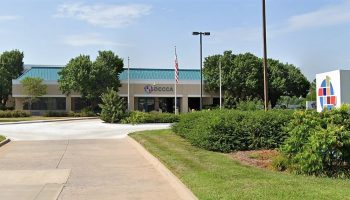
Organizations like DCCCA have massively expanded free, mail-based naloxone distribution, circumventing rural geographic barriers. Furthermore, recent state legislation decriminalizing fentanyl test strips has removed a major hurdle, allowing local coalitions to actively engage in overdose prevention.
For anyone seeking detox in Kansas, exploring telehealth MAT options or connecting with a designated Community Mental Health Center (CMHC) for state-funded block grants is often the most efficient starting point.