Find Drug & Alcohol Detox Centers in Huntsville, AL

Detox Centers in Huntsville

15 Results
Filters
Setting
Medications Offered
Treatment
Programs
Payment Options
Name Address Detox Service Setting Levels Of Care Media

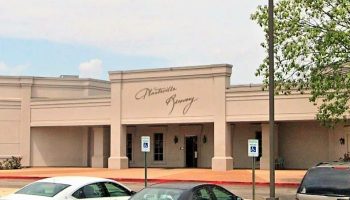
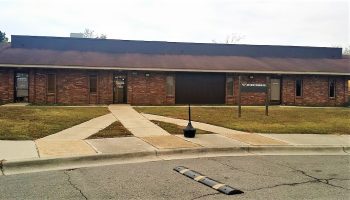
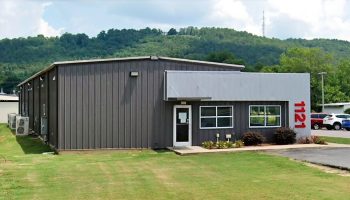
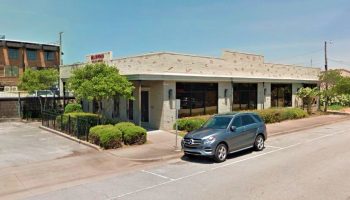
BHG Huntsville Treatment Center

4040 Independence Drive Northwest Huntsville, AL 35816
Detox Service Setting
Outpatient Detox
Levels Of Care
OutpatientAftercareDual Diagnosis
BHG Huntsville Treatment Center

Bradford Health Services Huntsville

6767 Madison Pike Huntsville, AL 35806
Detox Service Setting
Outpatient Detox
Levels Of Care
Outpatient
Bradford Health Services Huntsville

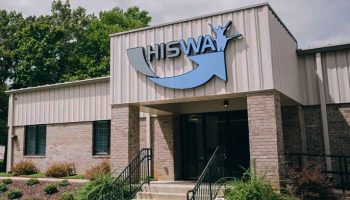
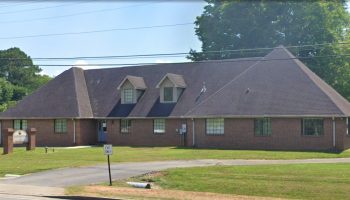
His Way

582 Shields Rd Huntsville, AL 35811
Detox Service Setting
Inpatient DetoxOutpatient Detox
Levels Of Care
InpatientOutpatient
His Way

Huntsville Metro Treatment Center

2227 Drake Avenue Southwest Huntsville, AL 35805
Detox Service Setting
Outpatient DetoxMAT
Levels Of Care
Outpatient
Huntsville Metro Treatment Center

New Horizons Recovery Center

4040 Memorial Parkway Southwest Huntsville, AL 35802
Detox Service Setting
Inpatient DetoxOutpatient DetoxMAT
Levels Of Care
InpatientOutpatientIntensive Outpatient+1
New Horizons Recovery Center

New Season Huntsville Metro Treatment Center

2227 Drake Avenue Southwest Huntsville, AL 35805
Detox Service Setting
Outpatient DetoxMAT
Levels Of Care
OutpatientIntensive Outpatient
New Season Huntsville Metro Treatment Center

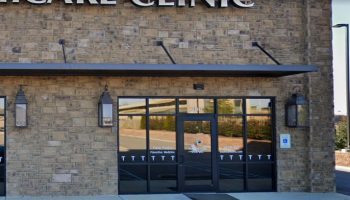
Pathway Healthcare

2010 SouthPoint, Forrest Park Cir NW Huntsville, AL 35801
Detox Service Setting
Inpatient DetoxOutpatient Detox
Levels Of Care
InpatientOutpatient
Pathway Healthcare

Crestwood Medical Center

1 Hospital Drive Southwest Huntsville, AL 35801
Detox Service Setting
Hospital DetoxInpatient DetoxMAT
Levels Of Care
InpatientDual Diagnosis

Elk River Treatment Program – Closed

500 Governors Dr SW Huntsville, AL 35801
Detox Service Setting
Inpatient Detox
Levels Of Care
Inpatient

Synergy Wellness at MidCity

4820 University Drive Northwest Huntsville, AL 35816
Detox Service Setting
Inpatient DetoxOutpatient Detox
Levels Of Care
InpatientOutpatient

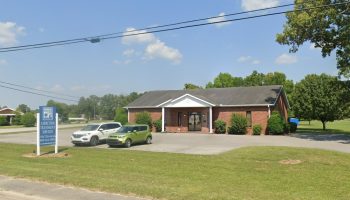
Bradford Health Services

1600 Browns Ferry Road Madison, AL 35758
Detox Service Setting
Inpatient DetoxOutpatient DetoxMAT
Levels Of Care
InpatientOutpatientPHP
Bradford Health Services

Centerstone

416 South Main Street Estill Springs, TN 37330
Detox Service Setting
Outpatient Detox
Levels Of Care
OutpatientDual Diagnosis
Centerstone

Bradford Health Services Manchester

1601 McArthur Street Manchester, TN 37355
Detox Service Setting
Outpatient Detox
Levels Of Care
OutpatientDual Diagnosis
Bradford Health Services Manchester

Gadsden Treatment Center

1121 Gardner Street Gadsden, AL 35901
Detox Service Setting
Outpatient Detox
Levels Of Care
OutpatientAftercareDual Diagnosis
Gadsden Treatment Center

Bradford Health Services Drug and Alcohol Rehab Center in Florence

303 East College Street Florence, AL 35630
Detox Service Setting
Outpatient Detox
Levels Of Care
OutpatientIntervention
Bradford Health Services Drug and Alcohol Rehab Center in Florence

Drug & Alcohol Detox in Huntsville, AL

Drug and alcohol detox programs in Huntsville operate under a dual regulatory framework.

The Alabama Department of Mental Health (ADMH) is the primary licensing and certification authority for all SUD treatment facilities in the state, including detoxification programs, residential treatment centers, outpatient providers and medication-assisted treatment (MAT) clinics.

The Alabama Department of Public Health (ADPH), through its Bureau of Health Provider Standards, separately oversees medical and nursing services provided within those facilities. Any detox center operating in Huntsville should hold active ADMH certification, which is searchable through the ADMH provider directory online.

Madison County has been designated as one of nine pilot counties for Alabama’s SUD Medicaid Demonstration Program, a federal-state partnership designed to expand the full continuum of SUD treatment through Medicaid. That designation has brought additional infrastructure and provider capacity to the Huntsville area compared to many rural parts of Alabama.

Additionally, Project Possibilities, a SAMHSA-funded initiative administered through ADMH, operates in Madison County, connecting people involved in the criminal justice system to MAT and peer recovery support.

A meaningful shift happened for MAT access in 2023, when Alabama repealed its earlier law restricting buprenorphine prescribing. The repeal aligns the state with federal standards, allowing any DEA-registered practitioner with Schedule III authority to prescribe buprenorphine for opioid use disorder without additional certification. This has increased the number of prescribers available in the Huntsville area.

When searching for a program, it helps to understand the different levels of care available locally.
Find The Perfect Detox Center For You

Filter treatment centers in Huntsville by level of care offered to find the best detox program for you or a loved one.

Paying for Detox in Huntsville

The cost of detox in Huntsville depends heavily on the level of care required and the funding source.

Alabama has a network of state-funded providers operating on sliding-scale fees, which keeps treatment accessible for people without commercial insurance. Understanding your options before you call a facility can save significant time and reduce financial stress during an already difficult period.

How Much Does Detox Cost in Huntsville?

Costs in Huntsville track closely with statewide Alabama averages, given that most programs in the region draw from the same provider pool.

The substance involved, medical complexity, length of stay and facility type (nonprofit, state-funded, private residential, or hospital-based) all affect the final cost.

Huntsville’s large defense sector workforce also means many residents carry employer-sponsored commercial plans, which can cover a substantial portion of medically necessary detox.

~$144,000
Medical Detox
~$52,000 (30 days)
Inpatient Rehab
~$8,600
Outpatient Rehab
~$7,600
Methadone Treatment

Does Private Insurance Cover Detox in Huntsville?

Yes, private insurers in Alabama must comply with the federal Mental Health Parity and Addiction Equity Act, which requires coverage for substance use disorder treatment to be no more restrictive than coverage for comparable medical conditions. The Alabama Department of Insurance oversees insurer compliance in the state.

The most widely held commercial plans in Huntsville include:

Bcbs Alabama
United Health Care
Aetna
Cigna
Humana
Tricare

Medicare and Medicaid in Huntsville

Medicare

Medicare plays an important role in healthcare access for Huntsville’s growing senior population. Residents can choose between Original Medicare, Medicare Advantage plans, and Medicare Part D prescription drug coverage offered by a range of private insurers. Huntsville’s extensive healthcare network, including major hospitals, specialty providers, and primary care practices, gives Medicare beneficiaries broad access to medical services throughout Madison County. Many local providers also accept Medicare Supplement (Medigap) plans, helping seniors reduce out-of-pocket costs for services not fully covered by Original Medicare.

Medicaid

Alabama Medicaid covers detoxification, residential treatment, intensive outpatient treatment, outpatient treatment and MAT, including methadone, buprenorphine and Vivitrol. Unfortunately, Alabama has not expanded Medicaid under the ACA, so eligibility remains narrower than in expansion states.

Huntsville’s Madison County is part of Alabama’s SUD Medicaid Demonstration pilot, which has expanded covered services and provider participation in the area. Alabama Medicaid typically covers approved addiction treatment with no copays for eligible enrollees.

Other Ways to Pay for Detox Treatment

ADMH contracts with community-based providers throughout Alabama to offer services on a sliding-fee scale that is tied to income, helping those who are under-resourced low- or no-cost services. ADMH Block Grant funding supports these providers, and all state-funded programs give priority admission to pregnant women at no admission charge.

Another option is WellStone in Huntsville, which accepts Medicaid and offers affordable care through block grant assistance.

Additionally, the Downtown Rescue Mission provides low- or no-cost long-term recovery programming for men and His Way offers men-only residential treatment.

People without insurance can also contact the Alabama Addiction Helpline (1-844-307-1760) for referrals to state-funded options.

Huntsville, Alabama Regulations and Accreditation for Detox

Three regulatory bodies govern detox and SUD treatment in Huntsville:

Alabama Department of Mental Health (ADMH): 

The primary state licensing authority for all behavioral health treatment facilities, including detox programs, outpatient providers, residential treatment centers and MAT clinics. ADMH certifies programs and conducts periodic compliance reviews under the Alabama Administrative Code.

Alabama Department of Public Health (ADPH), Bureau of Health Provider Standards: 

Oversees the medical and healthcare facility dimensions of detox and residential programs, particularly those providing nursing and physician services.

The Joint Commission / CARF International: 

National accrediting bodies that many Huntsville-area providers voluntarily pursue. Accreditation is not required by Alabama law but indicates a facility has met independently verified standards for quality and safety.

Key MAT Medications and Regulatory Status in Huntsville

MAT availability in Huntsville is considerably stronger than in most of rural Alabama.

The 2023 repeal of Alabama’s earlier buprenorphine prescribing restrictions, combined with the 2023 federal elimination of the X-waiver requirement, means that any licensed practitioner with Schedule III DEA authority can now prescribe buprenorphine without additional certification.

Local providers, including WellStone and New Season Treatment Center, offer MAT services in the area.

Three FDA-approved medications are available through Huntsville-area programs:

Buprenorphine (Suboxone, Subutex): 

Used to manage opioid withdrawal symptoms and reduce cravings. Can now be prescribed in office-based settings by a wider range of practitioners.

Methadone: 

Dispensed through federally licensed Opioid Treatment Programs (OTPs). New Season Treatment Center in Huntsville operates a licensed OTP.

Naltrexone (Vivitrol): 

An injectable, non-opioid option that blocks opioid receptors, used after detox to prevent relapse. Covered by Alabama Medicaid.

Overdose Prevention and Harm Reduction in Huntsville

Fentanyl has become the primary driver of overdose deaths in Madison County, accounting for an estimated 70-75% of drug-related deaths in the area, according to the Madison County Coroner.

Counterfeit pills containing fentanyl with no consistent dosing are common in the local drug supply, meaning people who do not intend to use fentanyl may unknowingly consume it.

For this reason, harm reduction resources in Huntsville focus on naloxone access, crisis intervention and peer support, since Alabama does not permit syringe services programs under state law.

WellStone Emergency Services

24/7 behavioral crisis stabilization Mobile Crisis Team (dispatched across Madison County) 988 Suicide and Crisis Lifeline call center (serving north Alabama) Crisis residential care After-hours crisis counseling

WellStone serves as the 988 crisis call center for north Alabama and deploys mobile crisis teams that can respond to substance use and mental health emergencies in the community. In October 2024, WellStone opened Alabama’s first Pediatric Crisis Center in Madison County.

Calling 256-705-6444 or dialing 988 connects people in Huntsville to trained crisis counselors 24 hours a day.

Jefferson County Department of Health (JCDH) Naloxone Program

Free naloxone (Narcan) kits by mail to any Alabama resident Free fentanyl test strips Online overdose response training In-person training upon request

Through a partnership with ADMH, JCDH distributes free naloxone kits and fentanyl test strips to anyone in Alabama with no ID or prescription required. Completing a 10-20 minute online training at jcdh.org/naloxone triggers a free kit to be mailed directly.

This program reaches Huntsville residents who cannot easily access in-person distribution sites.

ADMH Peer Provider Naloxone Distribution

Naloxone distribution through community peer providers Recovery support from people with lived experience Connections to treatment providers

ADMH uses federal Overdose Data to Action (OD2A) grant funds and opioid settlement proceeds to support peer providers who distribute naloxone at community events, provider sites and through direct outreach.

In the 2024 reporting year, ADMH distributed 46,482 naloxone kits statewide, including through events in the Birmingham-Huntsville corridor.

The Partnership for a Drug-Free Community (Huntsville)

Assessments Peer support Referrals and case management for uninsured and underinsured individuals

Based in Huntsville, this organization expanded its services into four surrounding counties using Alabama Opioid Settlement funds.

Detox Statistics in Huntsville, Alabama

Madison County has seen measurable progress in overdose response since late 2023, yet fentanyl remains a pervasive risk across Huntsville’s drug supply.

The statistics below reflect trends at the county, state and local emergency response level.

1,608 Overdose Deaths in Alabama in 2023:

Alabama recorded 1,608 drug overdose deaths in 2023, a rate of 32 per 100,000 people and the highest in the state since data collection began in 1999.

68% Fentanyl Involvement in Alabama Overdose Deaths:

Fentanyl and other synthetic opioids were involved in 68% of all drug overdose deaths in Alabama in 2023, making them by far the most lethal substance in the current drug supply.

71.4 Opioid Prescriptions Per 100 People in Alabama:

Alabama remained the 2nd highest opioid dispensing state in the nation in 2023 at 71.4 prescriptions per 100 people, down from a peak of 143.8 in 2012 but still far above the national average.

FAQs About Detox in Huntsville, AL

Are syringe services programs available in Huntsville?

No. Syringe exchange programs are not permitted under Alabama state law, which means there are no legal needle exchange sites in Huntsville or anywhere in the state.

People who inject drugs and want to reduce disease transmission risk should contact WellStone or the ADMH peer provider network for harm reduction supplies and referrals to treatment.

How do I access state-funded detox in Huntsville if I don't have insurance?

Contact WellStone’s Access to Care line at 256-705-6444 or call the Alabama Addiction Helpline at 1-844-307-1760. ADMH-contracted providers like WellStone use a sliding-fee scale based on income, and block grant funding covers services for people who cannot pay.

A brief screening determines your eligibility and the right level of care.

How do I verify that a Huntsville detox center is legitimate?

Any facility offering detox services in Alabama must hold active ADMH certification. You can search the ADMH provider directory at mh.alabama.gov to confirm a program is state-certified.

Voluntary national accreditation from The Joint Commission or CARF is an additional quality indicator, though it’s not required.

What is the 988 Lifeline and how does it work in Huntsville?

Dialing or texting 988 connects callers to trained crisis counselors around the clock. In north Alabama, WellStone in Huntsville operates the 988 call center.

Counselors can help people experiencing a substance use or mental health crisis, provide referrals to treatment, and dispatch mobile crisis teams when needed. The service is free and confidential.

Does Huntsville have inpatient detox, or is everything outpatient?

Both levels of care are available in the area.

Inpatient detox programs provide 24/7 medical supervision and are appropriate for people with severe withdrawal risk, such as alcohol, benzodiazepine or heavy opioid dependence. Bradford Health Services in Madison and WellStone both serve the Huntsville market.

Outpatient and MAT-based options are more widely available for moderate presentations.

How has the 2023 buprenorphine prescribing change affected MAT access in Huntsville?

Alabama’s 2023 repeal of its earlier buprenorphine prescribing restrictions removed a state-level barrier that limited who could prescribe the medication. Combined with the 2023 federal elimination of the X-waiver requirement, any DEA-registered practitioner with Schedule III authority can now prescribe buprenorphine in office-based settings.

In practical terms, this means more Huntsville primary care providers and general practitioners can initiate buprenorphine treatment, reducing wait times for people seeking MAT who do not yet have access to a specialty clinic.

Two people talking
Get Help Today!
If you or a loved one is in need of help, call today. Pick up the phone and get the help you need.
800-483-2193
Confidential. Available 24 Hours
Get Help Today Phone icon 800-779-4314