

 800-262-4205
Brooks Respite and Recovery Center

About Brooks Respite and Recovery Center
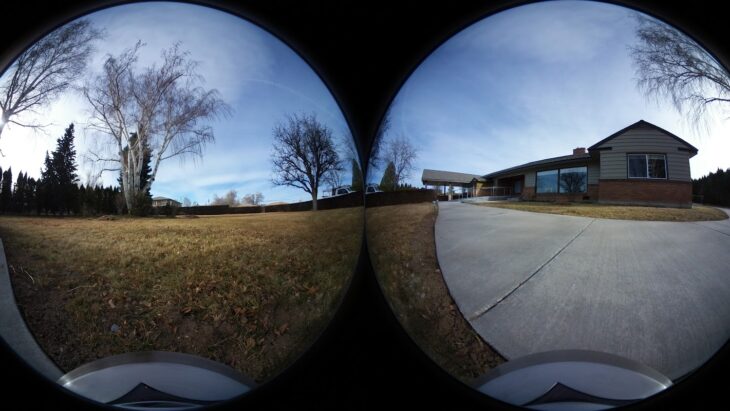
BestCare runs multiple mental health and addiction treatment clinics, including the Brooks Respite and Recovery Center in a commercial district of Redmond, Oregon. This address is a short term stabilization program, and from here you can access their inpatient and outpatient clinics in Redmond.
The Recovery Center accepts the Oregon Health Plan and other private insurance plans. No one is denied access to care due to inability to pay, and they have a sliding scale of fees for those who qualify.
Stabilization for Those in Crisis
The Brooks Center is for those struggling with an acute psychiatric crisis. This could be the result of mental health disorders, substance use, or a combination of the two.
BestCare facilities can treat co-occurring mental health and substance use disorders. At the Brooks Center, you’ll set goals and get a treatment program so you know the next steps in your recovery process.
Residential and Outpatient Care in Redmond
After the stabilization program, you might be transferred to the residential center or outpatient clinic at different addresses in Redmond. The residential location offers medical detox services, and the outpatient clinic can provide medication assisted treatment (MAT) when it’s appropriate.
Both locations also have DUI classes and other court-required services. MAT services include Buprenorphine and Vivitrol along with individual and group counseling.
| Levels of Care | Detox Service Setting | Programs | Payment Options | ||
|---|---|---|---|---|---|
|
Inpatient and residential programs provide round-the-clock medical and emotional support as you live at the treatment facility. This level of care may be recommended if you have severe addictions or mental health conditions since it removes outside distractions and allows you to focus solely on therapy. |
Dual diagnosis programs address substance use disorders and co-occurring mental health conditions simultaneously. This integrated approach to care improves the likelihood of long term recovery and stability by addressing the root causes of addiction. |
||||
|
Inpatient detox occurs in a dedicated treatment facility. You’ll live there around the clock and receive intensive medical support and supervision to help manage your withdrawal symptoms. It is suitable for individuals with moderate to severe addictions as it ensures a stable detox environment. |
|||||
|
Adult programs address the substance use and life challenges specific to adults. Therapists can deliver sessions in individual, group and family settings. Services often include job support and life skills training in a structured environment.
|
Cognitive behavioral therapy focuses on changing harmful thought patterns and behaviors associated with addiction. You’ll learn healthier coping mechanisms by identifying and replacing negative thoughts. This improves your emotional resilience and decreases your relapse potential.
|
Drug detox programs support individuals who are withdrawing from addictive substances like cocaine and heroin. Medical support helps you manage symptoms in a controlled and safe environment so you can achieve initial sobriety.
|
Men's programs address substance use while also considering the social pressures, family roles and mental health concerns that are specific to men. You’ll learn healthy coping mechanisms as you build emotional resilience and develop communication skills.
|
Women's programs offer a safe and supportive space to focus on gender specific issues such as trauma, family roles and mental health conditions. Therapists tailor the sessions to address women's needs and foster empowerment in a healing and nurturing environment.
|
Young adult programs are designed for individuals who are transitioning into adulthood. Topics of discussion typically include identity, independence and peer relationships. Providers may also offer life skills training and career support.
|
|
Private Insurance
|
Self Pay
|
Levels of Care
Inpatient and residential programs provide round-the-clock medical and emotional support as you live at the treatment facility. This level of care may be recommended if you have severe addictions or mental health conditions since it removes outside distractions and allows you to focus solely on therapy.
Dual diagnosis programs address substance use disorders and co-occurring mental health conditions simultaneously. This integrated approach to care improves the likelihood of long term recovery and stability by addressing the root causes of addiction.
Detox Service Setting
Inpatient detox occurs in a dedicated treatment facility. You’ll live there around the clock and receive intensive medical support and supervision to help manage your withdrawal symptoms. It is suitable for individuals with moderate to severe addictions as it ensures a stable detox environment.
Programs
Amenities
Accreditations


Accepted Insurance


Contact



Anna Spooner has spent more than a decade writing about addiction and healthcare. She loves helping people understand their treatment options and removing the anxiety they might feel about seeking help. Anna lives in the Midwestern U.S. with her husband and two cats.

Peter W.Y. Lee is a historian with a focus in American Cold War culture. He has examined how popular culture has served as a coping mechanism for the challenges and changes impacting American society throughout the twentieth century.
Detox.com regularly reviews this listing for accuracy but changes may occur between updates. For the most up-to-date information, please contact Brooks Respite and Recovery Center.
Nearby Detox Centers
Search by Oregon Cities
FAQs
What type of detox and crisis support does Brooks Respite and Recovery Center offer?
Brooks Respite and Recovery Center provides short-term residential crisis stabilization and recovery support for adults experiencing substance use and mental health challenges. The facility operates 24/7 with staffing and structured services including assessment, peer support, case management, and crisis intervention to help individuals stabilize and connect to ongoing treatment resources.
Is Brooks Respite and Recovery Center a residential inpatient detox facility in Redmond?
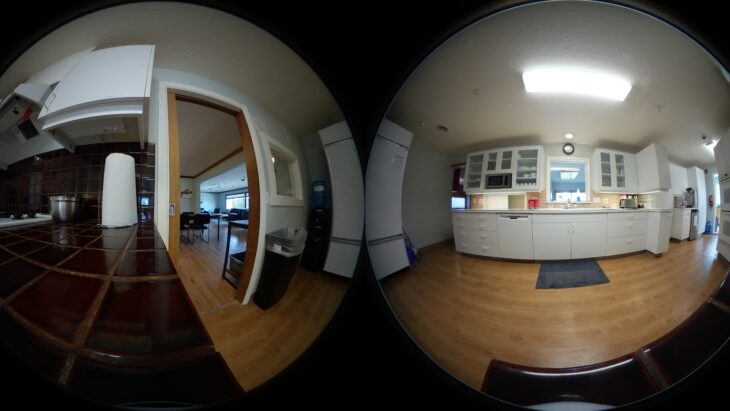
Yes, Brooks Respite and Recovery Center is a residential inpatient facility located at 1470 NW 4th Street in Redmond, Oregon. It provides a home-like, supportive environment for adults (18+) needing short-term residential stabilization around substance use recovery and mental health crises, with 24-hour staffing and structured support available.
What services are included during a stay at Brooks Respite and Recovery Center?
During a stay, the facility provides assessment and evaluation, peer support services, case management, skills training and development, and crisis intervention. The center emphasizes stabilization and connection to ongoing community resources rather than long-term hospitalization, helping individuals transition back to their communities with proper support linkages.
Does Brooks Respite and Recovery Center treat co-occurring mental health and substance use disorders?
Yes, Brooks Respite and Recovery Center specifically serves adults experiencing both mental health and substance use challenges. The facility provides a voluntary, short-term residential alternative that addresses both conditions simultaneously through structured support, peer services, and crisis intervention within a supportive residential setting.
What makes Brooks Respite and Recovery Center different from a hospital emergency department?
Brooks Respite and Recovery Center offers a low-barrier, voluntary alternative to emergency departments for individuals in crisis. Rather than hospital-based acute care, the facility provides short-term residential respite in a home-like setting with peer support, assessment, and connection to treatment resources, allowing individuals to stabilize in a community-based environment.