

 800-262-4205
Burrell Behavioral Health Murney Clinic

About Burrell Behavioral Health Murney Clinic
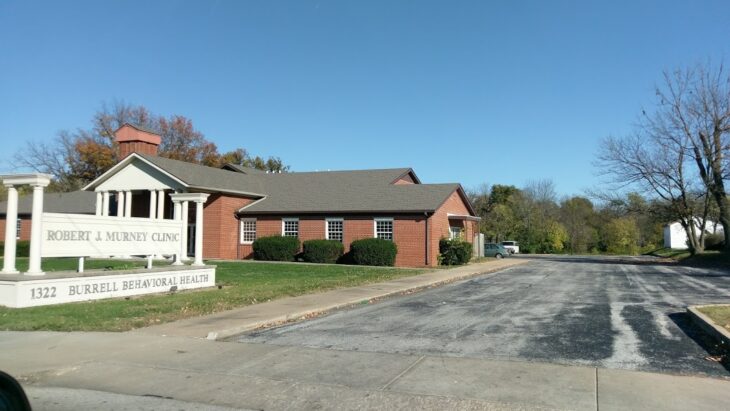
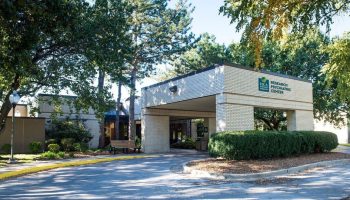
Popular for its outdoor recreational opportunities, Springfield, Missouri, is also home to Burrell Behavioral Health Center Murney Clinic for Addictions. This CARF accredited clinic provides a full continuum of care, including nonmedical withdrawal management. They’ve helped over 40,000 Missouri families reach recovery across 18 counties.
Medication Assisted Treatment
What stands out most to me is their medication assisted treatment program. You can access a specialized, integrated approach for opioid use disorder. They prescribe FDA approved medications to help you manage cravings and withdrawal symptoms. You’ll also participate in expert backed therapies to get to the root of addiction and build coping skills.
Supported Employment
I also think it’s great that they have an Individual Placement and Support Employment Program. Finding employment while dealing with addiction and mental health challenges can be overwhelming. They work with you to offer treatment and vocational rehab to secure a job and enhance your recovery journey.
Housing Services
Lastly, I think their services for those experiencing homelessness or housing insecurity seem wonderful. You can participate in holistic case management, including addiction and co-occurring disorder treatment. They also help you obtain stable housing to sustain recovery.
| Levels of Care | Detox Service Setting | Programs | Payment Options | |||
|---|---|---|---|---|---|---|
|
Outpatient
|
Dual Diagnosis
|
|||||
|
Outpatient detox gives you access to medically supervised withdrawal services while still allowing you to live at home. You’ll attend a clinic for treatment and monitoring. This flexible option is suitable for those with mild to moderate withdrawal symptoms who have strong support systems. |
Medication assisted treatment combines medication and counseling to manage withdrawal and reduce cravings for opioid and alcohol addiction. Medications may include methadone, buprenorphine or naltrexone. MAT is tailored to your needs so you can actively participate in your treatment journey. |
|||||
|
Adult programs address the substance use and life challenges specific to adults. Therapists can deliver sessions in individual, group, and family settings. Services often include job support and life-skills training.
|
Alcohol detox programs offer medical support to help individuals withdraw safely from alcohol. Your care team may use medications to ease your symptoms and provide medical monitoring to address complications.
|
Men's programs address substance use while also considering the social pressures, family roles, and mental health concerns that are specific to men. You’ll learn healthy coping mechanisms as you build emotional resilience and develop communication skills.
|
Opioid detox uses medications to ease severe withdrawal symptoms. It also includes medical supervision to help you manage potential complications. These services allow you to stabilize and begin a recovery plan.
|
Women's programs offer a safe and supportive space to focus on gender-specific issues such as trauma, family roles, and mental health conditions. Therapists tailor the sessions to address women's needs and foster empowerment in a healing and nurturing environment.
|
Young adult programs are designed for individuals who are transitioning into adulthood. Topics of discussion typically include identity, independence, and peer relationships. Providers may also offer life-skills training and career support.
|
Senior programs address the unique needs of older adults like chronic pain, grief and isolation. Programs include peer support and medical oversight for age related health concerns. The goal is to improve quality of life and promote sober aging. |
|
Military Insurance
|
Private Insurance
|
Self Pay
|
Medicaid
|
Medicare
|
Sliding Scale Payment
|
Levels of Care
Detox Service Setting
Outpatient detox gives you access to medically supervised withdrawal services while still allowing you to live at home. You’ll attend a clinic for treatment and monitoring. This flexible option is suitable for those with mild to moderate withdrawal symptoms who have strong support systems.
Medication assisted treatment combines medication and counseling to manage withdrawal and reduce cravings for opioid and alcohol addiction. Medications may include methadone, buprenorphine or naltrexone. MAT is tailored to your needs so you can actively participate in your treatment journey.
Programs
Senior programs address the unique needs of older adults like chronic pain, grief and isolation. Programs include peer support and medical oversight for age related health concerns. The goal is to improve quality of life and promote sober aging.
Amenities
Accepted Insurance


Contact


- Monday 7:30AM - 6:15PM
- Tuesday 7:30AM - 6:15PM
- Wednesday 7:30AM - 6:15PM
- Thursday 7:30AM - 6:15PM
- Friday 7:30AM - 6:15PM
- Saturday 9AM - 11:15AM

Mariah Bourne earned a Master of Arts in Community Social Psychology from the University of Massachusetts Lowell. She has worked as a research associate on addiction and treatment studies, including opioid craving interventions. Today, she is a freelance writer. She’s passionate about sharing knowledge and resources to help others start their recovery journey.

Kerry Nenn is a full-time freelance writer and prize-winning author. She contributes regularly to addiction-recovery sites, international journal publications, and Christian ministries. Her published works include 10 books and myriad articles. Her work has received recognition both locally and nationally.
Detox.com regularly reviews this listing for accuracy but changes may occur between updates. For the most up-to-date information, please contact Burrell Behavioral Health Murney Clinic.
Nearby Detox Centers


Search by Missouri Cities
FAQs
Does Burrell Behavioral Health Murney Clinic offer medication-assisted treatment for opioid addiction?
Yes, Burrell Behavioral Health Murney Clinic in Springfield provides medication-assisted treatment (MAT) as part of its outpatient recovery services. MAT combines FDA-approved medications with counseling and behavioral therapies to treat substance use disorders. Staff can discuss medication options and ongoing support during an initial assessment.
What substances can be treated at Burrell Behavioral Health Murney Clinic?
Burrell Behavioral Health Murney Clinic provides outpatient addiction recovery services for individuals struggling with substance use disorders. The clinic offers substance use counseling, peer support, and medication-assisted treatment. For specific questions about treating a particular substance, individuals can contact the clinic to discuss their situation with recovery staff.
Does Burrell Behavioral Health Murney Clinic treat co-occurring mental health and addiction?
Yes, Burrell Behavioral Health Murney Clinic uses an integrated approach that addresses both mental health and substance use needs simultaneously. The clinic provides therapy, psychiatry, and substance use counseling in one location, allowing staff to support recovery from addiction alongside treatment for depression, anxiety, and other mental health conditions.
What insurance does Burrell Behavioral Health Murney Clinic accept for addiction services?
Burrell Behavioral Health Murney Clinic accepts Medicaid, Medicare, Blue Cross Blue Shield, Cigna, Aetna, and UnitedHealth Group. The clinic also offers sliding scale fees based on income and family size for uninsured individuals, plus self-pay options. Staff can verify coverage and eligibility during the intake process.
Is outpatient detox available at Burrell Behavioral Health Murney Clinic in Springfield?
Burrell Behavioral Health Murney Clinic provides outpatient recovery services including medication-assisted treatment and counseling for substance use. Outpatient detox is available for individuals who do not require inpatient medical supervision. An initial assessment helps determine whether outpatient or a higher level of care is appropriate.