573-240-0423

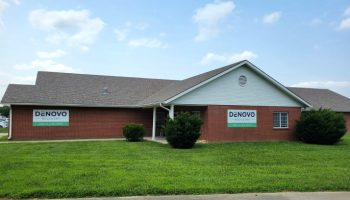




Detoxification (withdrawal management) services in Missouri are primarily regulated through the Missouri Department of Mental Health (DMH) which licenses/certifies behavioral health providers through its Office of Licensure and Certification.
Hospitals providing medically managed withdrawal are also regulated through the broader healthcare system. Controlled substances used in detox and medication-assisted treatment (MAT) intersect with the Missouri Department of Health and Senior Services (DHSS) oversight via the Bureau of Narcotics and Dangerous Drugs (BNDD).
Missouri maintains a statewide naloxone standing order that supports pharmacy access and community distribution. Recent reporting from Missouri’s public health and university partners has highlighted a meaningful decline in overdose deaths in 2024 and continued declines into early 2025. This is an encouraging trend that has increased attention on “rapid linkage” from detox into ongoing treatment (residential or MAT).
Practically, access is uneven across the state. Detox options cluster around major metro areas (St. Louis, Kansas City, Springfield/Columbia corridors), while rural regions often depend on hospital stabilization or traveling to certified programs.
Missouri also remains constrained on some harm-reduction infrastructure. A national legal/policy review notes Missouri’s drug paraphernalia law has historically limited authorized syringe service programs, which can affect outreach-to-treatment pathways for people who inject drugs.