

 800-262-4205
BHG Columbia Treatment Center

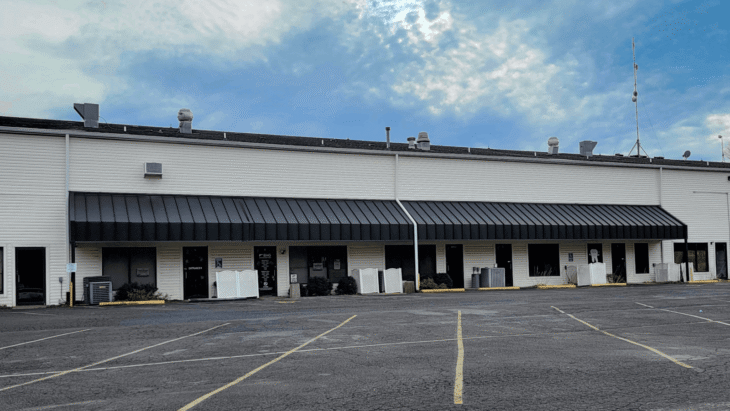
About BHG Columbia Treatment Center
Located in Columbia, Missouri, BHG Columbia Treatment Center provides alcohol and drug rehab services for adults. They specialize in medical detox, outpatient treatment and aftercare support, including specialized services for clients with co-occurring addictions and mental health conditions. Telehealth appointments are available.
The center provides medical detox services for clients withdrawing from opioids, alcohol and other substances. As necessary, providers can administer FDA-approved addiction medications, including buprenorphine, methadone, naloxone, Suboxone, Zubsolv and Bunavail, to reduce client discomfort, alleviate drug cravings and lower the risk of relapse.
In addition to MAT, clients can participate in outpatient counseling and case management services. These services include individual, group and family sessions to help clients learn more about their addictions, identify triggers and develop healthy coping skills for recovery. Treatments are individualized to meet the unique needs of each client.
Their aftercare program may include services to help clients reintegrate into society and achieve long-term recovery. These services include connections to community resources such as vocational training, transitional housing and related programs.
BHG is in-network with Humana and TRICARE. They may also accept other forms of commercial insurance including Aetna, BlueCross BlueShield, Cigna and United Healthcare. Verify coverage with your provider as out of network benefits can vary.
| Levels of Care | Detox Service Setting | Programs | Payment Options | Medications Offered |
|---|---|---|---|---|
|
Inpatient
|
Outpatient
|
|||
|
Inpatient detox occurs in a dedicated treatment facility. You’ll live there around the clock and receive intensive medical support and supervision to help manage your withdrawal symptoms. It is suitable for individuals with moderate to severe addictions as it ensures a stable detox environment. |
Outpatient detox gives you access to medically supervised withdrawal services while still allowing you to live at home. You’ll attend a clinic for treatment and monitoring. This flexible option is suitable for those with mild to moderate withdrawal symptoms who have strong support systems. |
Medication assisted treatment combines medication and counseling to manage withdrawal and reduce cravings for opioid and alcohol addiction. Medications may include methadone, buprenorphine or naltrexone. MAT is tailored to your needs so you can actively participate in your treatment journey. |
||
|
Teen (13 - 18)
|
Adult programs address the substance use and life challenges specific to adults. Therapists can deliver sessions in individual, group, and family settings. Services often include job support and life-skills training.
|
Women's programs offer a safe and supportive space to focus on gender-specific issues such as trauma, family roles, and mental health conditions. Therapists tailor the sessions to address women's needs and foster empowerment in a healing and nurturing environment.
|
Men's programs address substance use while also considering the social pressures, family roles, and mental health concerns that are specific to men. You’ll learn healthy coping mechanisms as you build emotional resilience and develop communication skills.
|
The center specializes in outpatient opioid treatment using medication-assisted therapy with methadone, buprenorphine, and naltrexone combined with behavioral health counseling. |
|
Self Pay
|
Private Insurance
|
|||
|
Methadone
|
Suboxone
|
Levels of Care
Detox Service Setting
Inpatient detox occurs in a dedicated treatment facility. You’ll live there around the clock and receive intensive medical support and supervision to help manage your withdrawal symptoms. It is suitable for individuals with moderate to severe addictions as it ensures a stable detox environment.
Outpatient detox gives you access to medically supervised withdrawal services while still allowing you to live at home. You’ll attend a clinic for treatment and monitoring. This flexible option is suitable for those with mild to moderate withdrawal symptoms who have strong support systems.
Medication assisted treatment combines medication and counseling to manage withdrawal and reduce cravings for opioid and alcohol addiction. Medications may include methadone, buprenorphine or naltrexone. MAT is tailored to your needs so you can actively participate in your treatment journey.
Programs
The center specializes in outpatient opioid treatment using medication-assisted therapy with methadone, buprenorphine, and naltrexone combined with behavioral health counseling.
Medications Offered
Amenities
Accreditations


Accepted Insurance



Contact


- Monday 5AM - 1:30PM
- Tuesday 5AM - 1:30PM
- Wednesday 5AM - 1:30PM
- Thursday 5AM - 1:30PM
- Friday 5AM - 1:30PM
- Saturday 6:30AM - 8:30AM

Nadia holds a Master’s in Secondary Education and serves secondary ed. students and their families through the Shenandoah Valley. When she’s not working with students, Nadia is a contributing writer at LawCommentary.com, offering legal insight into laws, regulations, and accountability concerning the national opioid epidemic.

Courtney Myers writes and edits professionally from her home in North Carolina. She holds an MS in Technical Communication from N.C. State University and has worked in proposal management, marketing, and online content creation. She specializes in creating resources related to behavioral health and addiction recovery.
Detox.com regularly reviews this listing for accuracy but changes may occur between updates. For the most up-to-date information, please contact BHG Columbia Treatment Center.
Nearby Detox Centers

Search by Missouri Cities
FAQs
What detox programs does BHG Columbia Treatment Center offer?
BHG Columbia Treatment Center provides medical detoxification services for individuals withdrawing from alcohol, opioids, benzodiazepines, and other substances. The facility offers medically supervised detox as a foundation for recovery, with options to transition to residential treatment or other levels of care based on individual needs.
How is medical detox supervised at BHG Columbia in Missouri?
Medical detox at BHG Columbia Treatment Center is supervised by a clinical team trained to manage withdrawal symptoms safely. The facility provides medication-assisted treatment and comfort medications to ease the withdrawal process, with staff monitoring clients throughout detoxification to ensure medical safety and stabilization.
What happens during the intake process at BHG Columbia Treatment Center?
During intake at BHG Columbia Treatment Center in Columbia, Missouri, clients complete an assessment to evaluate medical history, substance use, and treatment needs. The clinical team uses this information to determine the appropriate detox protocol and level of care, then develops a personalized treatment plan for the client’s recovery journey.
What treatment options are available after detox at BHG Columbia?
After completing detoxification, clients at BHG Columbia Treatment Center can transition to residential inpatient treatment, partial hospitalization programs, or intensive outpatient services depending on their recovery needs. The facility coordinates step-down care to ensure continuity of treatment and support beyond the detox phase.