

 800-262-4205
McCambridge Center
About McCambridge Center
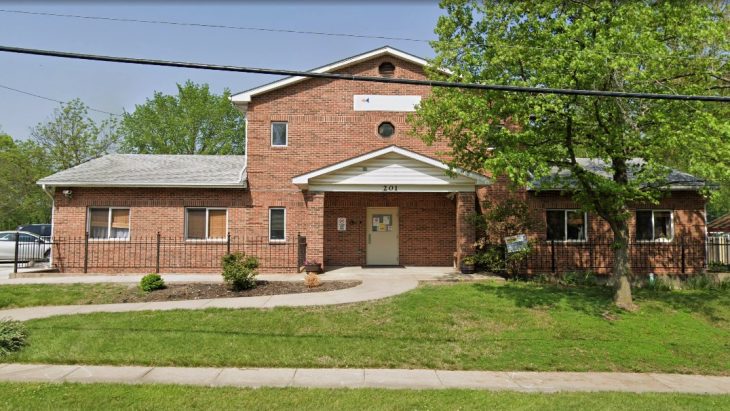
Compass Health Network McCambridge Women and Childrens Treatment Center in Columbia, Missouri is a nonprofit behavioral health organization. This particular facility specializes in treating women aged 18 and older who are struggling with substance use disorder (SUD) and addiction. Care is also available to pregnant individuals and parents.
Founded in 1978, the center was founded by Academy Award-winning actress, Mercedes McCambridge. She was a recovering alcoholic and spokesperson for SUD treatment. Her legacy lives on in the many lives that have been changed as a direct result of this facility.
The center’s compassionate and dedicated multidisciplinary team helps pregnant individuals in accessing prenatal obstetrical care, and helps prepare them for the impending birth of their children. They do this by connecting them with community resources and support systems, and teaching them skills to better manage their substance use. Pregnant individuals can also access educational support that covers topics like nutrition and parenting classes.
Support here is offered on a residential and outpatient basis, and features medication-assisted treatment (MAT) and withdrawal management (WM) services. These integrate the use of FDA-approved meds with therapy sessions for a rounded, holistic approach to recovery. MAT has been shown not only to improve treatment retention, but also improve birth outcomes for perinatal addicts, while offering additional support to pregnant individuals. Clients are empowered to decide whether they want to engage in MAT short or long-term, and can be assisted in weaning when they decide to complete their course.
The center features full-time nursing staff to support clients in addressing their medical and mental health needs. Individual and group therapy are also offered, alongside community support and case management services. If you’re able to head out for excursions to clear your mind, Hominy Creek Trail and Woodridge Park aren’t too far away.
This center also allows women to bring children under the age of 12 to stay with them while in residential care. Staff can offer support daycare and schooling arrangements.
| Levels of Care | Detox Service Setting | Programs | Payment Options | |||
|---|---|---|---|---|---|---|
|
Inpatient and residential programs provide round-the-clock medical and emotional support as you live at the treatment facility. This level of care may be recommended if you have severe addictions or mental health conditions since it removes outside distractions and allows you to focus solely on therapy. |
In outpatient therapy, you’ll attend therapy sessions several times each week while living at home. This is ideal if you have a strong support system and a lower risk of relapse. Outpatient treatment offers flexibility to maintain work, school or family obligations. |
Aftercare programs provide ongoing support after you complete a rehab program. They may include several components to help you maintain sobriety including therapy, community support groups and relapse prevention strategies. This gives you a network of resources as you reintegrate into your daily life. |
Dual diagnosis programs address substance use disorders and co-occurring mental health conditions simultaneously. This integrated approach to care improves the likelihood of long term recovery and stability by addressing the root causes of addiction. |
An intervention is a structured and professionally guided conversation with an individual who is struggling with addiction. During the conversation, family and friends will encourage you to seek treatment. This is often a pivotal step for those resistant to getting help. |
Sober living homes provide a supportive and substance free environment for you to live in as you overcome your addiction. Residents must follow house rules and support each other’s recovery journeys. Sober living fosters accountability and stability during this critical phase of recovery. |
Intensive Outpatient
|
|
Inpatient detox occurs in a dedicated treatment facility. You’ll live there around the clock and receive intensive medical support and supervision to help manage your withdrawal symptoms. It is suitable for individuals with moderate to severe addictions as it ensures a stable detox environment. |
Outpatient detox gives you access to medically supervised withdrawal services while still allowing you to live at home. You’ll attend a clinic for treatment and monitoring. This flexible option is suitable for those with mild to moderate withdrawal symptoms who have strong support systems. |
Medication assisted treatment combines medication and counseling to manage withdrawal and reduce cravings for opioid and alcohol addiction. Medications may include methadone, buprenorphine or naltrexone. MAT is tailored to your needs so you can actively participate in your treatment journey. |
||||
|
Adult programs address the substance use and life challenges specific to adults. Therapists can deliver sessions in individual, group and family settings. Services often include job support and life skills training in a structured environment.
|
Alcohol detox programs offer medical support to help individuals withdraw safely from alcohol. Your care team may use medications to ease your symptoms and provide medical monitoring to address complications.
|
Cognitive behavioral therapy focuses on changing harmful thought patterns and behaviors associated with addiction. You’ll learn healthier coping mechanisms by identifying and replacing negative thoughts. This improves your emotional resilience and decreases your relapse potential.
|
Opioid detox uses medications to ease severe withdrawal symptoms. It also includes medical supervision to help you manage potential complications. These services allow you to stabilize and begin a recovery plan.
|
Women's programs offer a safe and supportive space to focus on gender specific issues such as trauma, family roles and mental health conditions. Therapists tailor the sessions to address women's needs and foster empowerment in a healing and nurturing environment.
|
Young adult programs are designed for individuals who are transitioning into adulthood. Topics of discussion typically include identity, independence and peer relationships. Providers may also offer life skills training and career support.
|
Teen (13 - 18)
|
|
Payment Assistance
|
Medicaid
|
Medicare
|
Military Insurance
|
Private Insurance
|
Self Pay
|
Levels of Care
Inpatient and residential programs provide round-the-clock medical and emotional support as you live at the treatment facility. This level of care may be recommended if you have severe addictions or mental health conditions since it removes outside distractions and allows you to focus solely on therapy.
In outpatient therapy, you’ll attend therapy sessions several times each week while living at home. This is ideal if you have a strong support system and a lower risk of relapse. Outpatient treatment offers flexibility to maintain work, school or family obligations.
Aftercare programs provide ongoing support after you complete a rehab program. They may include several components to help you maintain sobriety including therapy, community support groups and relapse prevention strategies. This gives you a network of resources as you reintegrate into your daily life.
Dual diagnosis programs address substance use disorders and co-occurring mental health conditions simultaneously. This integrated approach to care improves the likelihood of long term recovery and stability by addressing the root causes of addiction.
An intervention is a structured and professionally guided conversation with an individual who is struggling with addiction. During the conversation, family and friends will encourage you to seek treatment. This is often a pivotal step for those resistant to getting help.
Sober living homes provide a supportive and substance free environment for you to live in as you overcome your addiction. Residents must follow house rules and support each other’s recovery journeys. Sober living fosters accountability and stability during this critical phase of recovery.
Detox Service Setting
Inpatient detox occurs in a dedicated treatment facility. You’ll live there around the clock and receive intensive medical support and supervision to help manage your withdrawal symptoms. It is suitable for individuals with moderate to severe addictions as it ensures a stable detox environment.
Outpatient detox gives you access to medically supervised withdrawal services while still allowing you to live at home. You’ll attend a clinic for treatment and monitoring. This flexible option is suitable for those with mild to moderate withdrawal symptoms who have strong support systems.
Medication assisted treatment combines medication and counseling to manage withdrawal and reduce cravings for opioid and alcohol addiction. Medications may include methadone, buprenorphine or naltrexone. MAT is tailored to your needs so you can actively participate in your treatment journey.
Programs
Amenities
Accreditations


Contact



Lauren wears many hats, and works as a holistic deep tissue massage therapist, content strategist, and copywriter. She’s been writing copy and dreaming up content for a number of brands for almost 10 years, having worked with a mixture of B2B and B2C brand. Some of her more notable clients include adidas, Gucci, Pepsi, and Hotels.com. A skilled editor and copywriter, she also enjoys planning content for social media and brand marketing campaigns.

Peter W.Y. Lee is a historian with a focus in American Cold War culture. He has examined how popular culture has served as a coping mechanism for the challenges and changes impacting American society throughout the twentieth century.
Detox.com regularly reviews this listing for accuracy but changes may occur between updates. For the most up-to-date information, please contact McCambridge Center.
Nearby Detox Centers

Search by Missouri Cities
FAQs
Does McCambridge Center offer outpatient detox with medication support?
Yes, McCambridge Center provides outpatient detoxification combined with medication-assisted treatment (MAT). The facility integrates medications with counseling and behavioral therapies as part of a whole-patient approach to substance use treatment, allowing clients to receive detox services while maintaining daily routines in Columbia, Missouri.
What age groups does McCambridge Center's detox program serve?
McCambridge Center serves both adults 18 and older and adolescents aged 13 to 18. The facility offers separate adult and teen CSTAR (Comprehensive Substance Treatment and Rehabilitation) programs through Compass Health Network, ensuring age-appropriate detox and substance use treatment for each population.
Is intensive outpatient detox available at McCambridge Center in Columbia?
Yes, McCambridge Center offers intensive outpatient care as part of its detox and substance use treatment continuum. This level of care provides more frequent appointments and support than standard outpatient services while allowing clients to live at home and maintain work or school responsibilities.
Can clients access telehealth services during detox at McCambridge Center?
Telehealth services are available for many programs at McCambridge Center when clinically appropriate. This allows clients receiving outpatient or intensive outpatient detox to access counseling, behavioral therapies, and medication management remotely, increasing flexibility for Columbia-area residents.
What behavioral health services are integrated with detox at McCambridge Center?
McCambridge Center integrates psychiatric services, counseling (individual, couple, and family), and behavioral therapies alongside detox and MAT. The facility provides psychiatric evaluations and medication management as part of its comprehensive approach, supporting clients with co-occurring mental health needs during treatment.