

 800-262-4205
Eagle Creek Ranch Recovery

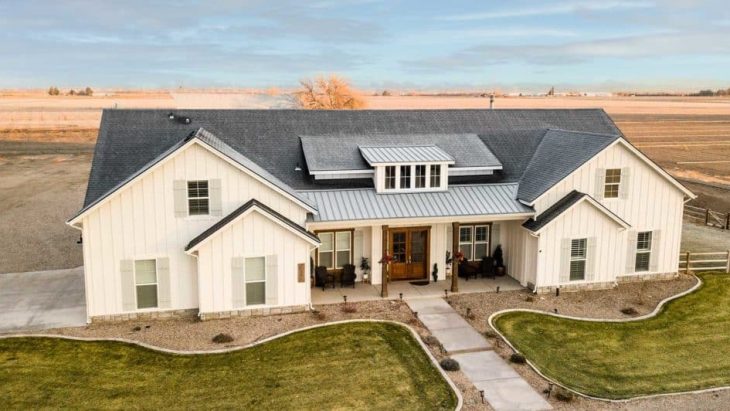
About Eagle Creek Ranch Recovery
Eagle Creek Ranch Recovery is a medical detox program in Nampa. It’s for men only, and the program has 6 to 15 beds.
They serve men from Boise, Meridian, Star, Middleton and Nampa, and from throughout Idaho and the country.
It’s accredited by The Joint Commission and holds NAATP membership.
Medical Detox in Nampa
A medical team at Eagle Creek watches you closely and can give medication to ease withdrawal symptoms. Withdrawal symptoms can shift, and the monitoring is there so staff can respond when they do.
People in outpatient care live at home and keep up regular responsibilities, but they have to come in on a schedule for counseling and medicine.
Residential care is usually 30 days, but the stay can run shorter or longer based on what the person needs.
After the residential program, you’ll move into aftercare that includes relapse prevention planning and referrals to transitional living.
If you’re worried about paying, they take most major insurance plans, and many of those are out-of-network and come from across the United States.
| Levels of Care | Detox Service Setting | Programs | Payment Options | |||
|---|---|---|---|---|---|---|
|
Dual diagnosis programs address substance use disorders and co-occurring mental health conditions simultaneously. This integrated approach to care improves the likelihood of long term recovery and stability by addressing the root causes of addiction. |
Aftercare programs provide ongoing support after you complete a rehab program. They may include several components to help you maintain sobriety including therapy, community support groups and relapse prevention strategies. This gives you a network of resources as you reintegrate into your daily life. |
Sober living homes provide a supportive and substance free environment for you to live in as you overcome your addiction. Residents must follow house rules and support each other’s recovery journeys. Sober living fosters accountability and stability during this critical phase of recovery. |
You’ll live at home and keep your regular responsibilities, and you check in at scheduled times for counseling and medicine. |
Partial hospitalization programs provide comprehensive treatment in a structured setting during the day but allow you to return home at night. These programs offer a balance of inpatient and outpatient rehab and provide intensive support without full time residency. |
Residential treatment usually lasts 30 days here, and it can run shorter or longer depending on what a person needs. |
Intensive Outpatient
|
|
Outpatient detox gives you access to medically supervised withdrawal services while still allowing you to live at home. You’ll attend a clinic for treatment and monitoring. This flexible option is suitable for those with mild to moderate withdrawal symptoms who have strong support systems. |
Medication assisted treatment combines medication and counseling to manage withdrawal and reduce cravings for opioid and alcohol addiction. Medications may include methadone, buprenorphine or naltrexone. MAT is tailored to your needs so you can actively participate in your treatment journey. |
Inpatient detox occurs in a dedicated treatment facility. You’ll live there around the clock and receive intensive medical support and supervision to help manage your withdrawal symptoms. It is suitable for individuals with moderate to severe addictions as it ensures a stable detox environment. |
||||
|
Eagle Creek Ranch Recovery is for men only, covering both addiction treatment and mental health care. |
Senior programs address the unique needs of older adults like chronic pain, grief and isolation. Programs include peer support and medical oversight for age related health concerns. The goal is to improve quality of life and promote sober aging.
|
Cognitive behavioral therapy focuses on changing harmful thought patterns and behaviors associated with addiction. You’ll learn healthier coping mechanisms by identifying and replacing negative thoughts. This improves your emotional resilience and decreases your relapse potential.
|
||||
|
Private Insurance
|
Self Pay
|
Levels of Care
Dual diagnosis programs address substance use disorders and co-occurring mental health conditions simultaneously. This integrated approach to care improves the likelihood of long term recovery and stability by addressing the root causes of addiction.
Aftercare programs provide ongoing support after you complete a rehab program. They may include several components to help you maintain sobriety including therapy, community support groups and relapse prevention strategies. This gives you a network of resources as you reintegrate into your daily life.
Sober living homes provide a supportive and substance free environment for you to live in as you overcome your addiction. Residents must follow house rules and support each other’s recovery journeys. Sober living fosters accountability and stability during this critical phase of recovery.
You’ll live at home and keep your regular responsibilities, and you check in at scheduled times for counseling and medicine.
Partial hospitalization programs provide comprehensive treatment in a structured setting during the day but allow you to return home at night. These programs offer a balance of inpatient and outpatient rehab and provide intensive support without full time residency.
Residential treatment usually lasts 30 days here, and it can run shorter or longer depending on what a person needs.
Detox Service Setting
Outpatient detox gives you access to medically supervised withdrawal services while still allowing you to live at home. You’ll attend a clinic for treatment and monitoring. This flexible option is suitable for those with mild to moderate withdrawal symptoms who have strong support systems.
Medication assisted treatment combines medication and counseling to manage withdrawal and reduce cravings for opioid and alcohol addiction. Medications may include methadone, buprenorphine or naltrexone. MAT is tailored to your needs so you can actively participate in your treatment journey.
Inpatient detox occurs in a dedicated treatment facility. You’ll live there around the clock and receive intensive medical support and supervision to help manage your withdrawal symptoms. It is suitable for individuals with moderate to severe addictions as it ensures a stable detox environment.
Programs
Eagle Creek Ranch Recovery is for men only, covering both addiction treatment and mental health care.
Contact



Maygen Brockway, MTC, lives in scenic Southern Utah and has over 10 years of editing and writing experience. She’s created content for the medical, wedding, fashion, and technical industries. She loves poetry and coffee, writing, and being a social butterfly and a mom.
Detox.com regularly reviews this listing for accuracy but changes may occur between updates. For the most up-to-date information, please contact Eagle Creek Ranch Recovery.
Nearby Detox Centers
Search by Idaho Cities
FAQs
What levels of care does Eagle Creek Ranch Recovery offer?
Medical detox, residential care, outpatient care, intensive outpatient, aftercare and a 12-step foundation program. Detox is closely monitored, with medication to ease withdrawal. Residential care usually runs 30 days. You live at home for outpatient and check in for counseling and medicine. Aftercare follows residential care, and co-occurring disorders care is part of treatment too.
How long does residential treatment usually last?
Usually 30 days, though it can be shorter or longer depending on what you need. Outpatient is the other shape: you live at home, keep your regular responsibilities and check in at scheduled times for counseling and medicine. A 12-step foundation program is also part of how care is organized.
Does the program take out-of-network insurance?
Yes. Most major insurance plans are accepted. Many of them sit outside a network, and they come from around the country. Learn about using insurance for detox.
Which areas does the program serve?
Men from Nampa, Boise, Meridian and Middleton, and also from throughout Idaho and the country. You don’t have to live in those towns to be in the service area.
Is this program only for men?
Yes. It is a men-only program for addiction treatment and for mental health care. That’s the group it is for, and care here stays limited to men.