

 800-262-4205
FCCR Fredericksburg


About FCCR Fredericksburg
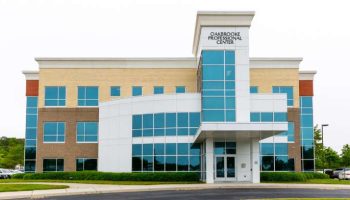
Pinnacle Treatment Centers–Fredericksburg provides flexible and low-cost opioid use recovery through medication-assisted treatment (MAT) for adults in Fredericksburg. They’re located in the Lee’s Hill area of southern Fredericksburg, Virginia, just off the U.S. Route 1 within Spotsylvania County. The clinic serves patients from nearby Stafford and Richmond. The facility delivers outpatient medication-supported recovery that helps residents of this community overcome opioid dependence and live a healthy lifestyle.
They offer specialized services for pregnant women in recovery alongside professional treatment for doctors, pilots, and lawyers. Most past clients are satisfied with the care they received, with many saying the team helped save their lives. They accept Medicaid, Medicare and Medicare Advantage and several commercial insurance plans. They even accept out-of-network coverages to enhance accessibility.
Medication-Supported Treatment (MAT) Using Methadone & Suboxone
MAT pairs FDA-approved Suboxone and methadone with counseling. You’ll be prescribed either of these meds to help you curb physiological cravings and alleviate painful withdrawal symptoms. You’ll also attend tailored group and individual therapy to address underlying psychological issues and build effective coping tools.
They offer psychoeducational groups and life skill classes to help you practice problem-solving, critical thinking and self-management. Gender-specific groups address unique recovery needs and alumni aftercare fosters continued support and connection. It’s particularly convenient that they support telehealth counseling for more flexibility.
The program integrates onsite 12 Step meetings to build a strong support network. They even offer family counseling to strengthen your natural support network and improve healing at home. The care team will regularly review your progress and adjust your tailored care as necessary. You’ll be assisted in accessing community resources that ensure lasting healing via case management as you move forward. This ensures you stay on track and get the right support at every stage of recovery.
| Levels of Care | Detox Service Setting | Programs | Payment Options |
|---|---|---|---|
|
Inpatient and residential programs provide round-the-clock medical and emotional support as you live at the treatment facility. This level of care may be recommended if you have severe addictions or mental health conditions since it removes outside distractions and allows you to focus solely on therapy. |
In outpatient therapy, you’ll attend therapy sessions several times each week while living at home. This is ideal if you have a strong support system and a lower risk of relapse. Outpatient treatment offers flexibility to maintain work, school or family obligations. |
Intensive Outpatient
|
|
|
Inpatient detox occurs in a dedicated treatment facility. You’ll live there around the clock and receive intensive medical support and supervision to help manage your withdrawal symptoms. It is suitable for individuals with moderate to severe addictions as it ensures a stable detox environment. |
Outpatient detox gives you access to medically supervised withdrawal services while still allowing you to live at home. You’ll attend a clinic for treatment and monitoring. This flexible option is suitable for those with mild to moderate withdrawal symptoms who have strong support systems. |
Medication assisted treatment combines medication and counseling to manage withdrawal and reduce cravings for opioid and alcohol addiction. Medications may include methadone, buprenorphine or naltrexone. MAT is tailored to your needs so you can actively participate in your treatment journey. |
|
|
Alcohol detox programs offer medical support to help individuals withdraw safely from alcohol. Your care team may use medications to ease your symptoms and provide medical monitoring to address complications.
|
Drug detox programs support individuals who are withdrawing from addictive substances like cocaine and heroin. Medical support helps you manage symptoms in a controlled and safe environment so you can achieve initial sobriety.
|
Adult programs address the substance use and life challenges specific to adults. Therapists can deliver sessions in individual, group and family settings. Services often include job support and life skills training in a structured environment. |
Opioid detox uses medications to ease severe withdrawal symptoms. It also includes medical supervision to help you manage potential complications. These services allow you to stabilize and begin a recovery plan. |
|
Private Insurance
|
Self Pay
|
Levels of Care
Inpatient and residential programs provide round-the-clock medical and emotional support as you live at the treatment facility. This level of care may be recommended if you have severe addictions or mental health conditions since it removes outside distractions and allows you to focus solely on therapy.
In outpatient therapy, you’ll attend therapy sessions several times each week while living at home. This is ideal if you have a strong support system and a lower risk of relapse. Outpatient treatment offers flexibility to maintain work, school or family obligations.
Detox Service Setting
Inpatient detox occurs in a dedicated treatment facility. You’ll live there around the clock and receive intensive medical support and supervision to help manage your withdrawal symptoms. It is suitable for individuals with moderate to severe addictions as it ensures a stable detox environment.
Outpatient detox gives you access to medically supervised withdrawal services while still allowing you to live at home. You’ll attend a clinic for treatment and monitoring. This flexible option is suitable for those with mild to moderate withdrawal symptoms who have strong support systems.
Medication assisted treatment combines medication and counseling to manage withdrawal and reduce cravings for opioid and alcohol addiction. Medications may include methadone, buprenorphine or naltrexone. MAT is tailored to your needs so you can actively participate in your treatment journey.
Programs
Adult programs address the substance use and life challenges specific to adults. Therapists can deliver sessions in individual, group and family settings. Services often include job support and life skills training in a structured environment.
Opioid detox uses medications to ease severe withdrawal symptoms. It also includes medical supervision to help you manage potential complications. These services allow you to stabilize and begin a recovery plan.
Amenities
Accreditations

Accepted Insurance






Contact


- Monday 5:30AM - 11:30AM
- Tuesday 5:30AM - 11:30AM
- Wednesday 5:30AM - 11:30AM
- Thursday 5:30AM - 11:30AM
- Friday 5:30AM - 11:30AM
- Saturday 6:30AM - 10AM

Chika Uchendu has expertise in personal finance, technology, and health. His journalism and digital marketing background enables him to combine data-driven analysis with engaging storytelling. Chika uses his voice to drive awareness and meaningful change among people dealing with the pandemic of substance use disorder. Chika is an ambivert who enjoys sports, hiking, reading, and video gaming.

Peter W.Y. Lee is a historian with a focus in American Cold War culture. He has examined how popular culture has served as a coping mechanism for the challenges and changes impacting American society throughout the twentieth century.
Detox.com regularly reviews this listing for accuracy but changes may occur between updates. For the most up-to-date information, please contact FCCR Fredericksburg.
Nearby Detox Centers
Search by Virginia Cities
FAQs
What outpatient detox and medication-assisted treatment does FCCR Fredericksburg provide?
FCCR Fredericksburg offers outpatient detoxification and medication-assisted treatment (MAT) for opioid use disorder and other substance use disorders. The facility provides methadone and Suboxone treatment combined with individual and group counseling, case management, and peer support services to help sustain recovery.
Does FCCR Fredericksburg offer intensive outpatient or standard outpatient programs?
The facility provides both Intensive Outpatient Program (IOP) and standard Outpatient Program (OP) options. Each patient receives an individualized treatment plan designed to meet their unique needs and recovery goals, with services including individual therapy, group counseling, and medication management.
What happens during an assessment at FCCR Fredericksburg in Fredericksburg, Virginia?
FCCR Fredericksburg offers walk-in assessments during business hours at its location on Main Street. During assessment, the medical team evaluates the patient’s substance use history, medical and mental health needs, and develops an individualized treatment plan to determine the appropriate level of care and medication options if applicable.
Does FCCR Fredericksburg treat co-occurring mental health conditions alongside addiction?
Yes, the facility treats co-occurring mental health conditions including depression, anxiety, and PTSD alongside substance use disorders. The treatment approach combines medication-assisted therapy with counseling and support services to address both addiction and mental health needs.
What specialized services does FCCR Fredericksburg offer for specific populations?
FCCR Fredericksburg provides specialized services for pregnant women and individuals involved with the criminal justice system. The facility also offers DUI/DWI education and support for people on probation or parole, in addition to treatment for adults struggling with opioid and other substance use disorders.