804-250-5432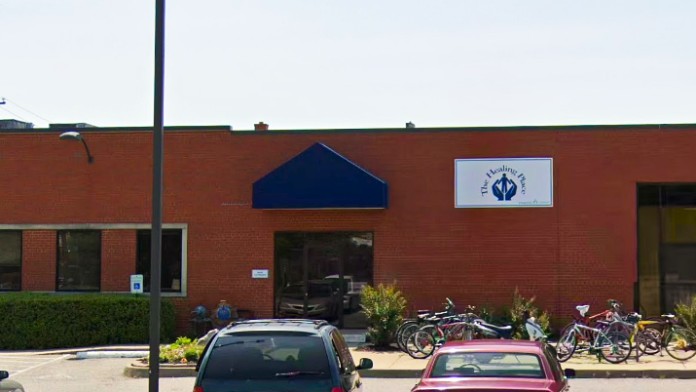
The CARITAS Healing Place for Men
Richmond, VA
23224
| Name | Address | Detox Service Setting | Levels Of Care | Media |
|---|---|---|---|---|
FCCR Fredericksburg |
11720 Main Street Fredericksburg, VA 22408 |
Detox Service Setting
Inpatient DetoxOutpatient DetoxMAT
|
Levels Of Care
InpatientOutpatientIntensive Outpatient
|
|
Family Counseling Centers for Recovery |
11720 Main Street Fredericksburg, VA 22408 |
Detox Service Setting
Outpatient Detox
|
Levels Of Care
Outpatient
|
|
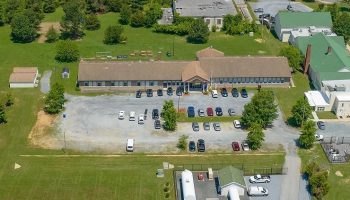
The Jude House Residential Charles County |
9505 Crain Highway Bel Alton, MD 20611 |
Detox Service Setting
Inpatient DetoxOutpatient Detox
|
Levels Of Care
InpatientOutpatientAftercare+2
|
|
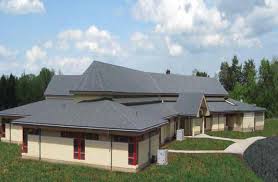
Boxwood Recovery Center |
15511 Guinn Lane Culpeper, VA 22701 |
Detox Service Setting
Inpatient DetoxOutpatient Detox
|
Levels Of Care
InpatientOutpatientPHP+2
|
|
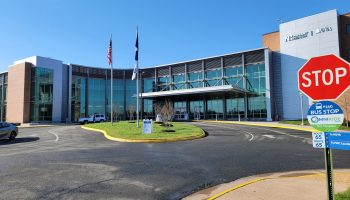
UVA Health Behavioral Health Prince William |
8700 Sudley Road Manassas, VA 20110 |
Detox Service Setting
Inpatient DetoxOutpatient Detox
|
Levels Of Care
InpatientOutpatientAftercare+1
|
|
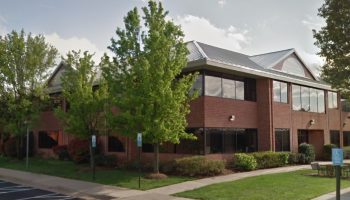
Prince William County Community Services |
7969 Ashton Avenue Manassas, VA 20109 |
Detox Service Setting
Outpatient Detox
|
Levels Of Care
OutpatientDual Diagnosis
|
|
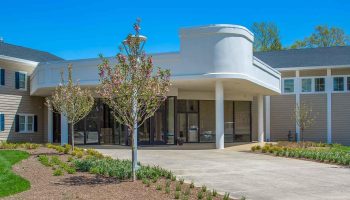
Recovery Centers of America Capital Region |
11100 Billingsley Road Waldorf, MD 20602 |
Detox Service Setting
Inpatient DetoxMAT
|
Levels Of Care
InpatientAftercareDual Diagnosis+3
|
|
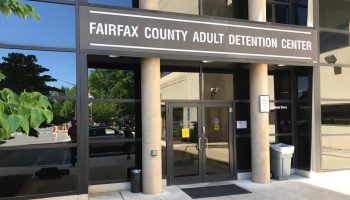
Fairfax Falls Church Community Services Board Adult Detention Center |
10520 Judicial Drive Fairfax, VA 22030 |
Detox Service Setting
Inpatient DetoxOutpatient Detox
|
Levels Of Care
InpatientOutpatientAftercare+2
|
|
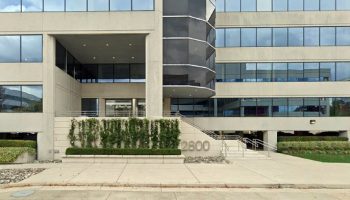
Woodard Detox |
2800 Eisenhower Ave Alexandria, VA 22314 |
Detox Service Setting
Inpatient DetoxOutpatient Detox
|
Levels Of Care
InpatientOutpatient
|
|
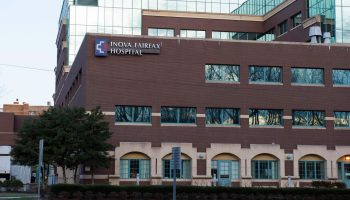
Inova Fairfax Medical Campus |
3300 Gallows Road Falls Church, VA 22042 |
Detox Service Setting
Inpatient DetoxOutpatient DetoxMAT
|
Levels Of Care
InpatientPHPAftercare+1
|
|
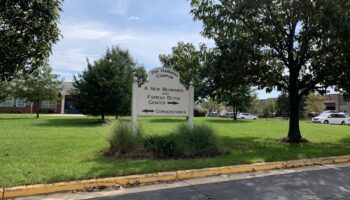
Fairfax Detoxification Center |
4213 Walney Road Chantilly, VA 20151 |
Detox Service Setting
Inpatient DetoxMAT
|
Levels Of Care
InpatientAftercare
|
|
Alexandria Community Services Board Alexandria Regional Detoxification Ctr |
Mill Road Alexandria, VA 22314 |
Detox Service Setting
Inpatient Detox
|
Levels Of Care
Inpatient
|
|
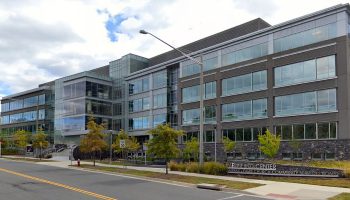
Merrifield Center |
8221 Willow Oaks Corporate Drive Fairfax, VA 22031 |
Detox Service Setting
Inpatient DetoxOutpatient DetoxMAT
|
Levels Of Care
InpatientPHPOutpatient+2
|
|
MedStar Health: Urgent Care at Alexandria |
3610 King Street Alexandria, VA 22302 |
Detox Service Setting
Inpatient DetoxOutpatient Detox
|
Levels Of Care
InpatientOutpatient
|
|
Middle Peninsula Northern Neck Essex Counseling Center |
330 Hospital Road Tappahannock, VA 22560 |
Detox Service Setting
Outpatient Detox
|
Levels Of Care
OutpatientAftercareDual Diagnosis
|
|
Fredericksburg sits at the center of Planning District 16, which covers the city and surrounding counties of Spotsylvania, Stafford, Caroline and King George.
Its position along the Interstate 95 corridor between Washington, D.C., and Richmond has historically made the area a transit point for illicit drugs, contributing to overdose rates that have ranked among the highest in Virginia. In fact, for years, Fredericksburg ranked fifth statewide in the rate of fatal overdoses per 100,000 residents, a distinction that mobilized the local public health community into sustained action.
Detox and substance use disorder treatment facilities in Fredericksburg are licensed by the Virginia Department of Behavioral Health and Developmental Services (DBHDS), the primary state regulator for all behavioral health providers.
Facilities serving Medicaid members must also comply with the state’s Addiction and Recovery Treatment Services (ARTS) benefit framework, administered by the Department of Medical Assistance Services (DMAS). Updated DBHDS licensing rules that took effect in June 2025 aligned provider standards with the American Society of Addiction Medicine (ASAM) levels of care, which now govern staffing frameworks and clinical benchmarks for withdrawal management services statewide.
The public safety net in the Fredericksburg area is anchored by the Rappahannock Area Community Services Board (RACSB), which has operated since 1970. RACSB provides outpatient and medically supervised detox through its Sunshine Lady House crisis stabilization program, covering withdrawal from alcohol, opioids and benzodiazepines.
The board serves Medicaid recipients, uninsured residents and people referred through the courts, and it operates on a sliding-fee scale.
A mix of harm reduction services is available to help the residents of Fredericksburg. For example, the Be Well Rappahannock Council, a multi-sector coalition that formed after a 2017 town hall on local overdose deaths, continues to coordinate education, harm reduction and treatment access across the region.
As well, Virginia’s Opioid Abatement Authority has also directed funding to the area, supporting expanded naloxone access and community outreach through local health districts and community services boards.
The cost of detox in Fredericksburg depends on the level of care, the substances involved and whether a facility operates as a private provider or a publicly funded program. Understanding your options before entering treatment can reduce financial barriers and prevent delays during a critical window.
Detox costs vary significantly by level of care. Fredericksburg-specific pricing is not publicly reported, but Virginia and national data give a useful baseline. The length of your stay, the severity of your withdrawal and the type of medication support required all affect final costs.
Under the Affordable Care Act, private insurers must cover mental health and substance use disorder treatment at parity with other medical benefits. The Virginia Bureau of Insurance oversees compliance for plans sold in the state.
Coverage terms, copays and in-network requirements vary by plan, so calling your insurer before admission is strongly recommended.
The most common commercial insurance carriers in the Fredericksburg area include:
Medicare covers medically necessary detox and withdrawal management services, including inpatient hospital detox under Part A and opioid treatment program services (methadone, buprenorphine, naltrexone) under Part B. Copays, deductibles, and prior authorization requirements depend on your specific plan and the type of service.
Virginia Medicaid covers detox and substance use treatment through the Addiction and Recovery Treatment Services (ARTS) benefit, which includes inpatient detox, residential care, outpatient services and medication-assisted treatment.
Most managed care enrollees will need authorization for inpatient levels of care. You can contact Cover Virginia at 1-833-522-5582 or visit coverva.org to check eligibility.
Do not let cost prevent you from accessing care. The Fredericksburg area has several pathways for people without private insurance:

RACSB operates on a sliding-fee scale based on income. The agency accepts Medicaid, Medicare, TRICARE, and private insurance and provides financial assistance to uninsured residents through state and federal block grants.
RACSB’s Sunshine Lady House provides medically supervised withdrawal management for eligible residents at no cost for those who qualify under state crisis stabilization criteria.
TRICARE covers SUD treatment for active-duty and retired military. The nearest VA facility serving the Fredericksburg area is the Fredericksburg VA Health Care Center; additional services are available at the Richmond and Washington, D.C., VA Medical Centers.
Several faith-based residential programs serve the Fredericksburg area for those without insurance and without eligibility for public funding. Contact RACSB at 540-373-3223 for referrals.
Here are the key regulatory and accreditation bodies overseeing detox and withdrawal management services in Fredericksburg and Virginia:
The primary state licensing authority for all substance use disorder treatment facilities in Virginia, including detox programs. DBHDS issues and monitors operating licenses under Virginia Code 37.2-405, conducts compliance inspections, and oversees the protection of rights for all individuals receiving services from licensed providers.
Updated DBHDS licensing standards, effective June 19, 2025, embedded staffing and clinical training requirements within the ASAM levels-of-care framework, replacing older standalone regulations.
DMAS administers the Virginia Medicaid ARTS benefit and oversees provider certification for facilities serving Medicaid members. Residential SUD treatment programs must obtain ASAM Level of Care certification (Levels 3.1, 3.3, 3.5, or 3.7) in addition to their DBHDS license to be reimbursable under ARTS.
DMAS also manages the 1115 Waiver that funds expanded community-based addiction and recovery services across the state.
The local public health authority covering Fredericksburg, Spotsylvania, Stafford, Caroline and King George, RAHD monitors overdose trends in the region, coordinates naloxone distribution through local health department sites and provides epidemiological data that informs treatment resource allocation.
RAHD staff support REVIVE! naloxone training and dispense free naloxone at the Fredericksburg Health Department (608 Jackson Street).
Medication-assisted detox is available at multiple Fredericksburg-area providers, including RACSB and Family Counseling Centers for Recovery.
Federal oversight from SAMHSA (under 42 CFR Part 8) and the DEA governs opioid treatment programs, while DBHDS aligns Virginia’s state standards to these federal requirements.
Widely prescribed in the Fredericksburg area through outpatient clinics and telehealth. Providers no longer require an X-waiver following the 2023 federal rule change, expanding prescriber access. Virginia Medicaid covers buprenorphine products at no cost to enrolled members.
Restricted to SAMHSA-certified Opioid Treatment Programs and cannot be prescribed in a standard outpatient pharmacy setting for opioid use disorder. Family Counseling Centers for Recovery (Fredericksburg) operates a methadone maintenance program. Initial daily clinic visits are required under federal regulations.
No special licensing required. Available in oral and injectable (Vivitrol) formulations through most outpatient providers and primary care physicians. Fully covered by Virginia Medicaid. Commonly used in the Fredericksburg area for both opioid and alcohol use disorder.
Fredericksburg’s harm reduction network reflects years of community organizing after the city’s overdose death rate drew statewide attention. Local health agencies, nonprofits and the public sector have built a coordinated system for naloxone access, overdose education and connection to care.
Fentanyl now drives the majority of overdose deaths in Virginia; therefore, local programs are specifically designed to address the risks of a drug supply in which fentanyl contamination is widespread.
RACSB dispenses free naloxone in partnership with the Virginia Department of Health. Rapid training and naloxone dispensing are held on the first Friday of every month from 1 to 3 p.m. at the Fredericksburg Clinic (600 Jackson Street). Monthly sessions are also offered at the RACSB at the River Club location in Spotsylvania County.
RAHD distributes free naloxone daily between 8:30 a.m. and 4:00 p.m. at the Fredericksburg Health Department (608 Jackson Street, 540-899-4142) and at county health department locations in Caroline, King George, Spotsylvania and Stafford.
Virginia Medicaid also covers naloxone at no cost to members through in-network pharmacies.
Save1Life is a locally organized campaign coordinating harm reduction, prevention, treatment and recovery resources across Fredericksburg and surrounding communities. The coalition connects residents to free naloxone sources, treatment options and community education.
Its website provides an up-to-date directory of where to obtain naloxone and what to do during an overdose emergency.
The Chris Atwood Foundation operates in Northern Virginia and has mailed more than 120,000 doses of naloxone to Virginia residents since its founding, with more than 2,000 documented overdose reversals attributed to its kits.
The CAF was the first organization authorized to operate a Comprehensive Harm Reduction Program in Northern Virginia, and its mobile van serves communities in the region. Virginia Code 32.1-45.4 provides legal protections from paraphernalia prosecution for enrolled CHR participants.
Virginia has seen a sustained decline in overdose deaths over the past two years, driven largely by expanded naloxone access, harm reduction programming and increased MAT availability.
The Fredericksburg region continues to prioritize local overdose response as fentanyl remains the substance involved in the majority of fatal cases statewide.
Almost seven in ten drug overdose deaths among Virginia residents in 2024 involved fentanyl, fentanyl analogs, or tramadol.
From 2007 to 2018, Fredericksburg ranked fifth statewide in the rate of fatal overdoses per 100,000 residents, at 27.9 deaths per 100,000 — one of only three cities outside of economically distressed Southwestern Virginia to rank in the top 10.
RACSB’s Sunshine Lady House provides medically supervised detox for eligible residents experiencing crisis-level withdrawal from alcohol, opioids or benzodiazepines. Individuals must meet crisis stabilization criteria for admission.
RACSB also offers outpatient detox on a sliding-fee scale at its Fredericksburg Clinic (600 Jackson Street). Call 540-373-3223 to request a same-day access appointment, available Mondays through Thursdays during morning hours.
Yes. Virginia Medicaid covers detox and the full continuum of substance use treatment through the ARTS benefit, including inpatient detox, residential treatment, outpatient services and medication-assisted treatment. Inpatient levels of care generally require prior authorization.
To check eligibility, visit coverva.org or call 1-833-522-5582.
The I-95 corridor has historically contributed to higher rates of drug supply and overdose in the Fredericksburg area. On the treatment side, the same geography means reasonable access to providers in both the Richmond and Washington, D.C., metro areas when local capacity is limited.
Residents without transportation can access outpatient detox programs locally through RACSB and Family Counseling Centers for Recovery, both of which serve Planning District 16 without requiring overnight stays.
Free naloxone is available through several local channels. RACSB dispenses it at its Fredericksburg Clinic (600 Jackson Street) on the first Friday of every month from 1 to 3 p.m.
Additionally, the Rappahannock Area Health District (608 Jackson Street) distributes naloxone daily during business hours and the Chris Atwood Foundation also ships free naloxone by mail after a brief online training at thecaf.org.
Yes. RACSB provides MAT, including buprenorphine, as part of its outpatient substance use treatment program. As well, Family Counseling Centers for Recovery operates a methadone maintenance and detox program in Fredericksburg.
Buprenorphine can also be prescribed through primary care providers and telehealth services under current federal guidelines. Virginia Medicaid covers all three FDA-approved MAT medications (buprenorphine, methadone and naltrexone) for eligible members.
The Rappahannock Area Community Services Board (RACSB) is one of Virginia’s 40 Community Services Boards, providing publicly funded mental health, substance use and developmental disability services.
RACSB offers same-day access for substance use assessments at its Fredericksburg Clinic on Mondays, Wednesdays, and Thursdays from 8:30 a.m. to 2:30 p.m., and Tuesdays from 9:30 a.m. to 2:30 p.m. The board accepts Medicaid, Medicare, TRICARE, private insurance and self-pay on a sliding-fee scale.