

 800-262-4205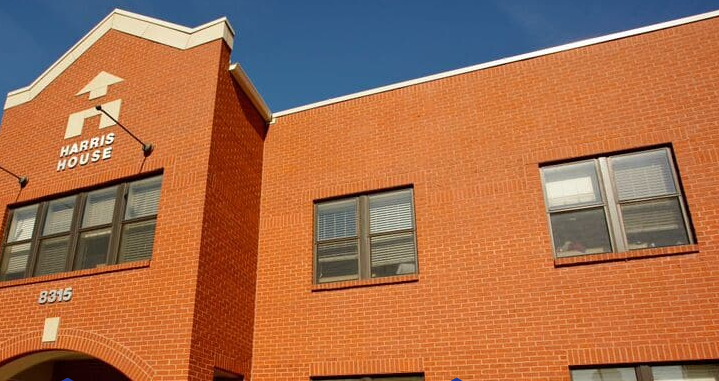
About Harris House Treatment and Recovery Center
Located in a secure, fenced urban area, Harris House Treatment and Recovery Center has been providing drug and alcohol rehabilitation services in St. Louis, Missouri, for over 50 years. They’re staffed with certified counselors who will help you with creating a recovery plan. Detox services are available to help you take the first steps of healing from addiction. If you’re coming from outside of the St. Louis area, airport pick-up can be provided.
Medical Supervision for Your Comfort
The facility knows that some clients can feel anxiety about going through detox. You’ll receive medical supervision throughout the process to make sure you’re comfortable. Some common symptoms that may be experienced while going through withdrawal include anxiety, cravings and nausea. You’ll be provided with medication to manage these symptoms.
The staff will also offer emotional support to reduce your mental distress. The length of your detox will vary based on factors such as your health, the substance you used and the duration of time that you used it. Throughout this process you’ll be able to stay in their state-of-the-art facility in a semi-private room.
Using Nature to Promote Healing
Being around nature can have a calming effect that can be a great way to manage your stress without using substances. One activity you can do is visit the Missouri Botanical Garden. It features 79 acres of gardens along with a Victorian home.
| Levels of Care | Detox Service Setting | Programs | Payment Options | Medications Offered |
|---|---|---|---|---|
|
Inpatient and residential programs provide round-the-clock medical and emotional support as you live at the treatment facility. This level of care may be recommended if you have severe addictions or mental health conditions since it removes outside distractions and allows you to focus solely on therapy. |
In outpatient therapy, you’ll attend therapy sessions several times each week while living at home. This is ideal if you have a strong support system and a lower risk of relapse. Outpatient treatment offers flexibility to maintain work, school or family obligations. |
Partial hospitalization programs provide comprehensive treatment in a structured setting during the day but allow you to return home at night. These programs offer a balance of inpatient and outpatient rehab and provide intensive support without full time residency. |
||
|
Inpatient detox occurs in a dedicated treatment facility. You’ll live there around the clock and receive intensive medical support and supervision to help manage your withdrawal symptoms. It is suitable for individuals with moderate to severe addictions as it ensures a stable detox environment. |
Outpatient detox gives you access to medically supervised withdrawal services while still allowing you to live at home. You’ll attend a clinic for treatment and monitoring. This flexible option is suitable for those with mild to moderate withdrawal symptoms who have strong support systems. |
Medication assisted treatment combines medication and counseling to manage withdrawal and reduce cravings for opioid and alcohol addiction. Medications may include methadone, buprenorphine or naltrexone. MAT is tailored to your needs so you can actively participate in your treatment journey. |
||
|
Women's programs offer a safe and supportive space to focus on gender specific issues such as trauma, family roles and mental health conditions. Therapists tailor the sessions to address women's needs and foster empowerment in a healing and nurturing environment.
|
Men's programs address substance use while also considering the social pressures, family roles and mental health concerns that are specific to men. You’ll learn healthy coping mechanisms as you build emotional resilience and develop communication skills.
|
Adult programs address the substance use and life challenges specific to adults. Therapists can deliver sessions in individual, group and family settings. Services often include job support and life skills training in a structured environment.
|
Young adult programs are designed for individuals who are transitioning into adulthood. Topics of discussion typically include identity, independence and peer relationships. Providers may also offer life skills training and career support.
|
|
|
Self Pay
|
Private Insurance
|
|||
|
Acamprosate
|
Disulfiram
|
Buprenorphine
|
Naltrexone (Vivitrol)
|
Suboxone
|
Levels of Care
Inpatient and residential programs provide round-the-clock medical and emotional support as you live at the treatment facility. This level of care may be recommended if you have severe addictions or mental health conditions since it removes outside distractions and allows you to focus solely on therapy.
In outpatient therapy, you’ll attend therapy sessions several times each week while living at home. This is ideal if you have a strong support system and a lower risk of relapse. Outpatient treatment offers flexibility to maintain work, school or family obligations.
Partial hospitalization programs provide comprehensive treatment in a structured setting during the day but allow you to return home at night. These programs offer a balance of inpatient and outpatient rehab and provide intensive support without full time residency.
Detox Service Setting
Inpatient detox occurs in a dedicated treatment facility. You’ll live there around the clock and receive intensive medical support and supervision to help manage your withdrawal symptoms. It is suitable for individuals with moderate to severe addictions as it ensures a stable detox environment.
Outpatient detox gives you access to medically supervised withdrawal services while still allowing you to live at home. You’ll attend a clinic for treatment and monitoring. This flexible option is suitable for those with mild to moderate withdrawal symptoms who have strong support systems.
Medication assisted treatment combines medication and counseling to manage withdrawal and reduce cravings for opioid and alcohol addiction. Medications may include methadone, buprenorphine or naltrexone. MAT is tailored to your needs so you can actively participate in your treatment journey.
Programs
Medications Offered
Amenities
Accreditations

Contact


- Monday Open 24 hours
- Tuesday Open 24 hours
- Wednesday Open 24 hours
- Thursday Open 24 hours
- Friday Open 24 hours
- Saturday Open 24 hours
- Sunday Open 24 hours

Eric has a passion for content creation, whether it’s writing articles or making YouTube videos. He appreciates the power of storytelling to inform an audience about the information they need to know. In addition to writing, he also spends his time traveling and discovering new restaurants to enjoy a meal.

Kerry Nenn is a full-time freelance writer and prize-winning author. She contributes regularly to addiction-recovery sites, international journal publications, and Christian ministries. Her published works include 10 books and myriad articles. Her work has received recognition both locally and nationally.
Detox.com regularly reviews this listing for accuracy but changes may occur between updates. For the most up-to-date information, please contact Harris House Treatment and Recovery Center.
Nearby Detox Centers



Search by Missouri Cities
FAQs
What detox and withdrawal management programs does Harris House offer?
Harris House Treatment and Recovery Center in Saint Charles, Missouri offers detoxification and withdrawal management services designed to address the acute phase of substance use disorders. The facility provides structured medical supervision and support to help individuals safely manage withdrawal symptoms from alcohol, opioids, and other substances as they begin recovery.
Is medical detox with 24/7 nursing supervision available at Harris House?
Harris House provides medical detoxification with professional clinical oversight. During detox, the medical team monitors vital signs and withdrawal symptoms around the clock to ensure safety and comfort. This level of supervision helps prevent complications and allows for prompt medication adjustment if needed.
How long does detoxification typically last at Harris House Treatment Center?
Detoxification timelines vary based on the substance involved, individual health factors, and severity of dependence. Most acute withdrawal management at Harris House lasts between 3 and 7 days, though some individuals may require extended medical monitoring. The medical team develops a personalized plan during intake assessment.
What happens after detox is complete at Harris House Saint Charles?
After completing detoxification, Harris House helps individuals transition to ongoing recovery support. The facility works with each person to identify appropriate next steps, which may include residential treatment, outpatient programming, or community recovery resources, depending on individual needs and treatment recommendations.
What is the intake and admission process for detox at Harris House?
Intake at Harris House begins with a comprehensive assessment to evaluate medical history, substance use, withdrawal risk, and mental health needs. Based on this evaluation, the clinical team determines the appropriate level of care and creates a personalized detoxification plan tailored to each individual’s specific situation.