800-262-4205
Lakeland Behavioral Health

About Lakeland Behavioral Health
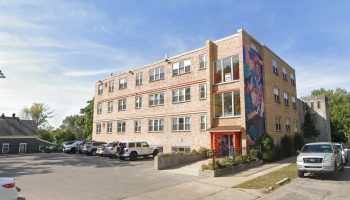
Lakeland Behavioral Health System is a psychiatric hospital and treatment center in Springfield, Missouri, offering inpatient, residential and outpatient services for mental health and behavioral health concerns. The facility serves children, adolescents, adults and senior adults through age and gender specific programsat two locations in Springfield.
Clients and families appreciate the comprehensive care, supportive staff and specialized tracks tailored to each person’s needs.
What kinds of programs does Lakeland Behavioral Health System offer?
Lakeland provides inpatient psychiatric programs for adults experiencing acute mental health crises, residential treatment for children and adolescents at their Grand Street campus and intensive outpatient programming (IOP) for teens. The center also offers specialized residential tracks for military families and gender specific units for youth ages 4 through 17.
Who can get help here?
The facility serves children (ages 4 and up), adolescents, adults and senior adults. Specialized residential units include coed groups for younger children, gender specific units for teens and dedicated military-focused programsfor youth ages 9 through 17.
What does treatment include?
Treatment combines individual therapy, group counseling and medication management with experiential and expressive therapies such as music, art, cinema and play therapy. Optional pet therapy, life skills training, family education and an on-campus school support healing and daily structure.
Location and Amenities
The residential campus is at 2323 W Grand Street in Springfield, Missouri. The campus features a pool, outdoor playground, indoor basketball court, gym, classrooms and recreation areas.
Insurance and Private Pay
Lakeland accepts most commercial insurance plans, Medicaid, TRICARE and private pay. The center contracts with over 95 percent of insurance companies, including Aetna, Anthem, Cigna and UnitedHealthcare.
| Levels of Care | Detox Service Setting | Programs | Payment Options | |||
|---|---|---|---|---|---|---|
|
Inpatient
|
Outpatient
|
Dual Diagnosis
|
Partial hospitalization programs provide comprehensive treatment in a structured setting during the day but allow you to return home at night. These programs offer a balance of inpatient and outpatient rehab and provide intensive support without full-time residency. |
Aftercare programs provide ongoing support once you complete a rehab program. They may include several components to help you maintain sobriety, including therapy, community support groups, and relapse-prevention strategies. This gives you a network of resources as you reintegrate into your daily life. |
Sober Living
|
An intervention is a guided and structured conversation with an individual who is struggling with addiction. During the conversation, family and friends encourage the individual to seek treatment. This is often a pivotal step for those resistant to getting help. |
|
Inpatient detox occurs in a dedicated treatment facility. You’ll live there around the clock and receive intensive medical support and supervision to help manage your withdrawal symptoms. It is suitable for individuals with moderate to severe addictions as it ensures a stable detox environment. |
Outpatient detox gives you access to medically supervised withdrawal services while still allowing you to live at home. You’ll attend a clinic for treatment and monitoring. This flexible option is suitable for those with mild to moderate withdrawal symptoms who have strong support systems. |
Medication-assisted treatment combines medication and counseling to manage withdrawal and reduce cravings for opioid and alcohol addiction. Medications may include methadone, buprenorphine, or naltrexone. MAT is tailored to your needs so you can actively participate in your treatment journey. |
||||
|
Adult programs address the substance use and life challenges specific to adults. Therapists can deliver sessions in individual, group, and family settings. Services often include job support and life-skills training.
|
Cognitive behavioral therapy focuses on changing harmful thought patterns and behaviors associated with addiction. You’ll learn healthier coping mechanisms by identifying and replacing negative thoughts. This improves your emotional resilience and decreases your relapse potential.
|
Military / Veterans
|
||||
|
Medicaid
|
Medicare
|
Military Insurance
|
Private Insurance
|
Self Pay
|
Levels of Care
Partial hospitalization programs provide comprehensive treatment in a structured setting during the day but allow you to return home at night. These programs offer a balance of inpatient and outpatient rehab and provide intensive support without full-time residency.
Aftercare programs provide ongoing support once you complete a rehab program. They may include several components to help you maintain sobriety, including therapy, community support groups, and relapse-prevention strategies. This gives you a network of resources as you reintegrate into your daily life.
An intervention is a guided and structured conversation with an individual who is struggling with addiction. During the conversation, family and friends encourage the individual to seek treatment. This is often a pivotal step for those resistant to getting help.
Detox Service Setting
Inpatient detox occurs in a dedicated treatment facility. You’ll live there around the clock and receive intensive medical support and supervision to help manage your withdrawal symptoms. It is suitable for individuals with moderate to severe addictions as it ensures a stable detox environment.
Outpatient detox gives you access to medically supervised withdrawal services while still allowing you to live at home. You’ll attend a clinic for treatment and monitoring. This flexible option is suitable for those with mild to moderate withdrawal symptoms who have strong support systems.
Medication-assisted treatment combines medication and counseling to manage withdrawal and reduce cravings for opioid and alcohol addiction. Medications may include methadone, buprenorphine, or naltrexone. MAT is tailored to your needs so you can actively participate in your treatment journey.
Programs
Amenities
Accreditations

Accepted Insurance


Contact


- Sunday Open 24 hours
- Monday Open 24 hours
- Tuesday Open 24 hours
- Wednesday Open 24 hours
- Thursday Open 24 hours
- Friday Open 24 hours
- Saturday Open 24 hours

Maygen Brockway, MTC, lives in scenic Southern Utah and has over 10 years of editing and writing experience. She’s created content for the medical, wedding, fashion, and technical industries. She loves poetry and coffee, writing, and being a social butterfly and a mom.
Detox.com regularly reviews this listing for accuracy but changes may occur between updates. For the most up-to-date information, please contact Lakeland Behavioral Health.