

 800-262-4205
Life Healing Center




About Life Healing Center
Life Healing Center was an addiction treatment center in Santa Fe, New Mexico, that historically provided residential drug and alcohol rehab and mental health care for adults with substance use, trauma and co-occurring disorders.
Previously located in the foothills of the Sangre de Cristo area, the program offered a continuum that included medically monitored detox, residential treatment and outpatient services.
This facility is closed, and the following details reflect its historical, trauma informed and holistic approach.
Closed: Life Healing Center
Care historically began with psychiatric and medical evaluations, and clients could enter medically monitored detox with 24/7 nursing and access to a psychiatric medical team.
From there, individuals transitioned into residential treatment, partial hospitalization, intensive outpatient and aftercare.
When the facility was open, programs were notably intensive, including three weekly individual therapy sessions and roughly 50 therapeutic hours per week.
Clinical approaches blended CBT, DBT, ACT, EMDR and family therapy with experiential and holistic modalities such as equine therapy, somatic experiencing, yoga and sound therapy.
Quick Facts About Life Healing Center
- Location: Closed
- Levels of care were: Detox, residential, PHP, IOP, outpatient and aftercare
- Who they treated: Adults, veterans, LGBTQ clients and those with trauma and co-occurring conditions
- Approaches were: Trauma informed, evidence based, experiential and holistic
- Payment options were: Historically accepted BlueCross BlueShield, Aetna, Magellan, private insurance and self-pay
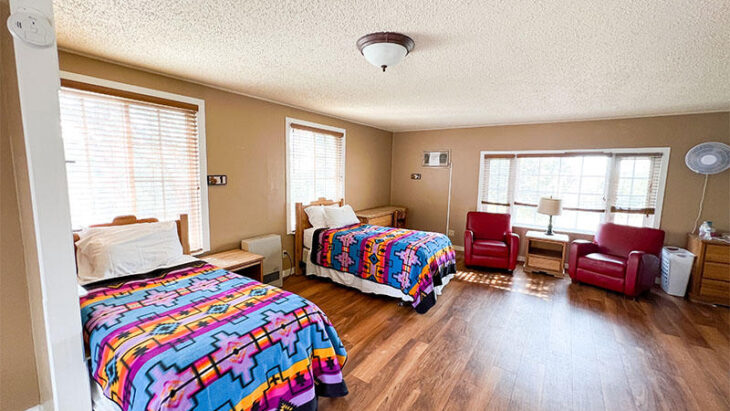
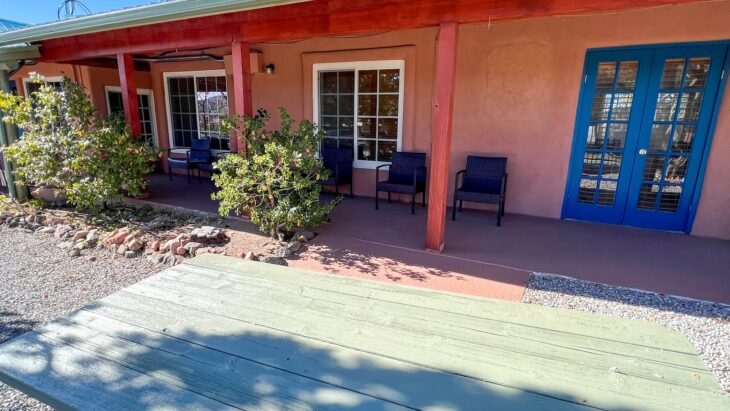
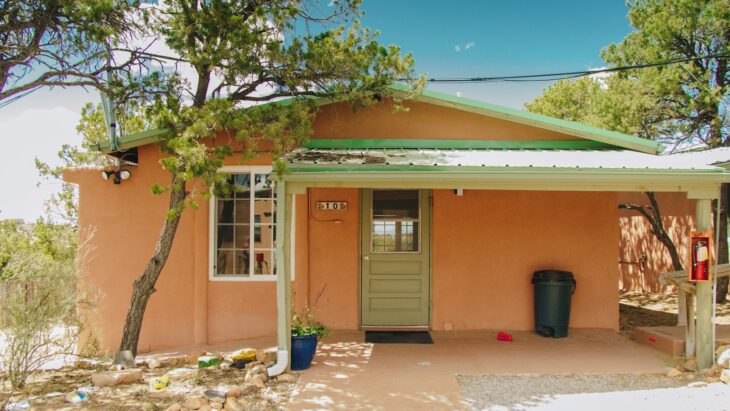
- Amenities were: Rustic casitas, horses, walking trails, a library and chef-prepared dining
| Levels of Care | Detox Service Setting | Programs | Payment Options | ||||
|---|---|---|---|---|---|---|---|
|
Inpatient and residential programs provide round-the-clock medical and emotional support as you live at the treatment facility. This level of care may be recommended if you have severe addictions or mental health conditions since it removes outside distractions and allows you to focus solely on therapy. |
Partial hospitalization programs provide comprehensive treatment in a structured setting during the day but allow you to return home at night. These programs offer a balance of inpatient and outpatient rehab and provide intensive support without full time residency. |
Dual diagnosis programs address substance use disorders and co-occurring mental health conditions simultaneously. This integrated approach to care improves the likelihood of long term recovery and stability by addressing the root causes of addiction. |
|||||
|
Inpatient detox occurs in a dedicated treatment facility. You’ll live there around the clock and receive intensive medical support and supervision to help manage your withdrawal symptoms. It is suitable for individuals with moderate to severe addictions as it ensures a stable detox environment. |
Outpatient detox gives you access to medically supervised withdrawal services while still allowing you to live at home. You’ll attend a clinic for treatment and monitoring. This flexible option is suitable for those with mild to moderate withdrawal symptoms who have strong support systems. |
Medication assisted treatment combines medication and counseling to manage withdrawal and reduce cravings for opioid and alcohol addiction. Medications may include methadone, buprenorphine or naltrexone. MAT is tailored to your needs so you can actively participate in your treatment journey. |
|||||
|
Adult programs address the substance use and life challenges specific to adults. Therapists can deliver sessions in individual, group and family settings. Services often include job support and life skills training in a structured environment.
|
Animal therapy uses interactions with animals such as dogs or horses as part of treatment. You’ll learn to develop trust, lower your anxiety levels and regulate your emotions. This provides comfort and a sense of companionship during the recovery journey.
|
Cognitive behavioral therapy focuses on changing harmful thought patterns and behaviors associated with addiction. You’ll learn healthier coping mechanisms by identifying and replacing negative thoughts. This improves your emotional resilience and decreases your relapse potential.
|
EMDR stands for eye movement desensitization and reprocessing therapy. It helps you process traumatic memories that may underlie addiction. You’ll learn how to reduce emotional distress and begin healing from past events. This makes it effective for trauma related addiction causes.
|
LGBTQ friendly programs create an inclusive and affirming space for recovery. Treatment is sensitive to issues like discrimination and stigma. You’ll receive support and therapy that respects and acknowledges your unique experiences.
|
Men's programs address substance use while also considering the social pressures, family roles and mental health concerns that are specific to men. You’ll learn healthy coping mechanisms as you build emotional resilience and develop communication skills.
|
Women's programs offer a safe and supportive space to focus on gender specific issues such as trauma, family roles and mental health conditions. Therapists tailor the sessions to address women's needs and foster empowerment in a healing and nurturing environment.
|
Young adult programs are designed for individuals who are transitioning into adulthood. Topics of discussion typically include identity, independence and peer relationships. Providers may also offer life skills training and career support.
|
|
Private Insurance
|
Self Pay
|
Levels of Care
Inpatient and residential programs provide round-the-clock medical and emotional support as you live at the treatment facility. This level of care may be recommended if you have severe addictions or mental health conditions since it removes outside distractions and allows you to focus solely on therapy.
Partial hospitalization programs provide comprehensive treatment in a structured setting during the day but allow you to return home at night. These programs offer a balance of inpatient and outpatient rehab and provide intensive support without full time residency.
Dual diagnosis programs address substance use disorders and co-occurring mental health conditions simultaneously. This integrated approach to care improves the likelihood of long term recovery and stability by addressing the root causes of addiction.
Detox Service Setting
Inpatient detox occurs in a dedicated treatment facility. You’ll live there around the clock and receive intensive medical support and supervision to help manage your withdrawal symptoms. It is suitable for individuals with moderate to severe addictions as it ensures a stable detox environment.
Outpatient detox gives you access to medically supervised withdrawal services while still allowing you to live at home. You’ll attend a clinic for treatment and monitoring. This flexible option is suitable for those with mild to moderate withdrawal symptoms who have strong support systems.
Medication assisted treatment combines medication and counseling to manage withdrawal and reduce cravings for opioid and alcohol addiction. Medications may include methadone, buprenorphine or naltrexone. MAT is tailored to your needs so you can actively participate in your treatment journey.
Programs
Amenities
Accreditations


Accepted Insurance





Contact



Maygen Brockway, MTC, lives in scenic Southern Utah and has over 10 years of editing and writing experience. She’s created content for the medical, wedding, fashion, and technical industries. She loves poetry and coffee, writing, and being a social butterfly and a mom.
Detox.com regularly reviews this listing for accuracy but changes may occur between updates. For the most up-to-date information, please contact Life Healing Center.
Nearby Detox Centers
Search by New Mexico Cities
FAQs
What types of therapy does Life Healing Center offer for substance abuse?
Life Healing Center in Santa Fe provides individual, group, and family therapy alongside holistic approaches including yoga, meditation, and experiential therapies such as equine-assisted work. The facility integrates trauma-informed care into treatment to address underlying mental health issues alongside addiction.
Does Life Healing Center treat dual diagnosis or co-occurring disorders?
Yes, Life Healing Center specializes in dual diagnosis treatment for individuals with both substance use disorders and mental health conditions such as depression, anxiety, and trauma. The facility’s treatment model addresses both addiction and underlying mental health concerns simultaneously.
What residential treatment programs does Life Healing Center offer in Santa Fe?
Life Healing Center offers inpatient residential treatment for adults 18 and older, including separate programs for men and women. The facility provides individualized treatment plans using cognitive behavioral therapy, EMDR therapy, animal therapy, and trauma-focused care in a private mountain setting.
What substances does Life Healing Center provide addiction treatment for?
Life Healing Center treats alcohol and drug addiction as part of its comprehensive residential treatment program. The facility addresses substance abuse within the context of co-occurring mental health conditions using an individualized, holistic healing approach.
How does Life Healing Center incorporate holistic and experiential therapies?
Life Healing Center integrates experiential modalities including equine-assisted therapy, yoga, meditation, and nature-based activities into residential treatment. These complementary therapies work alongside traditional clinical treatment to support healing of mind, body, and underlying trauma.