

 800-262-4205
LifeHouse Villa De Esperanza

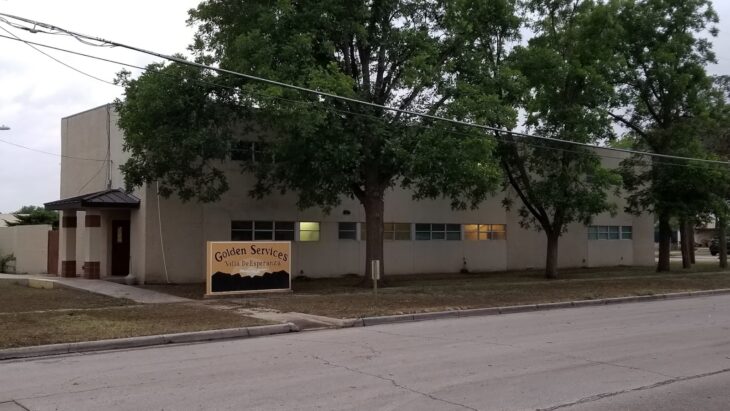
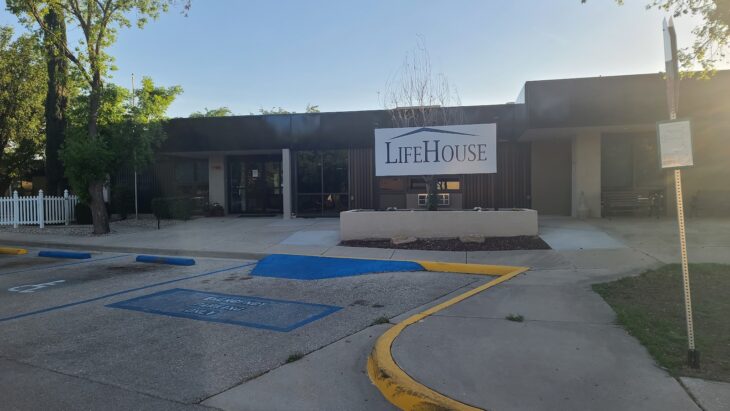
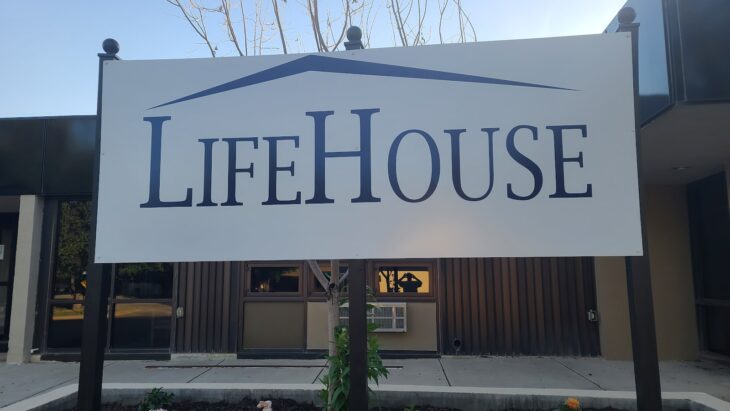
About LifeHouse Villa De Esperanza
You’ll find LifeHouse Villa De Esperanza in Carlsbad, New Mexico, near the Pecos River. This community based treatment center provides substance abuse and mental health care for adults and families. You can access inpatient medical detox as well as residential treatment and various outpatient programs.
They strive to provide easily accessible care, accepting most commercial insurances and Medicaid. Still, you can get the help you need even if you don’t have insurance. State funding or a discounted sliding fee scale is available based on eligibility.
Their detox program provides a comfortable space with ongoing monitoring and supervision to start recovery. Along with overcoming the physical effects of quitting substances, you’ll benefit from nature walks, recreational activities, nourishing meals, and daily peer support groups.
Criminal Justice Peer Support
What strikes me most is their services for people in the criminal justice system. They partner with Eddy County to offer peer support classes. You’ll benefit from assistance with transitioning to daily life.
Family Empowerment Project
I also think their Family Empowerment Project looks wonderful. Your loved ones can benefit from resources, education, and support to play a role in your recovery journey. Every Wednesday night these groups focus on setting healthy boundaries, learning effective communication, offering support, and more.
Specialized Program for Mothers
Another great feature I noticed was their residential program for mothers with young children. They provide this track so you can maintain custody of your child while getting the help you need. Your kids can enjoy a full playroom and playground, as well as a daycare program.
| Levels of Care | Detox Service Setting | Programs | Payment Options | |
|---|---|---|---|---|
|
Inpatient and residential programs provide round-the-clock medical and emotional support as you live at the treatment facility. This level of care may be recommended if you have severe addictions or mental health conditions since it removes outside distractions and allows you to focus solely on therapy. |
In outpatient therapy, you’ll attend therapy sessions several times each week while living at home. This is ideal if you have a strong support system and a lower risk of relapse. Outpatient treatment offers flexibility to maintain work, school or family obligations. |
Aftercare programs provide ongoing support after you complete a rehab program. They may include several components to help you maintain sobriety including therapy, community support groups and relapse prevention strategies. This gives you a network of resources as you reintegrate into your daily life. |
||
|
Inpatient detox occurs in a dedicated treatment facility. You’ll live there around the clock and receive intensive medical support and supervision to help manage your withdrawal symptoms. It is suitable for individuals with moderate to severe addictions as it ensures a stable detox environment. |
Outpatient detox gives you access to medically supervised withdrawal services while still allowing you to live at home. You’ll attend a clinic for treatment and monitoring. This flexible option is suitable for those with mild to moderate withdrawal symptoms who have strong support systems. |
|||
|
Alcohol detox programs offer medical support to help individuals withdraw safely from alcohol. Your care team may use medications to ease your symptoms and provide medical monitoring to address complications.
|
Drug detox programs support individuals who are withdrawing from addictive substances like cocaine and heroin. Medical support helps you manage symptoms in a controlled and safe environment so you can achieve initial sobriety.
|
Adult programs address the substance use and life challenges specific to adults. Therapists can deliver sessions in individual, group and family settings. Services often include job support and life skills training in a structured environment. |
Women’s programs offer a safe and supportive space to focus on gender specific issues such as trauma, family roles and mental health conditions. Therapists tailor the sessions to address women’s needs and foster empowerment in a healing and nurturing environment. |
Men’s programs address substance use while also considering the social pressures, family roles and mental health concerns that are specific to men. You’ll learn healthy coping mechanisms as you build emotional resilience and develop communication skills. |
|
Private Insurance
|
Self Pay
|
Levels of Care
Inpatient and residential programs provide round-the-clock medical and emotional support as you live at the treatment facility. This level of care may be recommended if you have severe addictions or mental health conditions since it removes outside distractions and allows you to focus solely on therapy.
In outpatient therapy, you’ll attend therapy sessions several times each week while living at home. This is ideal if you have a strong support system and a lower risk of relapse. Outpatient treatment offers flexibility to maintain work, school or family obligations.
Aftercare programs provide ongoing support after you complete a rehab program. They may include several components to help you maintain sobriety including therapy, community support groups and relapse prevention strategies. This gives you a network of resources as you reintegrate into your daily life.
Detox Service Setting
Inpatient detox occurs in a dedicated treatment facility. You’ll live there around the clock and receive intensive medical support and supervision to help manage your withdrawal symptoms. It is suitable for individuals with moderate to severe addictions as it ensures a stable detox environment.
Outpatient detox gives you access to medically supervised withdrawal services while still allowing you to live at home. You’ll attend a clinic for treatment and monitoring. This flexible option is suitable for those with mild to moderate withdrawal symptoms who have strong support systems.
Programs
Adult programs address the substance use and life challenges specific to adults. Therapists can deliver sessions in individual, group and family settings. Services often include job support and life skills training in a structured environment.
Women’s programs offer a safe and supportive space to focus on gender specific issues such as trauma, family roles and mental health conditions. Therapists tailor the sessions to address women’s needs and foster empowerment in a healing and nurturing environment.
Men’s programs address substance use while also considering the social pressures, family roles and mental health concerns that are specific to men. You’ll learn healthy coping mechanisms as you build emotional resilience and develop communication skills.
Amenities
Accreditations

Contact


- Monday 9AM - 5PM
- Tuesday 9AM - 5PM
- Wednesday 9AM - 5PM
- Thursday 9AM - 5PM
- Friday 9AM - 5PM

Mariah Bourne earned a Master of Arts in Community Social Psychology from the University of Massachusetts Lowell. She has worked as a research associate on addiction and treatment studies, including opioid craving interventions. Today, she is a freelance writer. She’s passionate about sharing knowledge and resources to help others start their recovery journey.

Courtney Myers writes and edits professionally from her home in North Carolina. She holds an MS in Technical Communication from N.C. State University and has worked in proposal management, marketing, and online content creation. She specializes in creating resources related to behavioral health and addiction recovery.
Detox.com regularly reviews this listing for accuracy but changes may occur between updates. For the most up-to-date information, please contact LifeHouse Villa De Esperanza.
Nearby Detox Centers

Albuquerque, NM 87106

Rio Rancho, NM 87124
Search by New Mexico Cities
FAQs
What substances does LifeHouse Villa De Esperanza treat in Carlsbad?
LifeHouse Villa De Esperanza is a residential substance abuse treatment facility in Carlsbad, New Mexico that treats alcohol and drug addiction. The facility provides a safe, structured environment for adults recovering from substance use disorders through counseling, group therapy, and relapse prevention programming.
Does LifeHouse Villa De Esperanza offer residential treatment or outpatient care?
LifeHouse Villa De Esperanza offers both residential and outpatient treatment. The main residential facility is located at 1900 Westridge Road in Carlsbad, while outpatient therapy services are available at a separate building at 2324 W. Pierce Street, allowing individuals to receive continued support while living at home.
What counseling and therapy services are included in the program?
The facility’s program includes individual counseling sessions, group counseling, and 12-step facilitation. Residents also receive training in relapse prevention and life skills throughout the program, with family counseling and aftercare planning available to support long-term recovery.
What populations does LifeHouse Villa De Esperanza serve?
LifeHouse Villa De Esperanza provides residential treatment for adults age 18 and older who are struggling with substance use disorders. The facility serves both men and women and offers a structured recovery environment emphasizing personal growth, community reintegration, and long-term sobriety.
Is LifeHouse Villa De Esperanza accredited, and what levels of care are available?
The facility is accredited by CARF International. LifeHouse Villa De Esperanza offers inpatient residential treatment, outpatient therapy, and aftercare services. This range of levels of care allows individuals to transition from residential programming to ongoing outpatient support based on their recovery needs.