800-262-4205
People Encouraging People

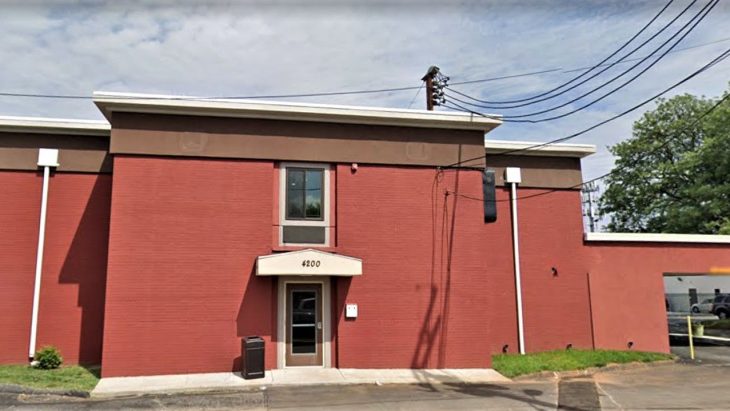
About People Encouraging People
People Encouraging People is a nonprofit addiction treatment center in Baltimore, Maryland offering intensive outpatient, outpatient and residential programs. The organization provides comprehensive behavioral health services for adults, teens, and families that address substance use disorders, mental health conditions and co-occurring challenges.
Clients commend the center for its wraparound support that goes beyond clinical care to include housing assistance, vocational services and meeting basic needs. The facility is also wheelchair accessible and accessible using public transportation.
What programs are available?
People Encouraging People offers intensive outpatient and standard outpatient programs for substance use disorders as well as residential treatment. Services include individual and group, family and couples counseling, plus medication assisted treatment with buprenorphine and naltrexone.
The MISA Program serves adults with co-occurring mental illness and substance use disorders using a twelve step, abstinence based approach that focuses on community integration and relapse prevention.
Who can find help?
The center serves adults, young adults and adolescents with substance use disorders, mental health conditions or both. People Encouraging People also provides specialized programming for transitional age youth aging out of foster care, individuals who are deaf or hard of hearing, people with forensic or criminal justice backgrounds, elderly persons, new Americans and those experiencing homelessness.
People Encouraging People accepts Medicaid, Medicare and private insurance, cash and self pay. The organization is Joint Commission accredited and SAMHSA registered.
Support beyond treatment
People Encouraging People in Baltimore combines evidence based treatment with housing and employment, food assistance and other supportive services that address the real life challenges of recovery.
If you or someone you love is ready to explore comprehensive care that treats the whole person, reaching out is the first step.
| Levels of Care | Detox Service Setting | Programs | Payment Options | |||
|---|---|---|---|---|---|---|
|
In outpatient therapy, you’ll attend therapy sessions several times each week while living at home. This is ideal if you have a strong support system and a lower risk of relapse. Outpatient treatment offers flexibility to maintain work, school or family obligations. |
Aftercare programs provide ongoing support after you complete a rehab program. They may include several components to help you maintain sobriety including therapy, community support groups and relapse prevention strategies. This gives you a network of resources as you reintegrate into your daily life. |
Dual diagnosis programs address substance use disorders and co-occurring mental health conditions simultaneously. This integrated approach to care improves the likelihood of long term recovery and stability by addressing the root causes of addiction. |
||||
|
Outpatient detox gives you access to medically supervised withdrawal services while still allowing you to live at home. You’ll attend a clinic for treatment and monitoring. This flexible option is suitable for those with mild to moderate withdrawal symptoms who have strong support systems. |
||||||
|
Adult programs address the substance use and life challenges specific to adults. Therapists can deliver sessions in individual, group and family settings. Services often include job support and life skills training in a structured environment.
|
Alcohol detox programs offer medical support to help individuals withdraw safely from alcohol. Your care team may use medications to ease your symptoms and provide medical monitoring to address complications.
|
Cognitive behavioral therapy focuses on changing harmful thought patterns and behaviors associated with addiction. You’ll learn healthier coping mechanisms by identifying and replacing negative thoughts. This improves your emotional resilience and decreases your relapse potential.
|
Men's programs address substance use while also considering the social pressures, family roles and mental health concerns that are specific to men. You’ll learn healthy coping mechanisms as you build emotional resilience and develop communication skills.
|
Opioid detox uses medications to ease severe withdrawal symptoms. It also includes medical supervision to help you manage potential complications. These services allow you to stabilize and begin a recovery plan.
|
Women's programs offer a safe and supportive space to focus on gender specific issues such as trauma, family roles and mental health conditions. Therapists tailor the sessions to address women's needs and foster empowerment in a healing and nurturing environment.
|
Young adult programs are designed for individuals who are transitioning into adulthood. Topics of discussion typically include identity, independence and peer relationships. Providers may also offer life skills training and career support.
|
|
Payment Assistance
|
Medicaid
|
Medicare
|
Private Insurance
|
Self Pay
|
Levels of Care
In outpatient therapy, you’ll attend therapy sessions several times each week while living at home. This is ideal if you have a strong support system and a lower risk of relapse. Outpatient treatment offers flexibility to maintain work, school or family obligations.
Aftercare programs provide ongoing support after you complete a rehab program. They may include several components to help you maintain sobriety including therapy, community support groups and relapse prevention strategies. This gives you a network of resources as you reintegrate into your daily life.
Dual diagnosis programs address substance use disorders and co-occurring mental health conditions simultaneously. This integrated approach to care improves the likelihood of long term recovery and stability by addressing the root causes of addiction.
Detox Service Setting
Outpatient detox gives you access to medically supervised withdrawal services while still allowing you to live at home. You’ll attend a clinic for treatment and monitoring. This flexible option is suitable for those with mild to moderate withdrawal symptoms who have strong support systems.
Programs
Accreditations


Contact


Natalie is a recent Purdue University graduate where she studied Psychology and Creative Writing. She’s a fierce advocate for others and is committed to always showing up with a compassionate heart. She enjoys writing poetry, dancing, and playing piano in her free time.
Detox.com regularly reviews this listing for accuracy but changes may occur between updates. For the most up-to-date information, please contact People Encouraging People.
Nearby Detox Centers
Rockville, MD 20850