

 800-262-4205
Primary Health Care Medical & Dental – Ames
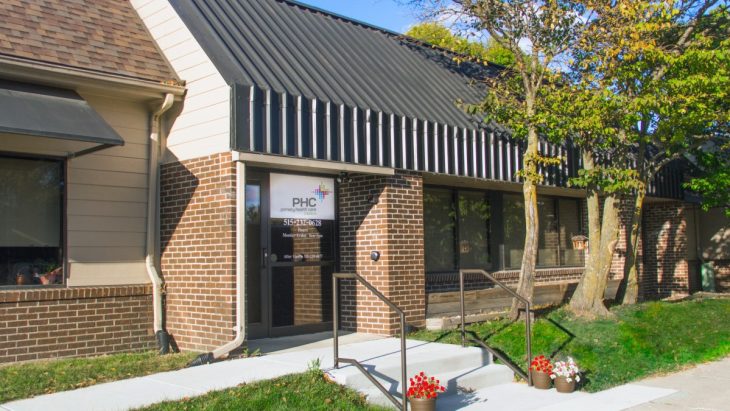
About Primary Health Care Medical & Dental – Ames
PHC Ames Medical & Dental Clinic in Ames, Iowa, is just one of several locations under Primary Health Care (PHC), which was founded way back in 1981. This facility provides healthcare and supportive services to clients of all ages, including mental health and addiction treatment. Most insurance plans are accepted, including Medicaid. A sliding scale fee discount schedule is also available to those who need it.
Behavioral Health Support Services in Story County
Individuals and families alike can access compassionate and judgment-free support for mental health and substance abuse. Using an integrated approach, the team treats clients holistically, ensuring your physical and mental health are addressed in tandem. Care is personalized and designed to meet your unique needs and preferences.
Behavioral health consultants and therapists collaborate closely with primary care staff to provide you with real-time assessments and interventions for various mental health conditions. For substance abuse issues, you’ll be offered evaluations and connected with appropriate resources and support, including any needed medication assisted treatment (MAT).
After an initial consultation, the team will develop your individualized care plan that features a unique combination of support services designed to support you.
MAT for Substance Abuse in Central Iowa
MAT here combines FDA-approved medicines with behavioral therapies and counseling for a rounded and supportive care approach. Meds used are chosen for their ability to alleviate any persistent cravings you might be experiencing, along with those more uncomfortable withdrawal symptoms.
Part of the center’s personalized care approach is that you can expect any concurrent mental and behavioral health conditions to be addressed alongside your addiction. You’ll receive plenty of addiction education throughout the process to empower you, while the team will regularly monitor your wellbeing and progress for safety and security.
Monitoring also ensures that staff can take an agile approach and easily adjust treatment or dosages as needed. You can conveniently pick up your medications at this facility, while also benefiting from case management services as well as transport and translation help where necessary.
| Levels of Care | Detox Service Setting | Programs | Payment Options | ||||
|---|---|---|---|---|---|---|---|
|
Inpatient and residential programs provide round-the-clock medical and emotional support as you live at the treatment facility. This level of care may be recommended if you have severe addictions or mental health conditions since it removes outside distractions and allows you to focus solely on therapy. |
In outpatient therapy, you’ll attend therapy sessions several times each week while living at home. This is ideal if you have a strong support system and a lower risk of relapse. Outpatient treatment offers flexibility to maintain work, school or family obligations. |
Aftercare programs provide ongoing support after you complete a rehab program. They may include several components to help you maintain sobriety including therapy, community support groups and relapse prevention strategies. This gives you a network of resources as you reintegrate into your daily life. |
Dual diagnosis programs address substance use disorders and co-occurring mental health conditions simultaneously. This integrated approach to care improves the likelihood of long term recovery and stability by addressing the root causes of addiction. |
An intervention is a structured and professionally guided conversation with an individual who is struggling with addiction. During the conversation, family and friends will encourage you to seek treatment. This is often a pivotal step for those resistant to getting help. |
Sober living homes provide a supportive and substance free environment for you to live in as you overcome your addiction. Residents must follow house rules and support each other's recovery journeys. Sober living fosters accountability and stability during this critical phase of recovery. |
||
|
Inpatient detox occurs in a dedicated treatment facility. You’ll live there around the clock and receive intensive medical support and supervision to help manage your withdrawal symptoms. It is suitable for individuals with moderate to severe addictions as it ensures a stable detox environment. |
Outpatient detox gives you access to medically supervised withdrawal services while still allowing you to live at home. You’ll attend a clinic for treatment and monitoring. This flexible option is suitable for those with mild to moderate withdrawal symptoms who have strong support systems. |
Medication assisted treatment combines medication and counseling to manage withdrawal and reduce cravings for opioid and alcohol addiction. Medications may include methadone, buprenorphine or naltrexone. MAT is tailored to your needs so you can actively participate in your treatment journey. |
|||||
|
Adult programs address the substance use and life challenges specific to adults. Therapists can deliver sessions in individual, group and family settings. Services often include job support and life skills training in a structured environment. |
Alcohol detox programs offer medical support to help individuals withdraw safely from alcohol. Your care team may use medications to ease your symptoms and provide medical monitoring to address complications. |
Men's programs address substance use while also considering the social pressures, family roles and mental health concerns that are specific to men. You’ll learn healthy coping mechanisms as you build emotional resilience and develop communication skills. |
Military and veteran programs offer specialized support for clients who served in the armed services. Programs focus on reintegration and healing within a structured and supportive environment that acknowledges the unique struggles of military life. |
Opioid detox uses medications to ease severe withdrawal symptoms. It also includes medical supervision to help you manage potential complications. These services allow you to stabilize and begin a recovery plan. |
Women's programs offer a safe and supportive space to focus on gender specific issues such as trauma, family roles and mental health conditions. Therapists tailor the sessions to address women's needs and foster empowerment in a healing and nurturing environment. |
Young adult programs are designed for individuals who are transitioning into adulthood. Topics of discussion typically include identity, independence and peer relationships. Providers may also offer life skills training and career support. |
Teen (13 - 18)
|
|
EAP
|
Payment Assistance
|
Medicaid
|
Private Insurance
|
Self Pay
|
Medicare
|
Sliding Scale Payment
|
Levels of Care
Inpatient and residential programs provide round-the-clock medical and emotional support as you live at the treatment facility. This level of care may be recommended if you have severe addictions or mental health conditions since it removes outside distractions and allows you to focus solely on therapy.
In outpatient therapy, you’ll attend therapy sessions several times each week while living at home. This is ideal if you have a strong support system and a lower risk of relapse. Outpatient treatment offers flexibility to maintain work, school or family obligations.
Aftercare programs provide ongoing support after you complete a rehab program. They may include several components to help you maintain sobriety including therapy, community support groups and relapse prevention strategies. This gives you a network of resources as you reintegrate into your daily life.
Dual diagnosis programs address substance use disorders and co-occurring mental health conditions simultaneously. This integrated approach to care improves the likelihood of long term recovery and stability by addressing the root causes of addiction.
An intervention is a structured and professionally guided conversation with an individual who is struggling with addiction. During the conversation, family and friends will encourage you to seek treatment. This is often a pivotal step for those resistant to getting help.
Sober living homes provide a supportive and substance free environment for you to live in as you overcome your addiction. Residents must follow house rules and support each other's recovery journeys. Sober living fosters accountability and stability during this critical phase of recovery.
Detox Service Setting
Inpatient detox occurs in a dedicated treatment facility. You’ll live there around the clock and receive intensive medical support and supervision to help manage your withdrawal symptoms. It is suitable for individuals with moderate to severe addictions as it ensures a stable detox environment.
Outpatient detox gives you access to medically supervised withdrawal services while still allowing you to live at home. You’ll attend a clinic for treatment and monitoring. This flexible option is suitable for those with mild to moderate withdrawal symptoms who have strong support systems.
Medication assisted treatment combines medication and counseling to manage withdrawal and reduce cravings for opioid and alcohol addiction. Medications may include methadone, buprenorphine or naltrexone. MAT is tailored to your needs so you can actively participate in your treatment journey.
Programs
Adult programs address the substance use and life challenges specific to adults. Therapists can deliver sessions in individual, group and family settings. Services often include job support and life skills training in a structured environment.
Alcohol detox programs offer medical support to help individuals withdraw safely from alcohol. Your care team may use medications to ease your symptoms and provide medical monitoring to address complications.
Men's programs address substance use while also considering the social pressures, family roles and mental health concerns that are specific to men. You’ll learn healthy coping mechanisms as you build emotional resilience and develop communication skills.
Military and veteran programs offer specialized support for clients who served in the armed services. Programs focus on reintegration and healing within a structured and supportive environment that acknowledges the unique struggles of military life.
Opioid detox uses medications to ease severe withdrawal symptoms. It also includes medical supervision to help you manage potential complications. These services allow you to stabilize and begin a recovery plan.
Women's programs offer a safe and supportive space to focus on gender specific issues such as trauma, family roles and mental health conditions. Therapists tailor the sessions to address women's needs and foster empowerment in a healing and nurturing environment.
Young adult programs are designed for individuals who are transitioning into adulthood. Topics of discussion typically include identity, independence and peer relationships. Providers may also offer life skills training and career support.
Amenities
Accreditations

Contact


- Monday 8AM - 5PM
- Tuesday 8AM - 5PM
- Wednesday 8AM - 5PM
- Thursday 8AM - 5PM
- Friday 8AM - 5PM

Lauren wears many hats, and works as a holistic deep tissue massage therapist, content strategist, and copywriter. She’s been writing copy and dreaming up content for a number of brands for almost 10 years, having worked with a mixture of B2B and B2C brand. Some of her more notable clients include adidas, Gucci, Pepsi, and Hotels.com. A skilled editor and copywriter, she also enjoys planning content for social media and brand marketing campaigns.

Peter W.Y. Lee is a historian with a focus in American Cold War culture. He has examined how popular culture has served as a coping mechanism for the challenges and changes impacting American society throughout the twentieth century.
Nearby Detox Centers



Search by Iowa Cities
FAQs
What medications are used for opioid detox at Primary Health Care Medical & Dental in Ames?
Primary Health Care offers Medication-Assisted Treatment (MAT) for opioid use disorder using FDA-approved medications including buprenorphine/naloxone (Suboxone) and naltrexone (Vivitrol). These medications reduce cravings and withdrawal symptoms as part of a comprehensive treatment plan that combines medication with counseling and behavioral therapies.
How does Primary Health Care integrate medical care with opioid addiction treatment?
Primary Health Care uses a whole-person approach where medical, dental, and behavioral health providers work together. Patients receive medication management, mental health counseling, substance use counseling, and care coordination in one integrated setting at the Ames clinic, ensuring comprehensive support during opioid addiction treatment.
What age groups can access opioid treatment at Primary Health Care Ames?
Primary Health Care serves patients ages 13 and older, including teens (13-18) and adults (18+). The facility provides pediatric care for those under 18 and adult medicine for those 18 and up, with opioid addiction treatment available through its MAT program for qualifying patients.
Does Primary Health Care Ames accept Medicaid and Medicare for addiction treatment?
Yes, Primary Health Care accepts both Medicaid and Medicare. The facility also accepts most private insurance plans and offers a sliding scale payment option for uninsured or underinsured patients based on income and family size, with cash, check, and credit card payments available.
What happens if a patient needs a higher level of care during opioid treatment?
Primary Health Care provides outpatient MAT services, and if a patient requires a higher level of care, the medical team will help connect them to additional treatment resources in the community. The facility emphasizes comprehensive care coordination to ensure patients receive appropriate support.
Are interpreter services available for non-English speakers at Primary Health Care Ames?
Yes, Primary Health Care provides interpreter services for patients who need assistance communicating with their health care team. Spanish-language patient materials and support are also available to help ensure all patients can access opioid addiction treatment services.