

 800-262-4205
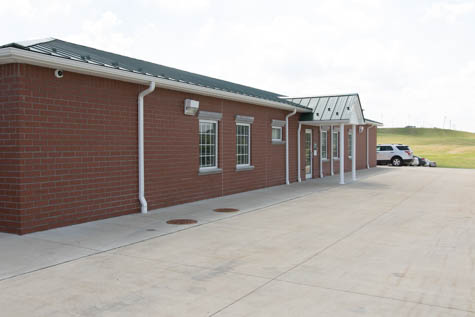
Crosswinds Center

About Crosswinds Center
Adults 18 and older, men and women, can get medically managed withdrawal care at Crosswinds Center. It’s a detox and residential program in Maxwelton, West Virginia.
Daily Psychiatric Detox Care
A psychiatric provider sees you every day at Crosswinds, and nurses staff the center around the clock. If withdrawal symptoms worsen overnight, nursing staff are already in the building.
Withdrawal care covers alcohol, opiates and benzodiazepines, a type of sedative. Staff can offer medication assisted treatment for dependence on alcohol or opiates, but only if the psychiatrist on staff recommends it.
The team also offers crisis stabilization for acute psychiatric symptoms, when a medication adjustment is needed in a protected setting.
Residential Detox in Maxwelton
The average stay at Crosswinds runs five to seven days and outpatient detox isn’t offered here.
Plus, there are 12 beds, with private rooms and bathhouses (the building stays unlocked). Admission is voluntary and smoking cessation products are offered once you’re admitted.
People aren’t admitted if they have psychosis or hallucinations, can’t consent to voluntary treatment, can’t keep themselves or others safe, or have a dementia diagnosis, an autism diagnosis or other medical instabilities.
Crosswinds accepts Medicare and West Virginia Medicaid, and a sliding fee scale or grant funding is available if you don’t have insurance.
| Levels of Care | Detox Service Setting | Programs | Payment Options | Medications Offered | |||
|---|---|---|---|---|---|---|---|
|
Inpatient and residential programs provide round-the-clock medical and emotional support as you live at the treatment facility. This level of care may be recommended if you have severe addictions or mental health conditions since it removes outside distractions and allows you to focus solely on therapy. |
In outpatient therapy, you’ll attend therapy sessions several times each week while living at home. This is ideal if you have a strong support system and a lower risk of relapse. Outpatient treatment offers flexibility to maintain work, school or family obligations. |
Crosswinds Center treats substance use disorders alongside co-occurring mental health conditions through integrated psychiatric and medical oversight with structured therapeutic programming. |
|||||
|
Outpatient detox gives you access to medically supervised withdrawal services while still allowing you to live at home. You’ll attend a clinic for treatment and monitoring. This flexible option is suitable for those with mild to moderate withdrawal symptoms who have strong support systems. |
Medication assisted treatment covers alcohol and opiates, and it is offered only with a recommendation from the on-staff psychiatrist here. |
Crosswinds Center provides medically monitored inpatient detoxification services with 24/7 admissions for individuals withdrawing from alcohol and other drugs in a structured crisis stabilization setting. |
|||||
|
Teen (13 - 18)
|
Adult programs address the substance use and life challenges specific to adults. Therapists can deliver sessions in individual, group and family settings. Services often include job support and life skills training in a structured environment.
|
Senior programs address the unique needs of older adults like chronic pain, grief and isolation. Programs include peer support and medical oversight for age related health concerns. The goal is to improve quality of life and promote sober aging.
|
Women's programs offer a safe and supportive space to focus on gender specific issues such as trauma, family roles and mental health conditions. Therapists tailor the sessions to address women's needs and foster empowerment in a healing and nurturing environment.
|
Men's programs address substance use while also considering the social pressures, family roles and mental health concerns that are specific to men. You’ll learn healthy coping mechanisms as you build emotional resilience and develop communication skills.
|
Staff handle alcohol withdrawal at this center, and those providers also manage mental health crises in addition to that work. |
Benzodiazepine withdrawal and opiate withdrawal are both handled at this center, and alcohol withdrawal is handled in addition as well. |
Crosswinds Center includes therapeutic groups focused on coping skills, relapse prevention, and recovery support as part of individualized treatment planning for crisis stabilization clients. |
|
Self Pay
|
Medicaid
|
Medicare
|
State Family Services
|
Private Insurance
|
Military Insurance
|
Sliding Scale Payment
|
Payment Assistance
|
|
Methadone
|
Levels of Care
Inpatient and residential programs provide round-the-clock medical and emotional support as you live at the treatment facility. This level of care may be recommended if you have severe addictions or mental health conditions since it removes outside distractions and allows you to focus solely on therapy.
In outpatient therapy, you’ll attend therapy sessions several times each week while living at home. This is ideal if you have a strong support system and a lower risk of relapse. Outpatient treatment offers flexibility to maintain work, school or family obligations.
Crosswinds Center treats substance use disorders alongside co-occurring mental health conditions through integrated psychiatric and medical oversight with structured therapeutic programming.
Detox Service Setting
Outpatient detox gives you access to medically supervised withdrawal services while still allowing you to live at home. You’ll attend a clinic for treatment and monitoring. This flexible option is suitable for those with mild to moderate withdrawal symptoms who have strong support systems.
Medication assisted treatment covers alcohol and opiates, and it is offered only with a recommendation from the on-staff psychiatrist here.
Crosswinds Center provides medically monitored inpatient detoxification services with 24/7 admissions for individuals withdrawing from alcohol and other drugs in a structured crisis stabilization setting.
Programs
Staff handle alcohol withdrawal at this center, and those providers also manage mental health crises in addition to that work.
Benzodiazepine withdrawal and opiate withdrawal are both handled at this center, and alcohol withdrawal is handled in addition as well.
Crosswinds Center includes therapeutic groups focused on coping skills, relapse prevention, and recovery support as part of individualized treatment planning for crisis stabilization clients.
Medications Offered
Amenities
Accreditations

Accepted Insurance









Contact


Natalie is a recent Purdue University graduate where she studied Psychology and Creative Writing. She’s a fierce advocate for others and is committed to always showing up with a compassionate heart. She enjoys writing poetry, dancing, and playing piano in her free time.
Detox.com regularly reviews this listing for accuracy but changes may occur between updates. For the most up-to-date information, please contact Crosswinds Center.
Nearby Detox Centers
Search by West Virginia Cities
FAQs
What kind of detox and mental health care does Crosswinds Center offer?
Staff handle withdrawal from alcohol, benzodiazepines and opiates, and they manage mental health crises. Crisis stabilization is available for acute psychiatric symptoms, including a medication adjustment in a protective setting; co-occurring disorders care treats mental health and substance use together. Medication assisted treatment is available for alcohol and opiates when the on-staff psychiatrist recommends it.
How can you pay for care at Crosswinds Center?
The operator bills Medicaid, Medicare and most major insurance plans, so using insurance for detox is an option here. West Virginia Medicaid is taken at both locations. If you’re uninsured, a sliding fee scale and grant funding are available.
Is admission voluntary, and what is the setting like?
Yes. Admission is entirely voluntary, and the center’s unlocked. There are 12 beds, private rooms and bathhouses, and nursing care is staffed around the clock. The center offers detoxification and crisis stabilization at all hours.
Who can be admitted, and who is turned away?
You need to be an adult, 18 or older, and the center serves both men and women. The average stay runs five to seven days. People with psychosis, people who cannot consent to voluntary treatment, people who cannot keep themselves or others safe, and people diagnosed with dementia, autism or an unstable medical condition aren’t admitted.
Which clinicians see admitted patients each day?
A psychiatric medical provider sees and treats admitted patients every day. The center offers detoxification and crisis stabilization around the clock, so that daily visit sits inside care that does not stop overnight.