801-436-6978

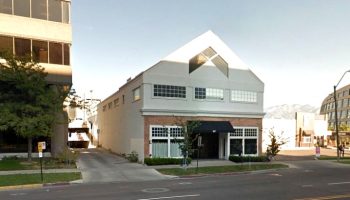
Salt Lake City’s detox and addiction treatment landscape relies heavily on a mix of private healthcare systems and essential county-funded safety nets. Regulated by the Utah Department of Health and Human Services (DHHS) and administered locally by Salt Lake County Behavioral Health Services, the system aims to provide a comprehensive continuum of care.
Recently, the city has seen a strong push toward harm reduction and Medication-Assisted Treatment (MAT) to combat a drug supply increasingly dominated by methamphetamine and fentanyl.
For those navigating the local system without private insurance, understanding county resources is critical. Salt Lake County Behavioral Health Services manages publicly funded treatment, contracting with major community providers like Valley Behavioral Health and Odyssey House. Because the demand for these state-funded beds is exceptionally high, it often results in waitlists.
Accessibility across the Salt Lake Valley is largely facilitated by the UTA Trax light rail and bus systems, which are vital for residents traveling to major treatment hubs like the University of Utah medical campus or downtown clinics.
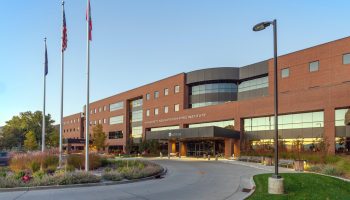
Recent community initiatives are actively attempting to bridge the gap between crisis and residential care. For example, the Huntsman Mental Health Institute (HMHI) and University of Utah Health run specialized Bridge Clinics that offer low-barrier, immediate stabilization and MAT initiation for individuals awaiting formal placement.
Additionally, local harm reduction projects are expanding 24/7 access to life-saving supplies, acknowledging that keeping individuals safe and alive through an overdose is the crucial first step toward recovery and long-term recovery.