

 800-262-4205
Valley Hope of Omaha

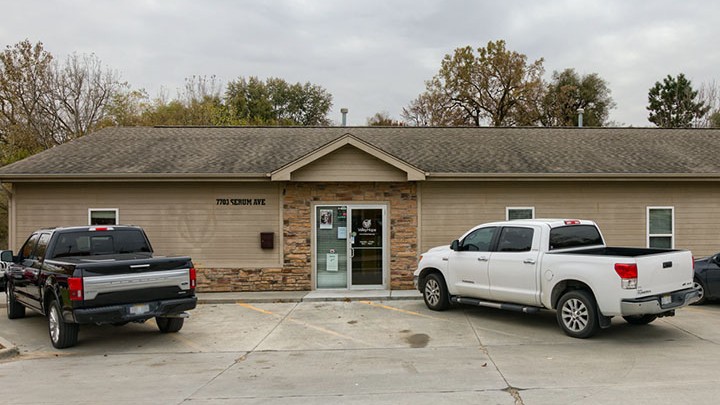
About Valley Hope of Omaha
Valley Hope of Omaha in Omaha, Nebraska is a nonprofit that specializes in high-quality, accredited addiction treatment for clients of all ages, including those with dual diagnoses and co-occurring mental and behavioral health conditions. Treatment is provided on an outpatient basis and is an ideal stepping stone for individuals transitioning from inpatient care.
Outpatient Drug Rehab Services Close to The Iowa Border
Outpatient treatment here blends various therapeutic techniques, along with 12-step teachings and innovative clinical methods. Depending on your specific situation and needs, you may receive support either through the partial hospitalization program (PHP), or the intensive outpatient program (IOP).
Care is administered by Master’s level, licensed clinicians, using methods like Cognitive Behavioral Therapy (CBT), alongside addiction education sessions covering things like relapse prevention.
Family care is also provided, while daytime and evening IOP sessions are available to make it easier for you to fit in treatment alongside work or study commitments. Specialized veteran treatment services are also available, while monthly alumni recovery groups take place on-site for continued support and opportunities for you to connect with peers and build on the foundations of your support network.
PHP for Addiction Treatment in Southeastern Omaha
PHP can provide you with highly structured support, Monday through to Friday in the daytime or evening. The program takes place over four weeks, for 20 sessions in total. Lunch or dinner are included depending on which slots you show up for.
In this program, you can expect to engage in medication-assisted treatment (MAT), alongside group therapy and psychoeducation sessions. Mindfulness and practice processing sessions also feature. You’ll also be educated on various topics to support your recovery, like how to build a support system, 12-step education, the biological aspect of addiction and its effect on your boy and brain, coping skills, and much more.
Other tools and holistic practices to support you throughout the program include mindful expression, gratitude practices, writing, and creating your own personalized relapse prevention plan.
| Levels of Care | Detox Service Setting | Programs | Payment Options | ||||
|---|---|---|---|---|---|---|---|
|
Inpatient and residential programs provide round-the-clock medical and emotional support as you live at the treatment facility. This level of care may be recommended if you have severe addictions or mental health conditions since it removes outside distractions and allows you to focus solely on therapy. |
In outpatient therapy, you’ll attend therapy sessions several times each week while living at home. This is ideal if you have a strong support system and a lower risk of relapse. Outpatient treatment offers flexibility to maintain work, school or family obligations. |
Aftercare programs provide ongoing support after you complete a rehab program. They may include several components to help you maintain sobriety including therapy, community support groups and relapse prevention strategies. This gives you a network of resources as you reintegrate into your daily life. |
Dual diagnosis programs address substance use disorders and co-occurring mental health conditions simultaneously. This integrated approach to care improves the likelihood of long term recovery and stability by addressing the root causes of addiction. |
||||
|
Inpatient detox occurs in a dedicated treatment facility. You’ll live there around the clock and receive intensive medical support and supervision to help manage your withdrawal symptoms. It is suitable for individuals with moderate to severe addictions as it ensures a stable detox environment. |
Outpatient detox gives you access to medically supervised withdrawal services while still allowing you to live at home. You’ll attend a clinic for treatment and monitoring. This flexible option is suitable for those with mild to moderate withdrawal symptoms who have strong support systems. |
Medication assisted treatment combines medication and counseling to manage withdrawal and reduce cravings for opioid and alcohol addiction. Medications may include methadone, buprenorphine or naltrexone. MAT is tailored to your needs so you can actively participate in your treatment journey. |
|||||
|
Adult programs address the substance use and life challenges specific to adults. Therapists can deliver sessions in individual, group and family settings. Services often include job support and life skills training in a structured environment.
|
Alcohol detox programs offer medical support to help individuals withdraw safely from alcohol. Your care team may use medications to ease your symptoms and provide medical monitoring to address complications.
|
Cognitive behavioral therapy focuses on changing harmful thought patterns and behaviors associated with addiction. You’ll learn healthier coping mechanisms by identifying and replacing negative thoughts. This improves your emotional resilience and decreases your relapse potential.
|
Drug detox programs support individuals who are withdrawing from addictive substances like cocaine and heroin. Medical support helps you manage symptoms in a controlled and safe environment so you can achieve initial sobriety.
|
Men's programs address substance use while also considering the social pressures, family roles and mental health concerns that are specific to men. You’ll learn healthy coping mechanisms as you build emotional resilience and develop communication skills.
|
Opioid detox uses medications to ease severe withdrawal symptoms. It also includes medical supervision to help you manage potential complications. These services allow you to stabilize and begin a recovery plan.
|
Women's programs offer a safe and supportive space to focus on gender specific issues such as trauma, family roles and mental health conditions. Therapists tailor the sessions to address women's needs and foster empowerment in a healing and nurturing environment.
|
Young adult programs are designed for individuals who are transitioning into adulthood. Topics of discussion typically include identity, independence and peer relationships. Providers may also offer life skills training and career support.
|
|
Military Insurance
|
Private Insurance
|
Self Pay
|
Financing Plans
|
Levels of Care
Inpatient and residential programs provide round-the-clock medical and emotional support as you live at the treatment facility. This level of care may be recommended if you have severe addictions or mental health conditions since it removes outside distractions and allows you to focus solely on therapy.
In outpatient therapy, you’ll attend therapy sessions several times each week while living at home. This is ideal if you have a strong support system and a lower risk of relapse. Outpatient treatment offers flexibility to maintain work, school or family obligations.
Aftercare programs provide ongoing support after you complete a rehab program. They may include several components to help you maintain sobriety including therapy, community support groups and relapse prevention strategies. This gives you a network of resources as you reintegrate into your daily life.
Dual diagnosis programs address substance use disorders and co-occurring mental health conditions simultaneously. This integrated approach to care improves the likelihood of long term recovery and stability by addressing the root causes of addiction.
Detox Service Setting
Inpatient detox occurs in a dedicated treatment facility. You’ll live there around the clock and receive intensive medical support and supervision to help manage your withdrawal symptoms. It is suitable for individuals with moderate to severe addictions as it ensures a stable detox environment.
Outpatient detox gives you access to medically supervised withdrawal services while still allowing you to live at home. You’ll attend a clinic for treatment and monitoring. This flexible option is suitable for those with mild to moderate withdrawal symptoms who have strong support systems.
Medication assisted treatment combines medication and counseling to manage withdrawal and reduce cravings for opioid and alcohol addiction. Medications may include methadone, buprenorphine or naltrexone. MAT is tailored to your needs so you can actively participate in your treatment journey.
Programs
Amenities
Accreditations


Accepted Insurance
Contact



Lauren wears many hats, and works as a holistic deep tissue massage therapist, content strategist, and copywriter. She’s been writing copy and dreaming up content for a number of brands for almost 10 years, having worked with a mixture of B2B and B2C brand. Some of her more notable clients include adidas, Gucci, Pepsi, and Hotels.com. A skilled editor and copywriter, she also enjoys planning content for social media and brand marketing campaigns.

Courtney Myers writes and edits professionally from her home in North Carolina. She holds an MS in Technical Communication from N.C. State University and has worked in proposal management, marketing, and online content creation. She specializes in creating resources related to behavioral health and addiction recovery.
Detox.com regularly reviews this listing for accuracy but changes may occur between updates. For the most up-to-date information, please contact Valley Hope of Omaha.
Nearby Detox Centers


Search by Nebraska Cities
FAQs
What detox programs does Valley Hope of Omaha offer for alcohol and drug addiction?
Valley Hope of Omaha provides both inpatient and outpatient detox services, including medication-assisted treatment (MAT) for substance use disorders. The facility offers individualized treatment that may include medical services, individual and group therapy, and family education as part of a full continuum of care.
Does Valley Hope of Omaha provide 24-hour medical detox for opioid and alcohol withdrawal?
Valley Hope of Omaha offers inpatient residential detox where patients live on-site and participate in daily programming supervised by a multidisciplinary treatment team. The center provides evidence-based medical services designed to manage withdrawal safely within a structured residential environment.
What happens after detox at Valley Hope of Omaha in Nebraska?
Valley Hope of Omaha includes continuing care and relapse prevention planning as key components of treatment. After detox, the facility offers residential treatment, outpatient programs, and aftercare services to support recovery, with telehealth options available for certain outpatient programs.
Does Valley Hope of Omaha accept Medicaid, Medicare, or private insurance for detox?
Valley Hope of Omaha accepts Medicaid, Medicare, and most major private insurance plans. For uninsured patients, the facility offers self-pay options and financing plans. The admissions team can help verify insurance benefits and explain costs before admission.
What type of detox setting does Valley Hope of Omaha provide in Omaha?
Valley Hope of Omaha operates as a residential inpatient facility with a structured environment designed to support recovery. The center also offers outpatient detox for those who need structured support but can continue living at home.
Is Valley Hope of Omaha accredited and licensed for addiction treatment services?
Valley Hope of Omaha is accredited by The Joint Commission and meets applicable state and federal licensing and regulatory requirements. This accreditation demonstrates the facility’s commitment to performance standards and safe, evidence-based addiction treatment.