

 800-262-4205
Virginia Hospital Center – Behavioral Health Outpatient
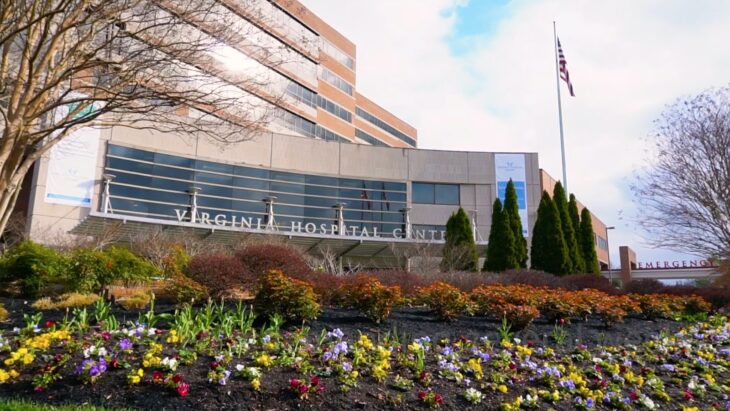

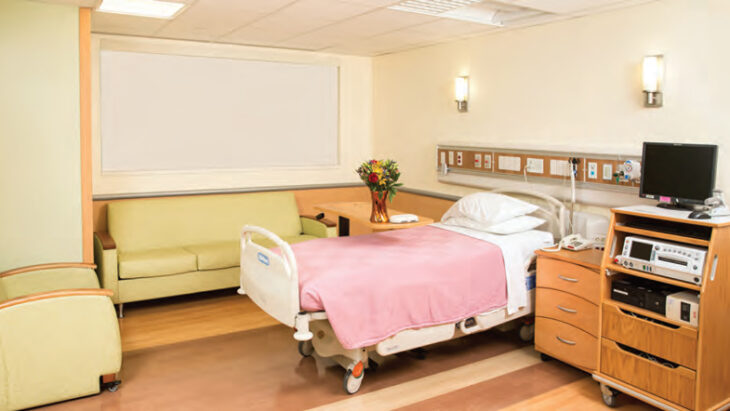

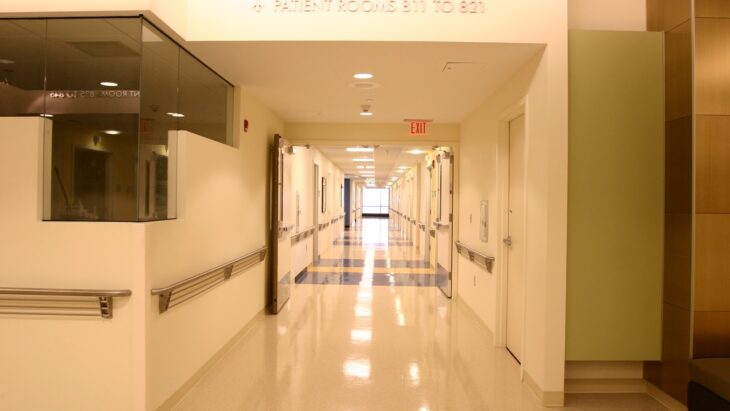


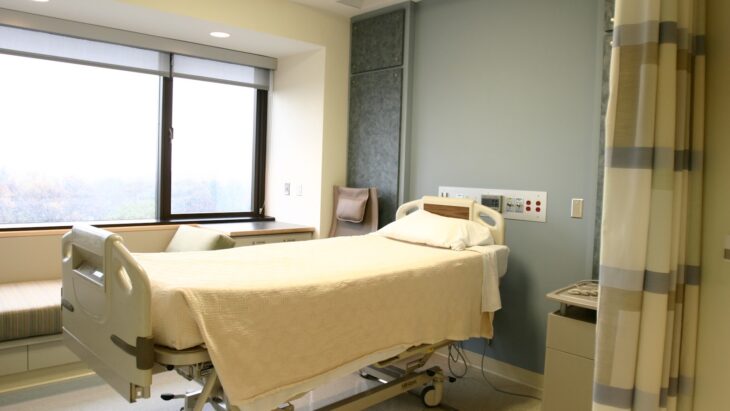
About Virginia Hospital Center – Behavioral Health Outpatient
VHC Health – Virginia Hospital Center in Arlington, Virginia, offers an inpatient detoxification and rehabilitation program. To ensure your safety and comfort, your addiction treatment usually starts with a detox procedure under medical supervision. You will be referred to suitable follow up treatments after detox, which could include intensive outpatient care, residential treatment at another facility or an inpatient program.
If you decide to enroll in their rehabilitation program, a psychosocial assessment will be performed. An educational plan that is tailored to the four primary treatment goals will be developed with the help of this evaluation. These goals consist of relapse prevention, self diagnosis, education and community resources.
Your medical and educational requirements, your drive for recovery and the advice of the treatment team and referral sources will all affect how long you stay. Your program will consist of lectures and specialized education groups. Along with learning about the philosophies of Narcotics Anonymous and Alcoholics Anonymous, you will work with the nursing and counseling staff to better understand your condition.
The outpatient program encourages friends and family to attend free sessions to help with recovery. Three hour intensive outpatient sessions are held three times a week. They focus on group dynamics to help with recovery and reinforce learning. Relapse prevention and recovery skills are the main topics of weekly structured sessions for ongoing care. These emphasize the sober living skills required for sustained sobriety.
Support groups provide a forum for talking about stressors in your life and how they affect your road to recovery. Additional groups are available to accommodate changing community needs, and schedules are flexible.
| Levels of Care | Detox Service Setting | Programs | Payment Options |
|---|---|---|---|
|
Intensive Outpatient
|
In outpatient therapy, you’ll attend therapy sessions several times each week while living at home. This is ideal if you have a strong support system and a lower risk of relapse. Outpatient treatment offers flexibility to maintain work, school or family obligations. |
Partial hospitalization programs provide comprehensive treatment in a structured setting during the day but allow you to return home at night. These programs offer a balance of inpatient and outpatient rehab and provide intensive support without full time residency. |
Inpatient and residential programs provide round-the-clock medical and emotional support as you live at the treatment facility. This level of care may be recommended if you have severe addictions or mental health conditions since it removes outside distractions and allows you to focus solely on therapy. |
|
Outpatient detox gives you access to medically supervised withdrawal services while still allowing you to live at home. You’ll attend a clinic for treatment and monitoring. This flexible option is suitable for those with mild to moderate withdrawal symptoms who have strong support systems. |
|||
|
Adult programs address the substance use and life challenges specific to adults. Therapists can deliver sessions in individual, group and family settings. Services often include job support and life skills training in a structured environment. |
Cognitive behavioral therapy focuses on changing harmful thought patterns and behaviors associated with addiction. You’ll learn healthier coping mechanisms by identifying and replacing negative thoughts. This improves your emotional resilience and decreases your relapse potential. |
||
|
Self Pay
|
Medicaid
|
Medicare
|
Private Insurance
|
Levels of Care
In outpatient therapy, you’ll attend therapy sessions several times each week while living at home. This is ideal if you have a strong support system and a lower risk of relapse. Outpatient treatment offers flexibility to maintain work, school or family obligations.
Partial hospitalization programs provide comprehensive treatment in a structured setting during the day but allow you to return home at night. These programs offer a balance of inpatient and outpatient rehab and provide intensive support without full time residency.
Inpatient and residential programs provide round-the-clock medical and emotional support as you live at the treatment facility. This level of care may be recommended if you have severe addictions or mental health conditions since it removes outside distractions and allows you to focus solely on therapy.
Detox Service Setting
Outpatient detox gives you access to medically supervised withdrawal services while still allowing you to live at home. You’ll attend a clinic for treatment and monitoring. This flexible option is suitable for those with mild to moderate withdrawal symptoms who have strong support systems.
Programs
Adult programs address the substance use and life challenges specific to adults. Therapists can deliver sessions in individual, group and family settings. Services often include job support and life skills training in a structured environment.
Cognitive behavioral therapy focuses on changing harmful thought patterns and behaviors associated with addiction. You’ll learn healthier coping mechanisms by identifying and replacing negative thoughts. This improves your emotional resilience and decreases your relapse potential.
Accreditations


Accepted Insurance
Contact




Kerry Nenn is a full-time freelance writer and prize-winning author. She contributes regularly to addiction-recovery sites, international journal publications, and Christian ministries. Her published works include 10 books and myriad articles. Her work has received recognition both locally and nationally.
Detox.com regularly reviews this listing for accuracy but changes may occur between updates. For the most up-to-date information, please contact Virginia Hospital Center – Behavioral Health Outpatient.
Nearby Detox Centers



Search by Virginia Cities
FAQs
Does Virginia Hospital Center offer outpatient detox for alcohol and drug use?
Yes, Virginia Hospital Center’s Behavioral Health Outpatient location in Arlington provides an Intensive Outpatient Program (IOP) for substance abuse that treats individuals with alcohol and drug problems. The IOP is designed for those who need more intensive treatment than traditional counseling but do not require inpatient hospitalization.
How often does the IOP meet at Virginia Hospital Center in Arlington?
The Intensive Outpatient Program at Virginia Hospital Center meets three evenings per week. This schedule allows participants to continue working or attending school while receiving structured treatment for substance use disorders.
What does treatment include in Virginia Hospital Center's IOP program?
The IOP includes group therapy, individual counseling, family education and support, and relapse prevention. Group therapy sessions focus on coping skills, preventing relapse, and building a recovery support network. Family involvement is emphasized as an important part of the program.
What insurance does Virginia Hospital Center Behavioral Health accept?
Virginia Hospital Center Behavioral Health Outpatient accepts Medicaid, Medicare, private insurance, and self-pay options. Individuals can speak with the facility about their specific coverage and payment arrangements when contacting the location in Arlington.
Does Virginia Hospital Center treat co-occurring mental health conditions with substance use?
Yes, Virginia Hospital Center treats substance use disorders alongside co-occurring mental health conditions such as depression and anxiety. The facility’s behavioral health services address both conditions as part of integrated, structured treatment programming.